
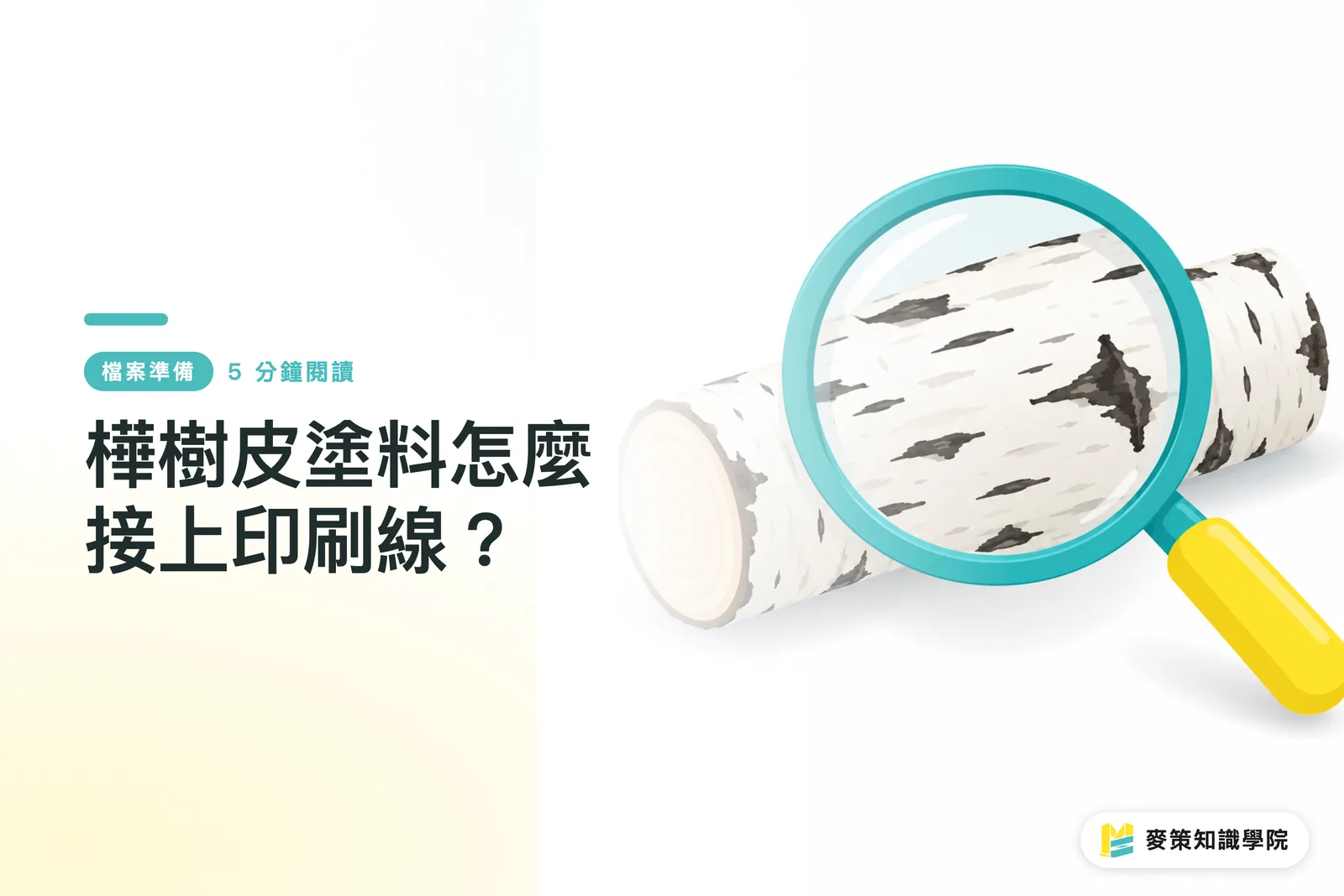
What Exactly Do Birch Bark Coatings Change?
Birch bark coatings change the source of the packaging material and the coating options, but they do not automatically solve processing problems for printers. Innomost, the materials company behind this birch bark material, has developed a bio-based packaging barrier coating from birch bark waste. Packaging Insights, a packaging-industry media outlet, covered it in Birch Bark Waste Turned into a Bio-Based Packaging Barrier Coating, putting this new option on the materials list for printing and packaging
A barrier coating is a functional layer applied to paper or film to reduce the passage of moisture, grease, or gases. What it can actually block depends on the formulation, substrate, and test results
I would list it as a 'candidate option' for now, not label it directly as 'a replacement for extrusion coating'. What can be confirmed at this point is the development direction of birch bark waste and bio-based coatings. Public information has not yet specified barrier performance, coating weight, drying conditions, food-contact qualification, or cost comparisons. Those details need to be requested from the supplier one by one. Don't rush. Check the specifications first
Why Can't Printers Look Only at the Material Story?
Printers cannot look only at the material story, because changing a coating means rechecking the paper surface, ink adhesion, drying, and post-processing conditions. A coating that forms a film on a sample does not mean that large solid areas, fine text, and reverse-out areas will hold up on press. That is often where the printer pays for the lesson
In my view, at least three things need to be clear before samples are sent:
・Print compatibility: Which printing methods and inks are supported? Could the surface affect ink transfer, drying, or registration assessment? One blank white sheet is not enough to draw a conclusion
・Pretreatment: Do the paper stock, coating, and printing process require adjustments to the primer, drying settings, or other surface treatments? Existing parameters cannot simply be copied over
・Post-processing: Can the birch bark coating fit into existing extrusion coating, lamination, die-cutting, and carton-gluing workflows? Costs need to include material, waste, line changeover, inspection, and rework
If any of the three sets of information is incomplete, the quote can only be treated as a trial job for now. A mass-production unit price cannot be locked in. If a brand client compares only material unit prices, downstream waste is easy to miss, and the printer ends up paying for the material lesson
What Should Be Changed in the Artwork First?
The first thing to fix in the artwork is the material handoff requirements, not the colors. Prepress must put the substrate, coating, printing method, and post-processing into the design brief (project specification sheet), so the printer knows which results have not yet been confirmed by sampling
・Spell out the material fields: Do not enter only 'eco-friendly paper'. Specify the paper substrate, birch bark bio-based coating, planned printing method, and whether extrusion coating or lamination will remain
・Flag layout risks in advance: Large solid areas, fine lines, reverse-out text, barcodes, fold lines, and carton-gluing positions should all go on the same sample review checklist
・Test color and surface separately: Screen color cannot replace a solid-ink proof. Surface gloss, rub resistance, creases, and adhesion should be checked together after processing
At the final-artwork stage, the mistake I see most often is changing the material only after the file is fully built, without leaving a place for color swatches, batch IDs, or test markers. Based on the public information available now, the processing conditions for birch bark coatings are not documented well enough to apply directly to a layout. When handing over files, writing 'to be confirmed' is more useful than adding final_final_safe to the filename
How Can Small and Mid-Sized Printers Run a Small-Batch Sample?
Small and mid-sized printers should treat a new coating as a small-scale process-validation project. Start with Mai Strategy's three-gate print-submission check, then decide whether to move into formal quoting and mass production. Only by using the same layout and the same processing sequence can you see the material difference
・1. Clarify the material: Obtain the applicable substrates, what the coating is designed to block, the printing method, limits on pretreatment and post-processing, and the supplier's test data. If any item is missing, mark it as to be confirmed
・2. Compare the layout: Use the same file for the existing extrusion-coating or lamination option and the birch bark coating option. Keep the solid areas, fine text, reverse-out elements, fold lines, and bonding positions
・3. Review the finished product through the full workflow: After printing, check drying and adhesion. Then inspect appearance and performance after extrusion coating, lamination, die-cutting, and carton gluing. Estimate the cost together with waste, line changeover, inspection, and rework
Small samples first. For mid- to high-end custom projects, first confirm the paper stock and processing conditions with MINDS. If you need to turn the material choice into an actionable specification, work with the Mai Strategy Knowledge Academy consulting team to organize it
Who Should Try This Material First?
The best first testers for birch bark coatings are brands and printers willing to run small-batch samples while validating the design and post-processing at the same time. Projects that only want a sustainability label but are unwilling to change their acceptance criteria should not be taken on yet
The Innomost example adds a plant-based material route, but it does not answer questions about barrier performance, cost, or process compatibility. It belongs on the list of options to test. It still cannot be promised as a direct replacement for existing extrusion coating or lamination
Advantages:
・Adds a bio-based material option for paper-based packaging
・Puts material and processing into the same brief
Disadvantages:
・Public processing and barrier conditions still need to be confirmed with the supplier
・Without comparison samples, there is no basis for approving a material change
My approach is deliberately conservative: put it in the 'candidate' column first, and move it to the 'approved' column only after it passes the three gates. Waiting until the delivery countdown to ask whether it can be carton-glued is the kind of problem a printer can least easily rescue

Key Takeaways
・Turning birch bark waste into a coating adds a material option first. It does not mean mass-production validation is complete
・Designers must put the substrate, coating, solid colors, and post-processing conditions into the brief when handing over artwork
・Cost comparisons must include extrusion coating, lamination, waste, line changeover, inspection, and rework
・Mai Strategy's three-gate print-submission check uses same-file comparison samples. Only then can you seriously discuss changing materials
Further Thoughts
The printing and manufacturing side can make material-trial fields a fixed part of the quoting and sampling workflow. The design side can hand over the final artwork file, color test area, and processing conditions together. AI adoption and SaaS (cloud software services) are better suited to organizing supplier specifications, sample photos, printing parameters, anomalies, and approval status into a traceable job record. AI can flag missing items and compare versions. It cannot let anyone claim that a birch bark coating already meets recycling, food-contact, or mass-production requirements. Here is the next concrete step: record the barrier target, suitable substrate, print compatibility, pretreatment, post-processing, cost, and recycling requirements in separate fields. If any field is incomplete, make a sample first
Further Reading
FAQ
- Does a birch bark coating mean the packaging is compostable?
- No. bio-based only means that the raw material comes from biomass. Whether the packaging is compostable, recyclable, or suitable for food contact depends on the supplier's specifications, test results, and applicable requirements
- What should designers check before handing over artwork?
- Put the substrate, coating name, printing method, solid colors, fine text, reverse-out elements, fold lines, and extrusion-coating or lamination conditions into the design brief, and require same-file comparison samples
- Can a birch bark coating directly replace existing extrusion coating?
- Not without verification. First check what the coating is designed to block, its print compatibility, pretreatment, post-processing, and cost, then use a complete finished-product sample to decide whether to change materials
- How should small and mid-sized printers introduce bio-based coatings?
- Use Mai Strategy's three-gate print-submission check. First clarify the material specifications, then make same-file comparison samples, and finally inspect printing, extrusion coating or lamination, die-cutting, and carton gluing together
Related articles



The Print × AI weekly
The print and AI know-how designers, brands and enterprises can use before they commit — one email, every week
MINDS Free Tools
Imposition calculator and preflight file check — free prepress tools, right in your browser.
MINDS Group
Need actual printing or gifting services?
From premium printing to online ordering and festive gifts — the MINDS Group sister brands take it from here.