
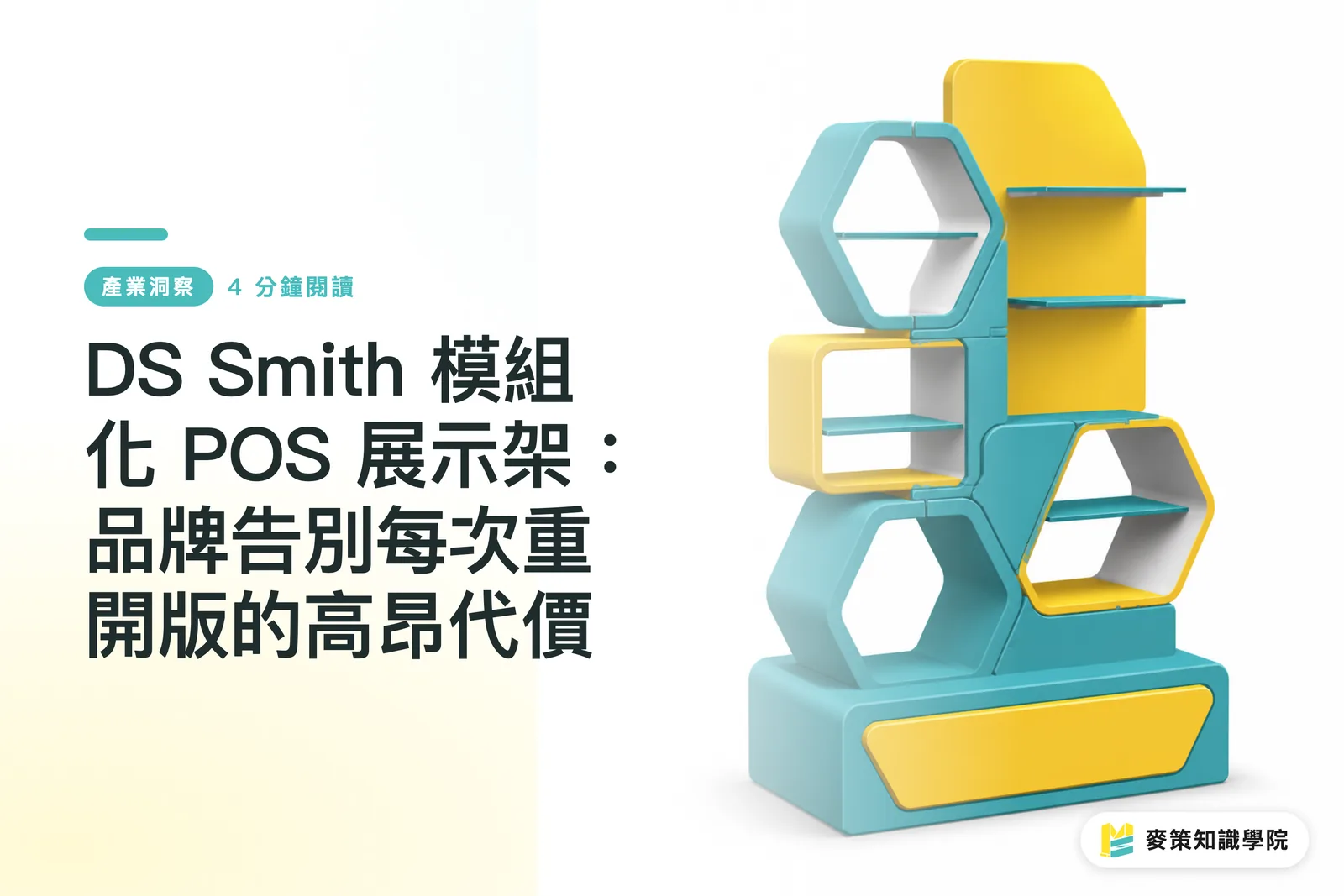
Why Are Your POS Displays Always So Expensive and Slow to Produce?
Lately, several retail brand clients have come to me complaining that in-store marketing cycles are getting fragmented into shorter and shorter windows
To fit the display constraints of different retail channels, POS displays have turned into costly, single-use assets
Every time a new campaign rolls around, you have to redesign the structure, make new dies, and sign off on fresh physical samples
This drags out lead times, and with macroeconomic pressures like projected pulp capacity cutbacks in North America, material waste is quietly eating away at margins
The real problem is that most brands contract out displays as one-off jobs, instead of treating them as a reusable asset system
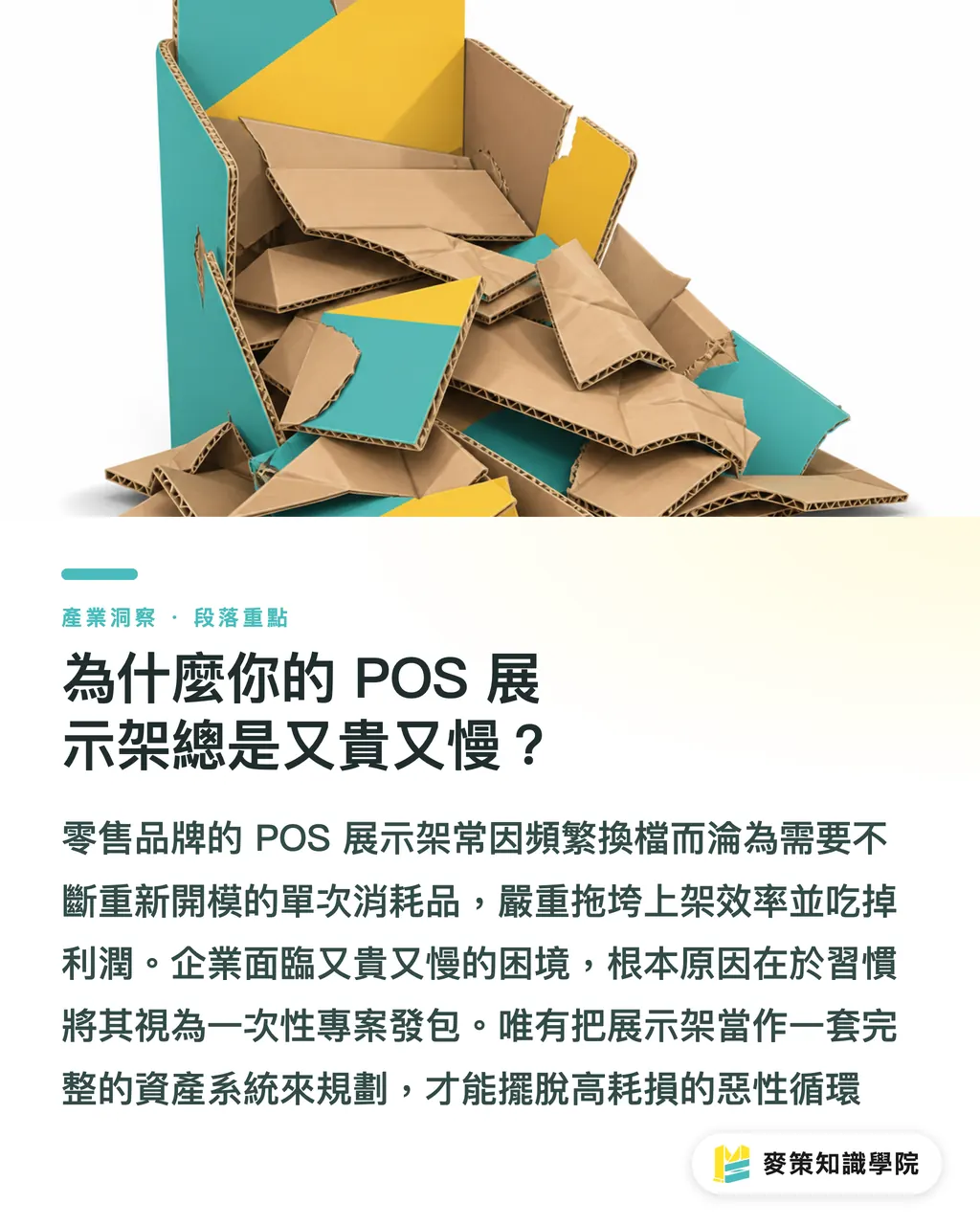
How DS Smith Solved This Headache for Cloetta
Confectionery brand Cloetta was facing this exact multi-channel display headache
DS Smith didn't just hand them cheaper cardboard. Instead, they rebuilt the foundation by introducing modular design, breaking a complex product into standardized, interchangeable parts
DS Smith focused on a few core moves:
・Fully standardizing the base and load-bearing structure so dimensions never change between campaigns
・Separating the main graphic communication area into quick-swap panels and inserts
・Unifying the interlocking tab design so retail staff can assemble everything quickly using the same logic
This proves what I often tell print shop owners: break designs into standard modules, and downstream printing and finishing become painless
Printing only the piece that needs changing cuts both plate-making costs and press setup times by a wide margin compared to starting from scratch
How Smaller Brands Can Put Modular Display Design into Practice
To match Cloetta's flexibility, you need to lock in your specs early in the design phase
Here is the structural framework we often bring into our consulting sessions:
1. Review all retail channel dimensions and weight limits from the past year, finding the common denominator to define a standard base
2. Separate the fixed structural skeleton from the interchangeable visual skin. Mass-produce the former to lower unit costs, and print the latter on demand in small batches per campaign
3. Use shared tab-and-slot designs to reduce glue application and make teardown and recycling easier
4. Bring in an architectural review like the Mai Strategy Knowledge Academy consulting team to check module tolerances and load capacities via 3D simulations before sending files to print
What Are the Sustainability and Compliance Benefits of Modular Design?
Brands cannot just pay lip service to ESG anymore
When you modularize POS displays, the immediate result is a sharp drop in waste
Pros:
・Significantly lowers cardboard consumption and carbon footprint for individual campaigns
・Standardized structures pack flat for shipping, improving logistics efficiency
・Partial replacement design allows the main structure to be reused across campaigns
Cons:
・Higher upfront investment in structural design and testing time
・Standardization sometimes means sacrificing eccentric, highly unusual shapes
From my years observing production lines and client setups, this upfront investment pays off handsomely
Over the past few weeks, signals pointing from material swaps to structural redesign in packaging have grown stronger. If you don't want to get locked into single machines or closed production lines, building your own modular assets is the answer
For high-end or highly customized visual modules, hand them off to specialized printers like MINDS to handle specialty finishes, putting your budget where it counts
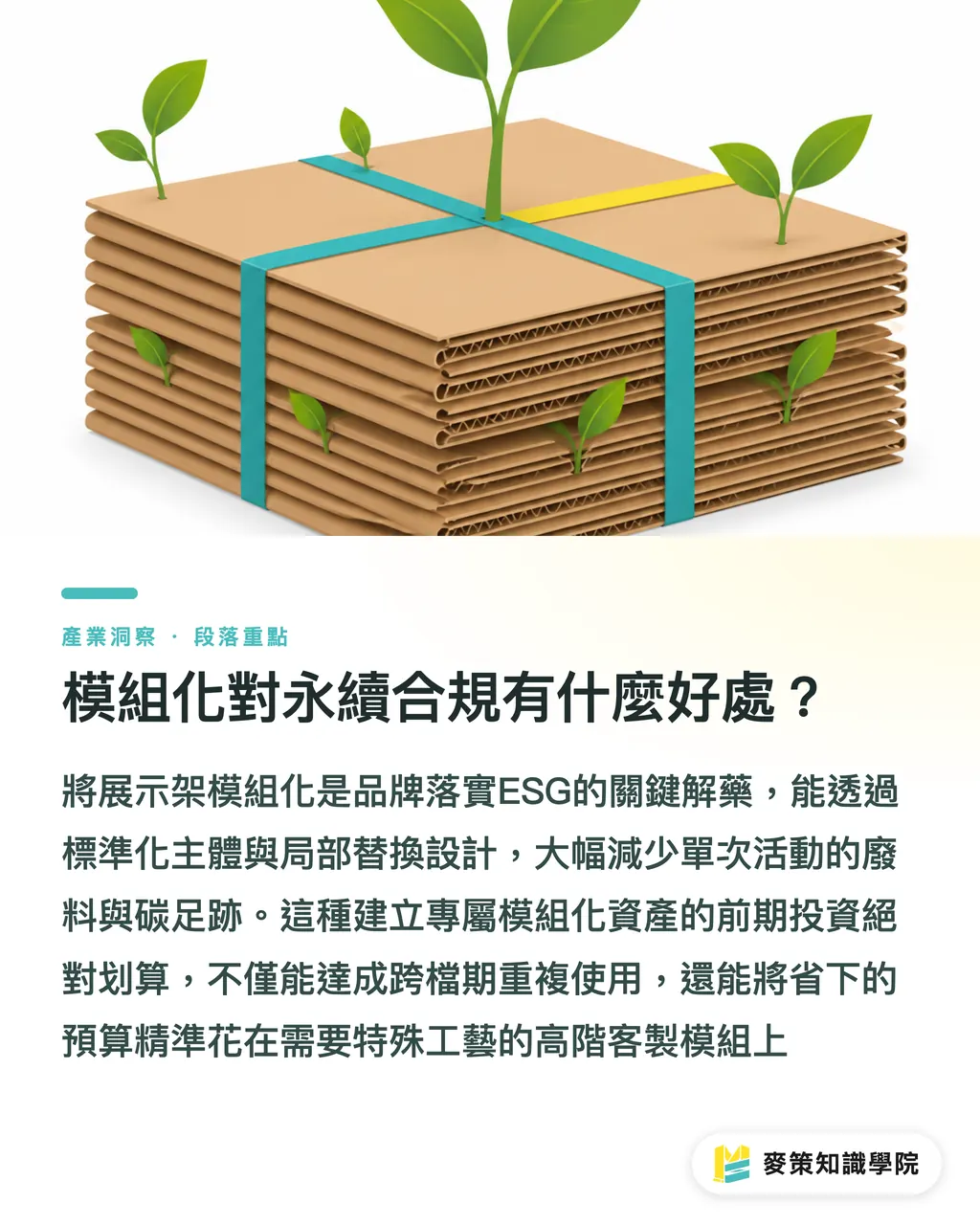
Key Takeaways
・Treat displays as reconfigurable assets, not single-use consumables
・Separate the structural frame from the visual skin right from design, reprinting only the graphics that need updating
・Modular design directly cuts shipping volume and paper waste, making it a great proof point for brand ESG messaging
・The earlier you lock in standard specs, the better you can dodge paper price swings and material shortages
Final Thoughts
Modular design does not kill creativity. It focuses your resources on the visual touchpoints that actually connect with consumers. For print shops, this means shifting from passive job-order manufacturing to providing structural solutions. For brands, this is an upgrade in supply chain management. Before kicking off your next marketing campaign, get design, procurement, and print consultants around the same table to set modular ground rules from day one
Further Reading
FAQ
- Is the upfront cost of modular design high?
- Initial design and testing costs run about 20% to 30% higher than traditional one-off tooling. But by the second campaign or during cross-channel changeovers, the money saved on new dies and rework usually recoups that investment
- Our product dimensions change frequently. Can we still use modular displays?
- Yes. Use standard outer shelves paired with custom corrugated inserts. Keep the outer frame unchanged and simply swap out the inner positioning inserts for odd-sized products, still saving the cost of rebuilding the main structure
- How well are modular displays accepted at retail?
- Extremely well. Thanks to standardized tabs and assembly logic, floor staff don't have to figure out a new manual every time, which cuts assembly errors and setup time dramatically
Related articles



The Print × AI weekly
The print and AI know-how designers, brands and enterprises can use before they commit — one email, every week
MINDS Free Tools
AI background removal, a LINE sticker maker, spine & imposition calculators — all free, right in your browser, no upload.
MINDS Group
Need actual printing or gifting services?
From premium printing to online ordering and festive gifts — the MINDS Group sister brands take it from here.