

Why Sustainability Is No Longer Just a Slogan in Client Pitch Decks
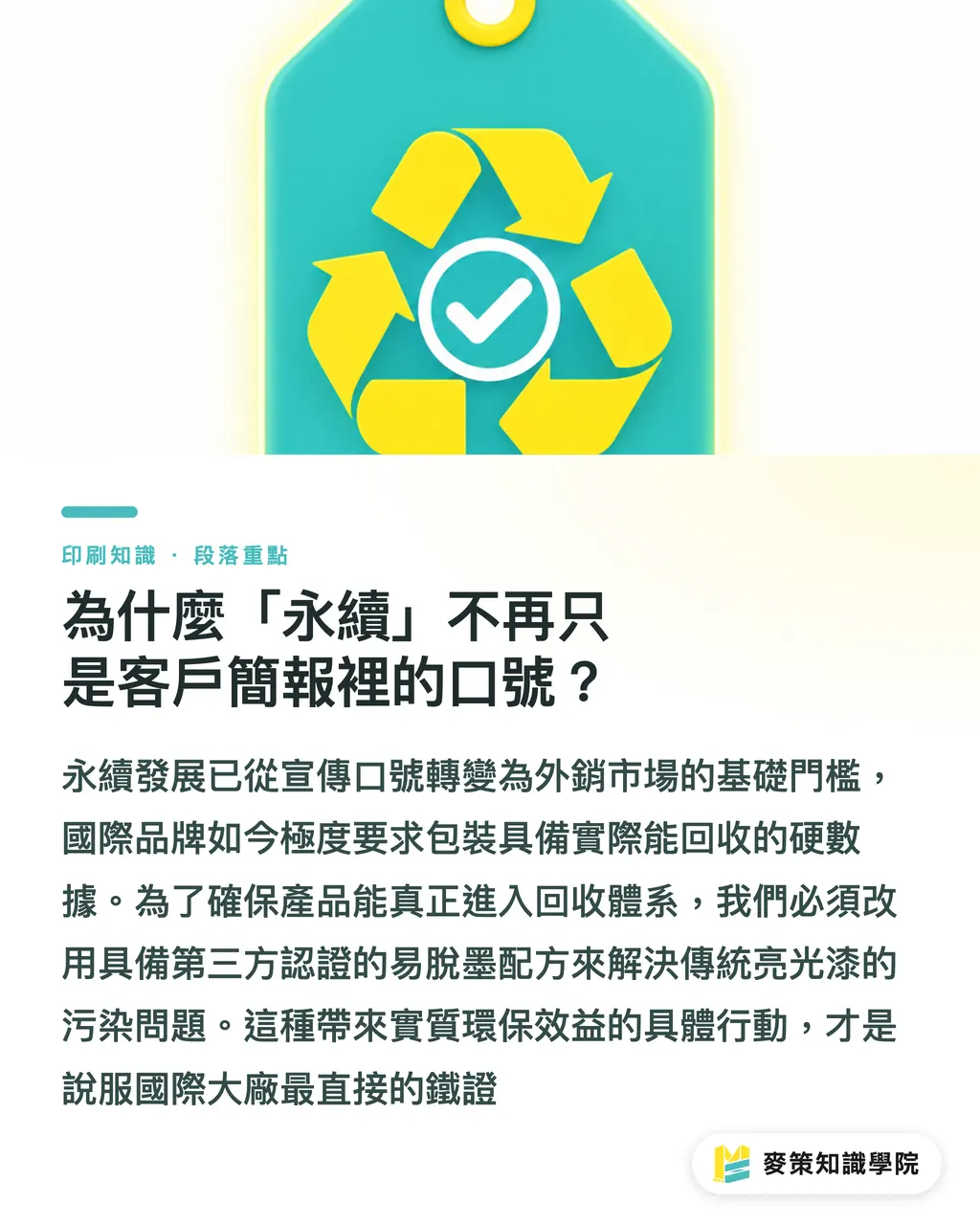
On several export packaging projects I worked on over the past few months, brand owners have taken a hard line. They want hard numbers and actual proof of real recyclability
In the past, slapping an eco-label on packaging was enough. But based on Flint Group's latest industry review, sustainability is now table stakes
When evaluating materials today, we have to pay strict attention to de-inkable primers and varnish systems
Many traditional varnishes turn into microplastics during recycling and repulping, contaminating the entire pulp vat. Switching to third-party certified, easily de-inked formulations directly determines whether the packaging can enter the recycling stream at all
Another concrete move on the supply side is switching to dual-cure UV LED inks
This cuts energy use significantly without hurting output, solving the headache of skyrocketing shop-floor electricity bills
More advanced plants have already made carbon footprint tracking a daily routine
You need to track ink consumption, setup waste, and single-press energy costs for every job ticket, printing these metrics right on daily production reports for clients. That is the most direct proof to win over global brands
In a Labor Shortage, What Problems Does Shop-Floor Automation Actually Solve?
Visiting print shops across central and southern Taiwan in recent years, the biggest headache owners talk about is staffing shifts and watching veteran press operators retire. Automation is meant to fill these exact floor labor gaps
In narrow web printing, short staffing leads directly to longer changeovers and soaring downtime costs. When a job stalls in the middle of the night, there is nobody to call in for backup
The fix is not buying new presses blindly. It is setting up a connected production floor and introducing AI-assisted quality control
The real value of these systems lies in precision and error-proofing
They can accurately tell real print defects apart from harmless paper textures and benign artefacts
For example, specks on rough kraft paper often trigger false alarms in legacy optical systems. Next-generation AI identifies those as substrate characteristics, cutting down misjudgments caused by operator fatigue
They alert press operators to make corrections before issues escalate, keeping waste as low as possible
Digital and hybrid platforms like Flint Group Digital Xeikon were built specifically for high-mix, short-run jobs with tight turnaround times
Quality data moves automatically across machines, eliminating the need for operators to re-enter job specs by hand. That goes a long way in cutting human error on night shifts
With Western Regulations Tightening, How Can Export Packaging Dodge Landmines?
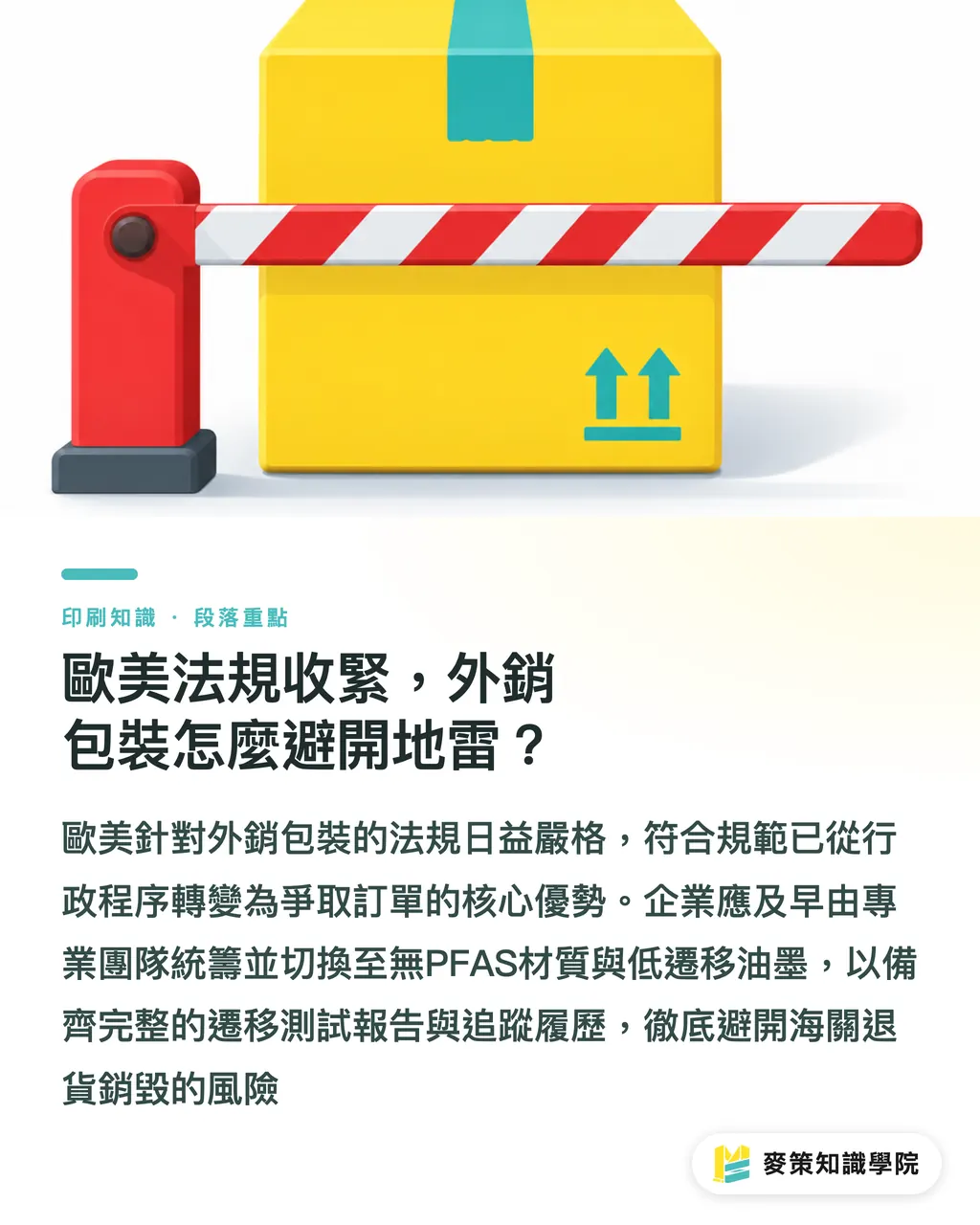
If you handle food or high-end export packaging, compliance has shifted from a back-office checkbox into a front-line weapon for winning deals
Over the past two years, Germany's Printing Ink Ordinance has reshaped ink formulations across Europe, and enforcement is strict
U.S. federal and state authorities have rolled out unyielding limits on food-contact packaging as well
Restrictions on PFAS (per- and polyfluoroalkyl substances, widely used in water- and oil-resistant coatings but persistent in the environment, now facing rapid global bans) are forcing the entire supply chain to find alternatives immediately
Stories of shipments containing PFAS being turned back at customs and destroyed are increasingly common
You have to provide clean paperwork, migration test reports, and complete traceability records
When facing high-spec packaging requirements like this, I usually advise clients to work with a team like MINDS, capable of coordinating mid-to-high-end fully custom commercial printing, to clear material and regulatory blind spots early on
On the press floor, switching early to low-migration inks designed specifically for food packaging, like Flexocure® ANCORA, ensures chemical compositions and print processes hold up under future spot checks and audits
Key Takeaways
・Sustainability comes down to hard data. Plants that provide carbon emissions and consumable tracking records per job ticket hold the cards
・AI quality control separates genuine defects from paper texture, offering a direct answer to labor shortages and reducing reliance on veteran pressmen
・Compliance documentation and migration testing reports have moved from back-office filing into front-line deal-closing tools
Further Thoughts
Looking at where things are headed, my advice to small and mid-sized Taiwanese label converters is straightforward: do not wait until a client's legal team demands a report to scramble for answers. Take stock of your ink systems and quality control workflows now, starting with per-job tracking for consumables and energy use. For SaaS developers, this is also a massive opening. Whoever can help these traditional shops turn scattered press data and compliance files into reports ready for global brands will take this market
Further Reading
FAQ
- What are low-migration inks?
- Inks formulated specifically for food or pharmaceutical packaging. Their chemical components are strictly controlled to ensure they do not migrate through packaging substrates to contaminate the contents, making them an absolute necessity under strict food safety regulations
- Why is there so much focus on PFAS right now?
- These chemicals were once widely used in grease-resistant coatings, but because they do not break down naturally, they face sweeping bans across the U.S. and EU. If your packaging contains PFAS, you are immediately shut out of Western markets
- What are the benefits of dual-cure UV LED inks?
- They work across both conventional UV and LED curing setups. Their biggest advantage is cutting electricity use significantly while keeping press speeds and print quality intact, directly lowering production emissions
Related articles





The Print × AI weekly
The print and AI know-how designers, brands and enterprises can use before they commit — one email, every week
MINDS Free Tools
AI background removal, brand stamping, and a LINE sticker maker — free design tools, right in your browser, no upload.
MINDS Group
Need actual printing or gifting services?
From premium printing to online ordering and festive gifts — the MINDS Group sister brands take it from here.