
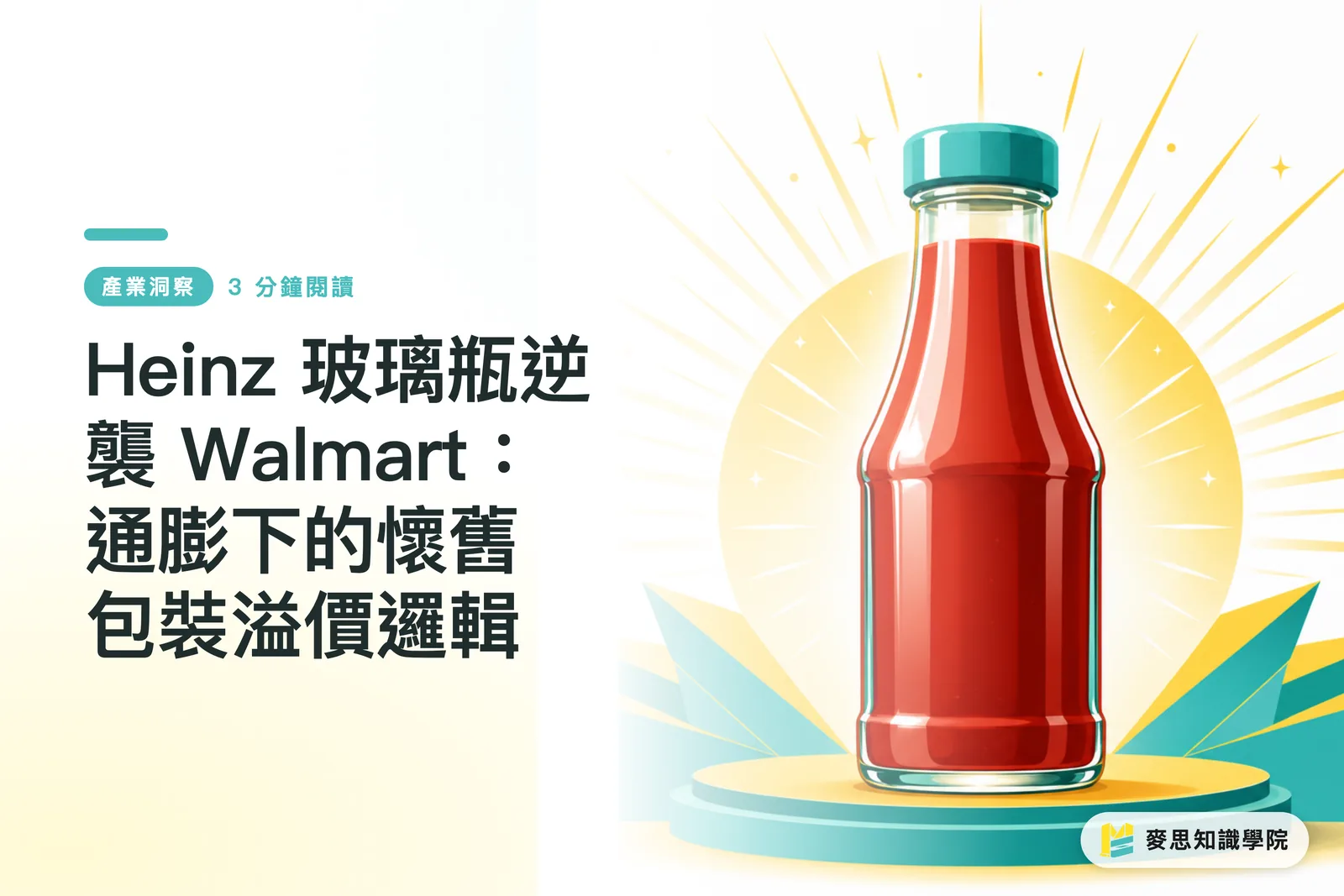
Why do consumers happily pay more for glass bottles when inflation bites harder?
Over the past few months, from the production floor to brand clients, the loudest headache has been the cost-and-ESG pressure cooker
Most brands hear "ditch plastic" and reflexively reach for paper or lightweighting. But right at the peak of this inflation wave, Heinz quietly re-stocked Walmart-exclusive shelves with its most traditional glass-bottle ketchup
That glass bottle commands roughly a 20% price premium over the usual squeeze plastic bottle
Here's the funny part, this heavier, pricier package actually pulled in more buyers, and set off a flood of nostalgia chatter and media coverage on TikTok
From my fifteen-plus years on printing and packaging lines, here's what I see: when the whole market is busy shrinking packaging costs, betting the other way on a pricier material sends a loud "premium" signal
People aren't just buying a condiment anymore. They're buying back that original flavor from childhood, and the solid grip of a real bottle in the hand
How does a material downgrade become an upgrade weapon for brand experience?
Glass is a clear step backward on logistics and manufacturing cost, but in brand storytelling it's a perfect step up
Heinz nailed two core angles: flavor restored to the original, and a container you keep using
It reminds me of a chat I had with designers not long ago, packaging isn't just a box for the product. It's the experience medium that pulls customers back for another purchase
Coca-Cola once lit up consumer curiosity with a single special sticker. Heinz this time uses the clink and the heft of a glass bottle to wake up an emotion
Compare that with the recent L.T. Piver case, the century-old French perfume house proved that eco material paired with luxury print can still win over a younger generation
Heinz took the old route and repackaged it as the new sustainability story, so consumers feel that paying 20% extra for a glass jar they can keep as a water bottle is a real bargain
When emotional narrative meets a channel-exclusive strategy, the material's built-in flaws flip into a buzz-generating weapon
How should mid-sized printers and brand clients respond?
This nostalgia-plus-material-premium playbook is a solid reference point for Taiwanese SMEs wrestling with transformation anxiety
If your product doesn't carry a century-old halo like Heinz, pushing a pricey glass bottle will likely just sit on the shelf
My advice: spend the budget where the knife is sharpest, start with the small parts consumers touch most often and engineer a surprise there
・Hunt for high-perception plastic-free touchpoints: things like Huhtamaki's fiber cap or Sinclair's compostable labels. Starting small on these parts gives you the best bang for the buck
・Lock onto a specific channel context: Heinz picked Walmart as its exclusive stage. Taiwanese brands can pick a curated retailer and launch a limited-run packaging with a distinctive feel
・Flip the flaw into a selling point: if the new eco material has color drift or a rough texture, lean into it as an unbleached, natural mark
Rather than bleeding on cost-cutting in an existing red ocean, think about how print craft and material shifts can help the product find that 20% premium headroom
Key Takeaways
・Going against the grain on material choice can cut through a cost-cutting red ocean with a strong premium signal
・Packaging is more than a container, old materials paired with emotional narrative can turn into a fresh sustainability selling point
・Mid-sized brands should start their plastic-free push from high-contact parts like caps or labels to create the best-cost-per-touch consumer experience
Further Thinking
For Taiwan's print manufacturers and the MINDS team, this is prime ammunition for the next client pitch
Next time a brand client is still stuck on "eco packaging costs too much," step out of the pure quote-sheet logic and use the Heinz case to lead them somewhere new
What special material or print finish can we use to help this product tell a story worth a 20% price bump?
Bring that story to life through MINDS' one-stop integrated service, that's the real value we bring to the table
Further Reading
FAQ
- Why is Heinz bringing back the glass bottle right now?
- Under inflation pressure, Heinz uses the Walmart-exclusive return as a way to reframe costly glass packaging as an original-flavor premium signal, creating buzz and margin headroom
- Are glass bottles really better for the environment?
- Not necessarily on transport carbon alone, but Heinz pitches it as a reusable container and successfully ties nostalgia to today's sustainability-buying mindset
- How can a mid-sized brand with a tight budget copy this packaging play?
- No need for a full material switch. Start with special eco materials on high-contact points like labels or caps, and pair them with a limited-channel launch
References
- Heinz brings back glass ketchup bottle at Walmart in nostalgia-driven campaign · packaginginsights.com
Related articles
The Print × AI weekly
The print and AI know-how designers, brands and enterprises can use before they commit — one email, every week
MINDS Free Tools
AI background removal, a LINE sticker maker, spine & imposition calculators — all free, right in your browser, no upload.
MINDS Group
Need actual printing or gifting services?
From premium printing to online ordering and festive gifts — the MINDS Group sister brands take it from here.