
What Tier of Cutting Machine Is the HiSeiki SK?
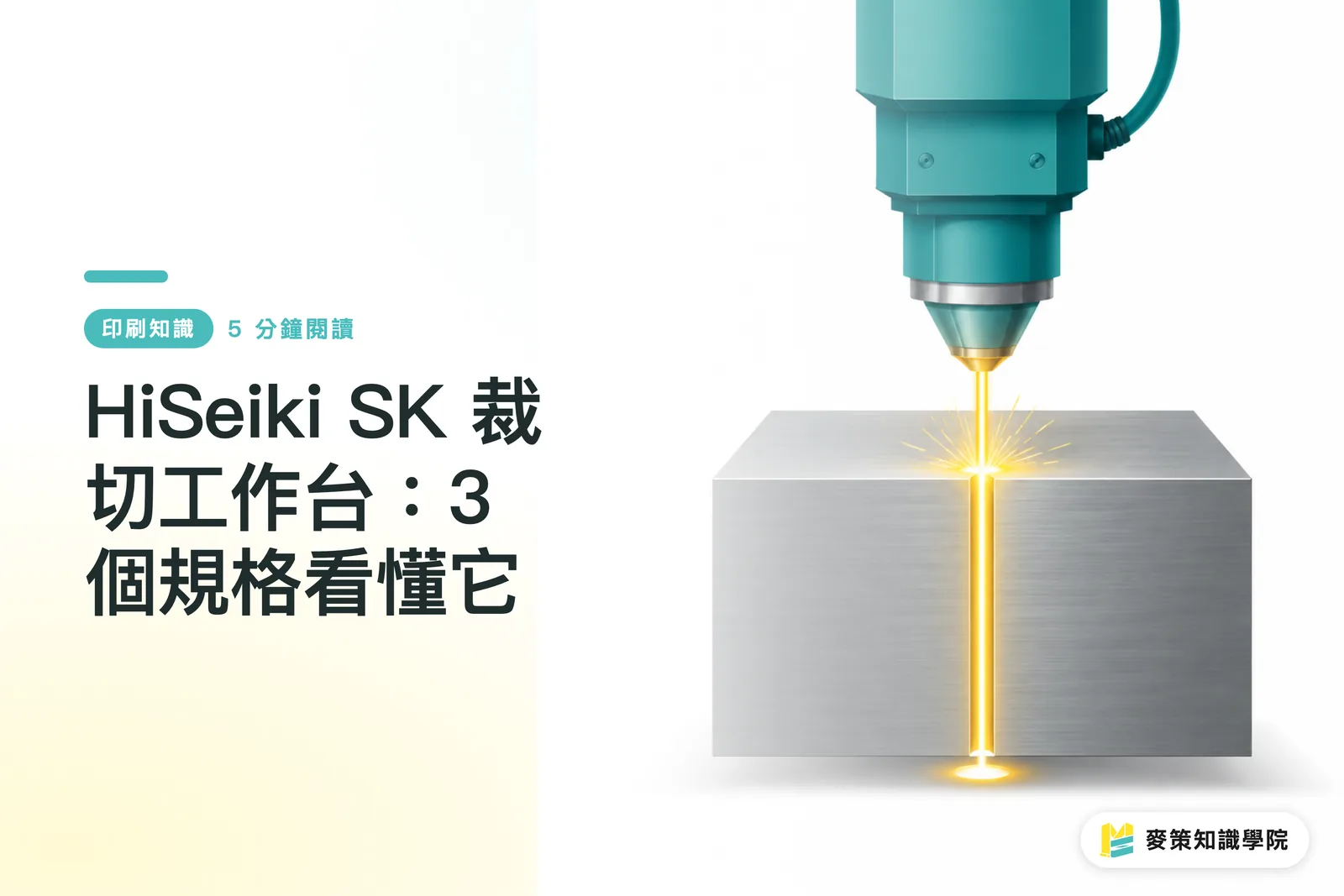
The HiSeiki SK is the flagship model in HiSeiki's digital cutting table lineup. It targets production floors looking to max out precision, speed, and repeatability all at once
Its biggest departure from conventional cutting machines is the drive system: it replaces traditional belts or ball screws with linear motors. In plain English, instead of driving the tooling indirectly through gears or belts, magnetic force moves the axes directly. That cuts out mechanical transmission errors
Réginald Freuchet, president of French distributor Transtec Machines-Outils, summed it up in one sentence: this machine is built for companies looking to take precision, speed, and repeatability to a higher level, and linear motors stand out especially in technical manufacturing applications
That is also why it can run at 2 meters per second while keeping its cutting path steady

Why Do Linear Motors Matter So Much in Finishing?
Linear motors tackle an age-old headache: running fast, but watching the cut path drift
When a cutting table speeds up, precision is usually the first thing out the window, especially on complex paths or during continuous runs with the same die pattern. This is where linear motors shine: even on intricate paths or high-frequency repeat jobs, motion stays steady
This level of precision makes a real difference in scenarios like these:
・High-value, low-tolerance technical processing
・Fine-line cutting, such as proofing and testing complex die cuts
・Cutting technical drawings and blueprints
・Continuous mass production where every single piece must match the last one perfectly
The machine can also take an automatic loading and unloading system to cut material changeover downtime, which comes in handy for tight-schedule short runs
How Big and Thick Can It Cut, and How Versatile with Materials?
Working areas on the SK series run from 2,500 x 1,600mm up to 3,500 x 3,200mm. It handles oversized materials without sacrificing precision. The table can hold up to 3 universal tool modules at once, meaning a single machine covers multiple finishing steps
Depending on the configuration, it can perform:
・Cutting, creasing, grooving, milling, and punching
・Available tools: milling spindles, V-cut blades, kiss-cut blades, oscillating blades, rotary blades, or custom tooling solutions
It handles materials up to 50mm thick, covering soft, rigid, multilayer, and technical substrates. Think acrylic, aluminum, adhesives, wood, rubber, paperboard, corrugated boards, foam, composites, technical textiles, fiberglass, and carbon fiber
That range of materials goes well beyond traditional commercial paper printing. It sits much closer to structural packaging development and industrial-grade fabrication
Can Small and Midsize Print Shops in Taiwan Actually Use It?
Yes, but you have to look honestly at your actual production setup first
The SK series has a very clear positioning: it is built for technical, highly repetitive production lines, not to replace everyday commercial print trimming. If your work revolves around volume trimming of business cards, flyers, and standard marketing collateral, specs at this level are complete overkill
However, if clients are already coming to you for packaging structure prototyping, composite material processing, or rapid proofing runs to test die lines on short notice, the precision and modular flexibility of this hardware start making real sense. For shops like MINDS that focus on mid-to-high-end fully custom commercial printing, finishing precision is often the deciding factor in winning luxury packaging or specialty substrate jobs
In other words, the question is not whether to jump on the bandwagon. It is whether your product line has reached that threshold
What Should You Ask Yourself Before Investing in This Type of Equipment?
Ask yourself four questions first. It is far more practical than staring at a spec sheet:
1. Do your jobs frequently require swapping dies and switching materials?
2. Are precision demands strict enough that a tiny error means a rejected job?
3. Do you need automatic loading and unloading to cut down manual downtime?
4. Does your budget comfortably cover a top-tier machine, or is starting with a mid-range unit more realistic?
If you cannot answer these questions, you probably are not ready for equipment in this class yet. If the answers all point to 'yes,' then the next discussion comes down to details like formats, module configurations, and levels of automation. For that step, bringing in consultants with real shop-floor experience helps you avoid paying for specs you will never touch or underbuying and coming up short on client orders. That is exactly where teams like the Mai Strategy Knowledge Academy consulting team, who know the realities of printing and post-press finishing, prove their worth
Key Takeaways
・The real value of linear motors is not just speed, but holding onto precision when running fast
・With a working area from 2,500 x 1,600mm to 3,500 x 3,200mm and up to 50mm thickness, this machine is clearly playing far beyond paper printing
・Three tool modules mean true multi-functionality, but they also come with a serious price tag
・Before buying, check whether your order mix has actually crossed into technical, highly repeatable production
Food for Thought
For print and packaging companies, the signal behind this equipment matters more than the machine itself. Finishing is shifting from a final cleanup step after printing into a technical barrier that dictates what orders you can win. In structural packaging prototyping and composite processing in particular, clients care less about pretty printing and far more about getting the die line right on the first try and turning around samples fast. If your incoming pipeline is heading in that direction, the next move is not rushing out to buy machines. Take inventory of how many current orders run into precision or turnaround bottlenecks first, then decide whether upgrading finishing capability deserves top investment priority
Further Reading
FAQ
- How does the HiSeiki SK cutting table differ from standard cutting machines?
- The key difference lies in the drive mechanism. The SK series uses linear motors to drive the moving axes directly, replacing conventional belts or ball screws. That allows it to hit speeds of 2 meters per second while holding a steady cutting path, a combination conventional cutting tables struggle to deliver
- What materials can this machine cut?
- It can process materials up to 50mm thick, spanning soft, rigid, multilayer, and technical substrates including acrylic, aluminum, wood, rubber, paperboard, corrugated materials, foam, composites, fiberglass, and carbon fiber
- Do typical commercial print shops in Taiwan need a cutting machine of this caliber?
- If your core business centers on volume trimming of standard marketing collateral like business cards and flyers, you generally do not need specs at this tier. But if you are handling orders for packaging structural prototyping or composite material processing, the precision and modular flexibility of this equipment offer genuine practical value
- How large is the working area of the SK series?
- The working area spans from 2,500 x 1,600mm to 3,500 x 3,200mm to accommodate oversized sheets. It can also mount up to 3 universal tool modules at once to perform cutting, creasing, grooving, milling, or punching
- What should you confirm first before evaluating this kind of equipment?
- Start by checking whether your jobs frequently call for swapping dies and materials, whether precision tolerances are tight enough that errors risk customer rejections, whether automatic loading and unloading is needed to curb downtime, and whether your budget can sustain a top-end machine. Answers to these four points will directly show whether investing makes sense right now
Related articles
The Print × AI weekly
The print and AI know-how designers, brands and enterprises can use before they commit — one email, every week
MINDS Free Tools
Spine width and imposition calculators — skip the manual math, free in your browser.
MINDS Group
Need actual printing or gifting services?
From premium printing to online ordering and festive gifts — the MINDS Group sister brands take it from here.