
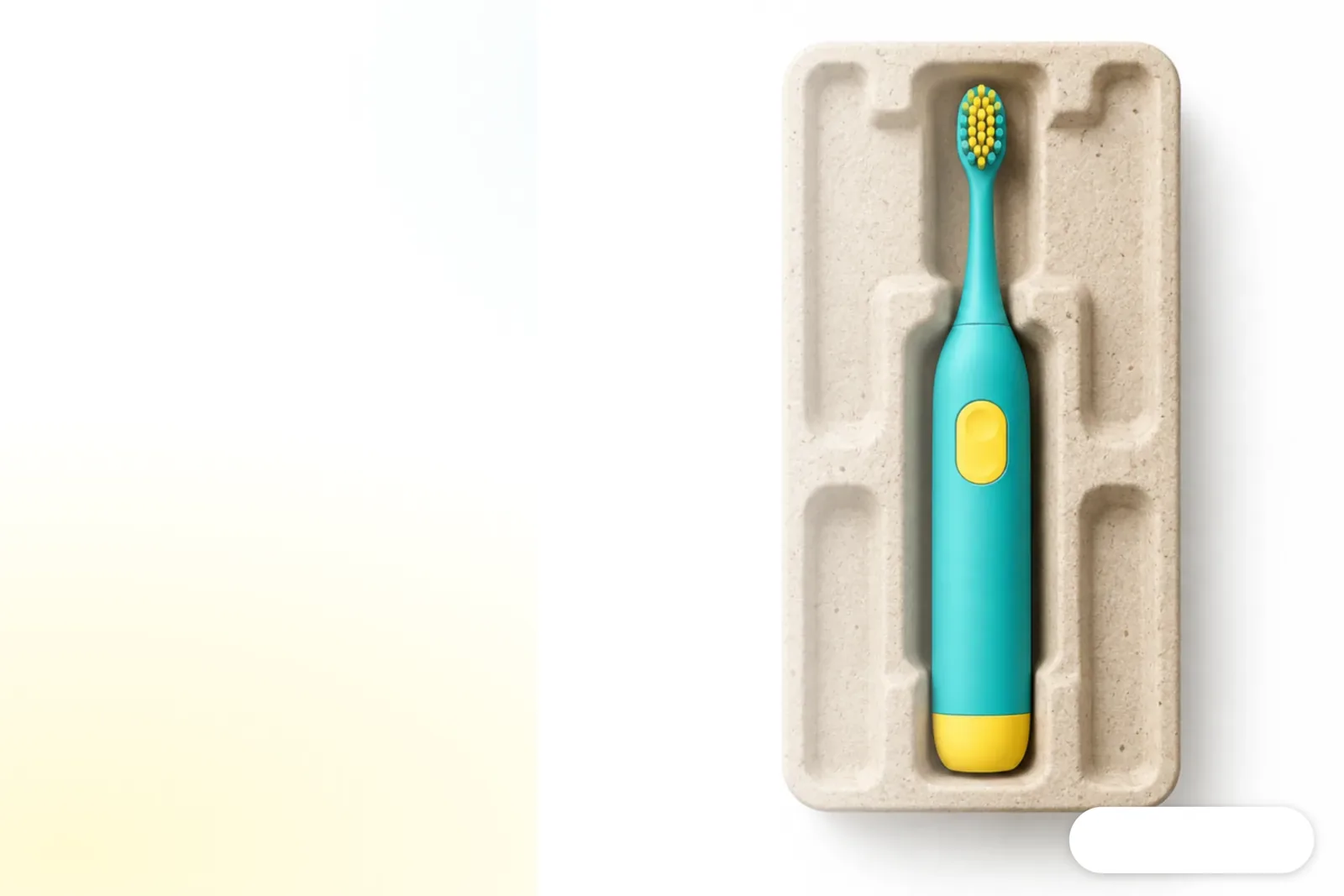
What Is Z1ro Using to Replace Plastic?
Z1ro has developed molded fiber packaging made from non-wood materials. Agricultural fibers are one option. The aim is to replace both plastic and virgin pulp, reducing reliance on forest resources. Virgin pulp is made from new fibers and contains no recycled fibers. This proposal gives brands another material source, but it does not mean plastic can already be phased out entirely
Packaging made from agricultural waste diversifies material sources, but it does not automatically eliminate supply risks. Brands still need to ask about fiber sources, specifications, and supply terms. Then they should test samples with their products to confirm fit, positioning, and protection during shipping. Read more about Z1ro's development in Packaging Insights' report on Z1ro
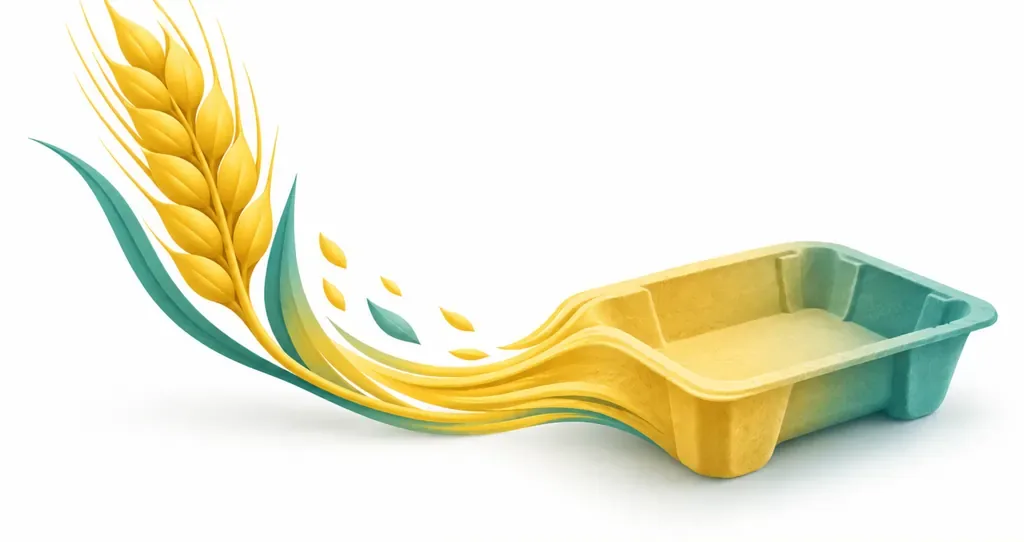
What Is Molded Fiber Packaging, and What Should Designers Check First?
Molded fiber packaging is made by forming plant fibers into three-dimensional packaging components using a mold. The shape supports or positions the product. Non-wood fibers come from sources such as agricultural fibers rather than wood. Designers should first look at product contact surfaces, fixing points, and areas under stress. Then they can plan the outer box, labeling, and brand identity. Don't rush to apply a flat design to a three-dimensional part
When a brand receives samples, it should check whether the product shifts, gets scratched, or touches sensitive areas. Then it should see how the packaging fits with the outer box. These are design checks, not protection guarantees that a material supplier can make on the brand's behalf. Sustainability claims also need to stay within the evidence available. An agricultural-fiber source does not automatically mean the packaging is recyclable or compostable
Will Switching to Agricultural Fibers Change Printing and Finishing?
Yes. Molded fiber can differ in how it forms, its surface coating, and its printability. A material change can affect the mold, forming pressure, and finishing parameters. A coating or print result that works reliably on a pulp tray is no guarantee it will work the same way on a new fiber material
Start with a sample run. To check the surface, the brand and design team should review print placement, legibility of brand elements, and coating needs. They should also inspect the sample with the actual product. If the printer receives only a flat dieline and no formed sample, it will be hard to spot how the three-dimensional surface limits the layout before final approval. Locking the artwork at that point often means doing it over later
How Can Brands Decide Whether It Is Worth Adopting?
Brands can use the three checks recommended by MINDS (a mid-to-high-end fully customized commercial printer) to confirm that the packaging suits the product, then assess production and communication requirements
・List the functions the current packaging must perform, such as holding the product in place, preventing collisions, or keeping surfaces apart. Then confirm that the molded component can do the job
・Check the mold, pressure, and finishing conditions using an actual formed sample. Put the product through the shipping and use tests the brand requires
・Before publishing copy, confirm the fiber source, coating, and end-of-life handling information. Don't claim the packaging is recyclable or compostable without supporting documents
Brands don't have to change every part of the packaging at once. They can start with one component that has a clear function and manageable product risks. That makes it easier to tell whether a problem comes from the material, forming, or packaging design. It also avoids making external claims about performance that has not yet been verified
What Can Small and Mid-Sized Printers and Brands in Taiwan Do Now?
Small and mid-sized printers can first present non-wood molded fiber packaging as a way to differentiate their offerings, while watching for longer-term opportunities as demand to reduce plastic grows. If a brand is also changing its outer box and identity printing, it can discuss layout and print presentation with MINDS. The packaging supplier still needs to provide samples and information on the molded part's material specifications, forming, and physical testing
This material has clear benefits, along with clear adoption hurdles
Benefits:
・Agricultural fibers add a non-wood material option for brands looking to replace plastic and virgin pulp
・Molded components let packaging design extend from material choice to three-dimensional ways of holding a product in place
Drawbacks:
・Mold, forming pressure, coating, and printing conditions may all need to be checked again
・The fiber source alone cannot prove the packaging's environmental benefits or how it should be handled after use
Before a redesign, brands should confirm the packaging requirements in each sales market. They should get a formed sample before finalizing the design, then gather material and end-of-life handling documents before publishing claims. That's far more solid than printing a green label first and looking for evidence afterward
Key Takeaways
・Z1ro is bringing agricultural fibers into molded packaging, offering an alternative direction to plastic and virgin pulp
・Changing fibers can affect the mold, forming pressure, coating, and printability. Test samples with the actual product
・Agricultural-fiber sourcing does not mean packaging is recyclable or compostable. Brand claims need support from material and handling documents
・Small and mid-sized printers can start by proposing components with clearly defined product functions, then build up sample and finishing experience
Further Considerations
Printers can record material specifications, sample versions, coatings, and print results so they can be checked later. Designers should wait for formed samples before finalizing the design. Brand buyers should confirm market requirements and supplier documents before a redesign. AI or SaaS can help organize specifications, compare versions, and flag missing documents. It cannot replace physical sampling by the supplier or prove a brand's sustainability claims
Further Reading
FAQ
- What is non-wood molded fiber packaging?
- It is three-dimensional packaging made from plant fibers other than wood. Z1ro's development includes agricultural fibers, with the aim of replacing plastic and virgin pulp
- Can agricultural-fiber molded packaging completely replace plastic?
- Z1ro has identified plastic as a replacement target, but suitability depends on product protection needs, forming conditions, and actual testing. The material name alone is not enough to decide
- Can non-wood molded fiber packaging be printed on directly?
- Printability depends on the material's surface and coating. The brand and printer should inspect a formed sample before confirming artwork placement and print results
- What should brands check before adopting agricultural-fiber packaging?
- First check product protection needs, material supply specifications, mold and finishing conditions, and end-of-life handling documents. Environmental claims should be backed by supporting information
Related articles

The Print × AI weekly
The print and AI know-how designers, brands and enterprises can use before they commit — one email, every week
MINDS Free Tools
AI background removal, a LINE sticker maker, spine & imposition calculators — all free, right in your browser, no upload.
MINDS Group
Need actual printing or gifting services?
From premium printing to online ordering and festive gifts — the MINDS Group sister brands take it from here.