
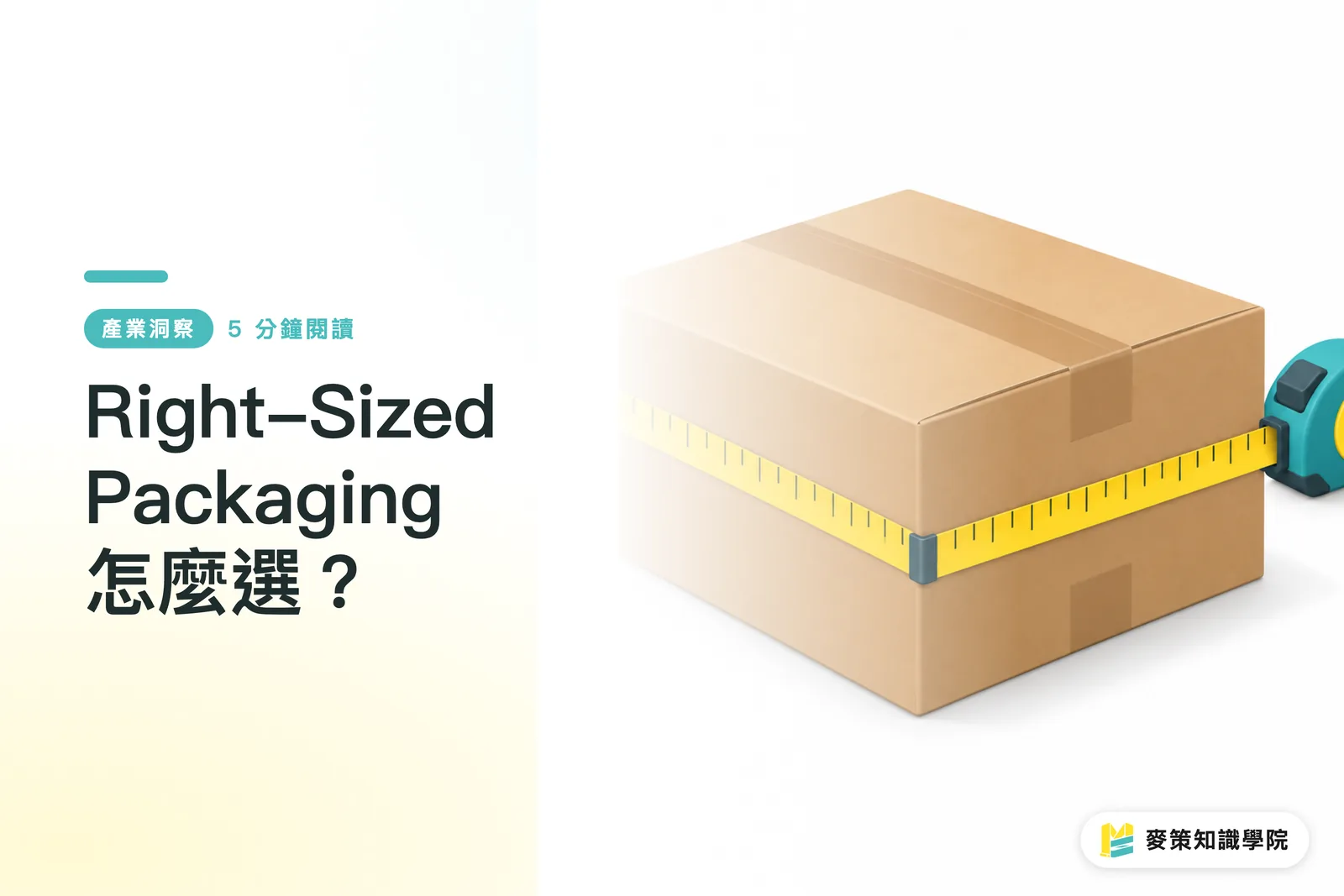
What Does Right-Sized Packaging Actually Change?
Right-sized packaging tailors cartons to specific products and order profiles, matching packaging dimensions directly to real shipping demands
In my view, it pulls box sizing out of the design department's structural choices and turns it into a shared decision driven by warehouse efficiency and freight costs
Packaging Dive, an industry news outlet, links warehouse efficiency pressures directly to dynamic carton sizing in The Rise of Right-Sized Packaging: How the New Warehouse Efficiency Battleground Is Rewriting Dimension Decisions. The report focuses on very practical outcomes: less corrugated board, lower freight costs, and improved shipping throughput
On the printing floor, we see the impact even earlier. Change a carton's dimensions, and you might shift the imposition layout, sheet yields, die-cutting plates, and finishing workflow. On die lines and press sheets, a tiny size difference rarely means a tiny cost difference. It often flips the entire sheet layout
That means right-sized packaging does not simply mean shrinking boxes blindly. You still have to protect the product, ensure pallet stackability, and confirm the press line can mass-produce it reliably
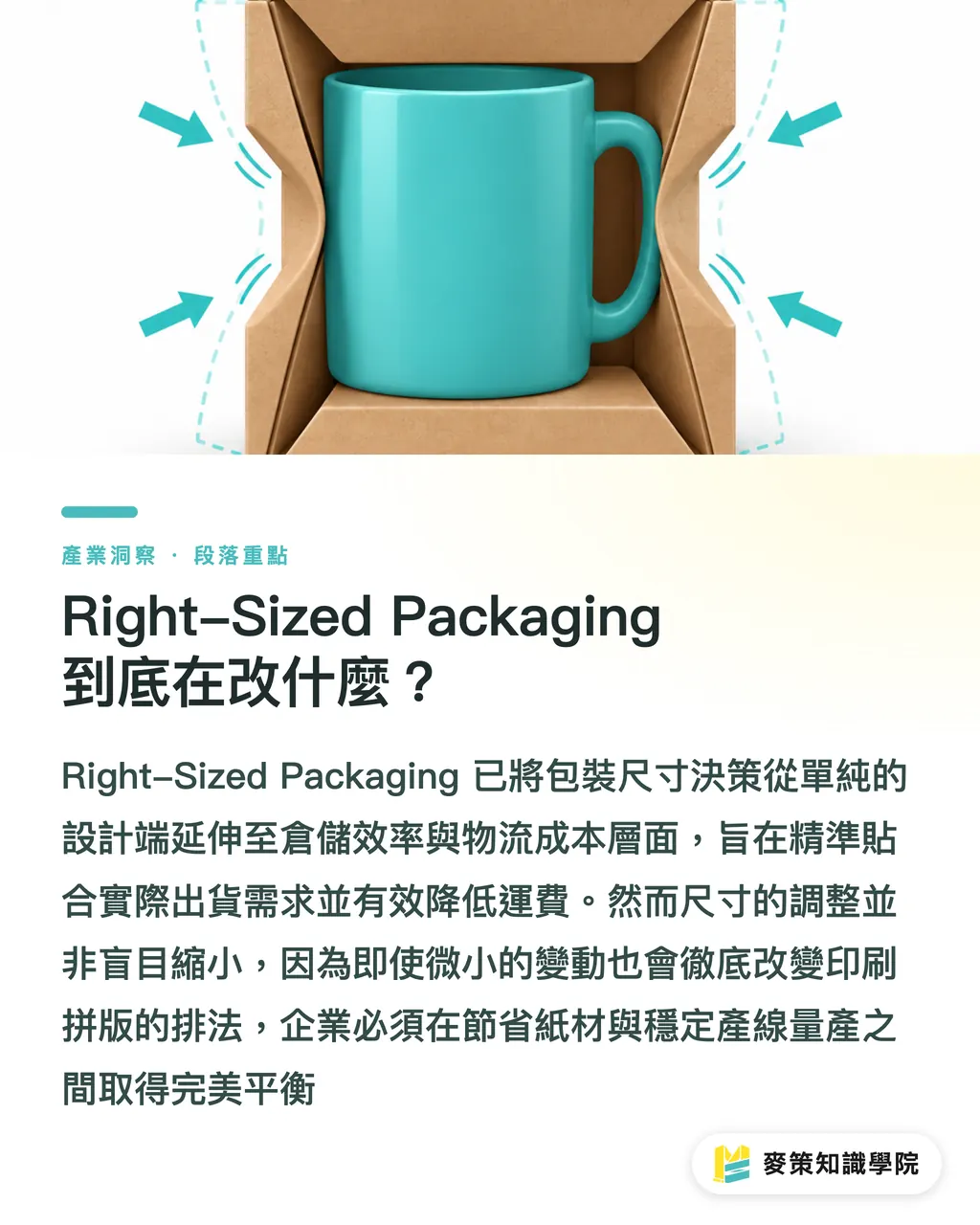
Why Do Warehouses Feel Sizing Issues First?
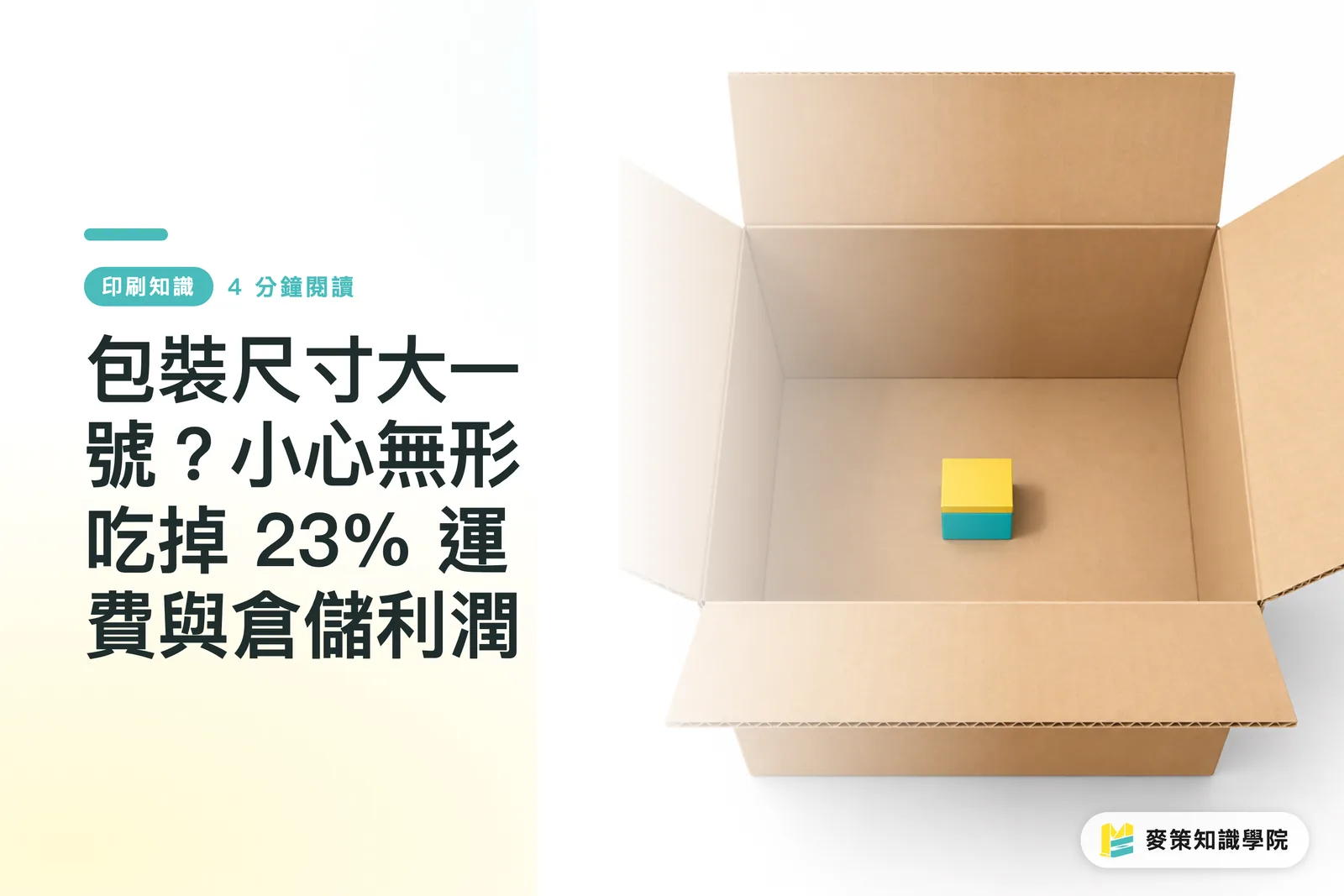
Warehouses feel sizing issues first because fixed box sizes lock excess air into pallet racks, handling workflows, and freight bills
When the same product ships as a single item, a bundle, or with add-ons, the ideal outer carton changes. Forcing a single box size means packing voids with dunnage, which forces the warehouse to store and ship empty air
The value of right-sized packaging lies in letting carton footprints adapt to actual order combinations. That delivers the three results highlighted in the report: less corrugated usage, lower shipping costs, and better throughput
Just because an item fits inside does not mean the shipping packaging is ready. Outer carton volume impacts staging, picking, loading, and last-mile delivery. Make the box too tight, and you risk crush damage and repacking
Brands that only look at per-unit box costs easily miss how many cartons fit on a pallet, how orders combine, and what the customer sees when unboxing
Track the box's journey first
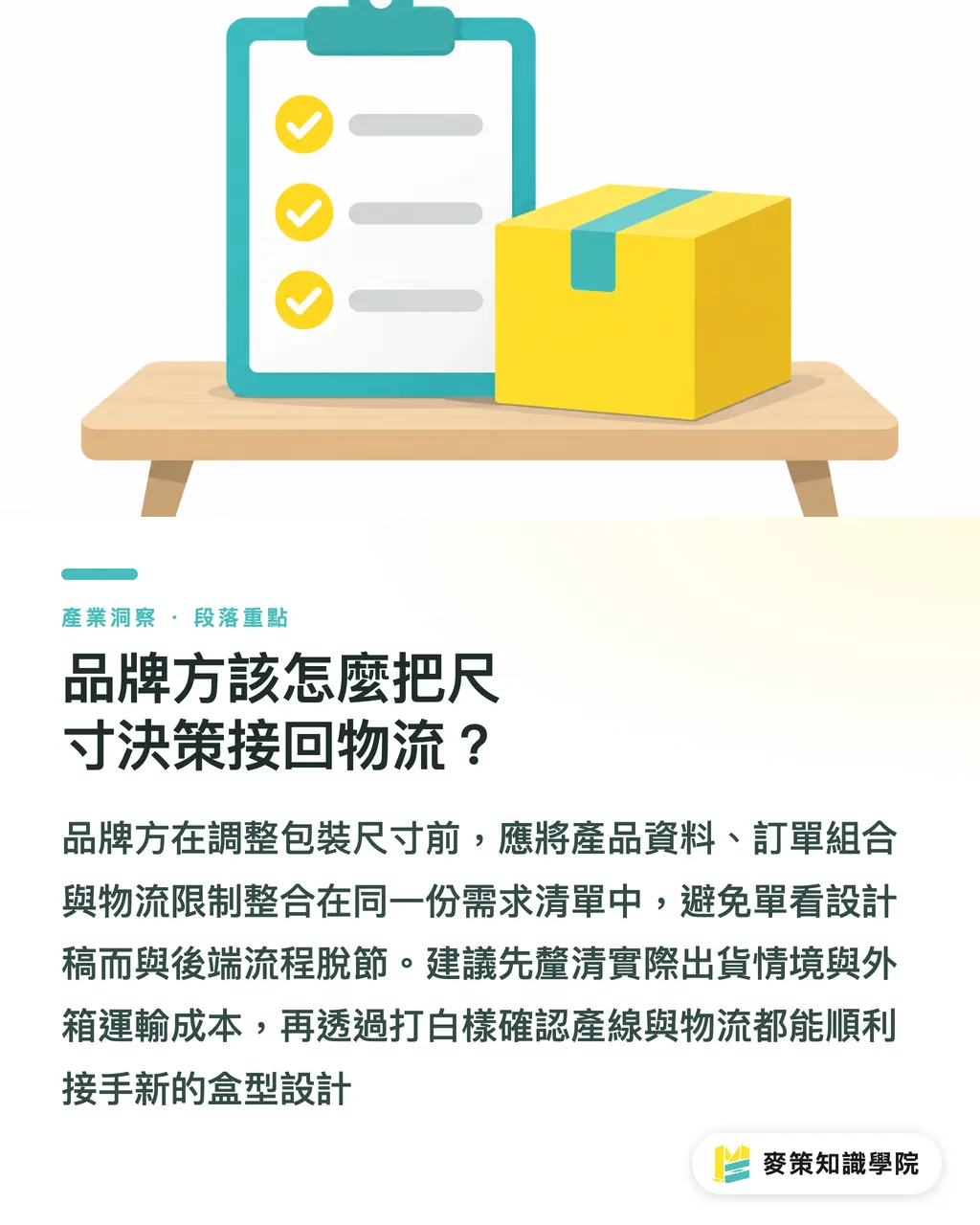
How Brands Can Reconnect Box Sizing to Logistics
Brands need to include product specs, order combinations, and logistics constraints in the same packaging brief, then work with design and print partners to validate the box structure
When handling these projects at MINDS, I follow a sequence called the 'Mai Strategy Three-Gate Print Verification.'
・1. Review products and orders first: Map out real shipping scenarios for single items, bundles, and add-ons. Identify common footprints so a single retail display box does not dictate packaging for every order
・2. Calculate outer cartons and shipping next: Put corrugated consumption, freight rates, pallet racking, stacking strength, and throughput onto a single comparison sheet. That is the only way to see the real difference between fixed box sizes and dynamic sizing
・3. Validate mass production last: Build plain structural dummies to check clearance and protection, then audit imposition, sheet yields, die-cutting, and folder-gluer pacing to make sure the production line can handle the revised specs
If a brand only has artwork files without order profiles or logistics cost breakdowns, they can bring in the Mai Strategy Knowledge Academy consulting team to work through these three gates before altering box structures. That prevents finding out right before delivery that the cartons do not fit the fulfillment workflow
How Printers Can Deepen Their Services
Printers can move from transactional quoting toward carton optimization consulting and on-demand, variable-run services
For small and mid-sized commercial printers, ask about order profiles and shipping conditions before issuing a quote. When seasons, sales channels, or fulfillment setups shift, packaging requirements change with them
・Fixed-size cartons: Fewer SKUs and straightforward scheduling, but freight and wasted space spike when orders vary widely
・Right-sized packaging: Box dimensions match orders closely. As reports show, this cuts corrugated usage, lowers freight costs, and smooths out shipping throughput, though it requires organized upfront data
I separate the question into two parts: 'Can we print it?' and 'Is it worth printing?' The first depends on press capabilities and finishing equipment. The second comes down to sheet yield, run flexibility, and warehouse realities
Brands requiring mid-to-high-end custom commercial printing can have MINDS audit print and finishing specifications alongside structural box design
How AI Tools Fit into Packaging Sizing Decisions
AI and SaaS are best used to organize sizing data and version histories. They should never replace unprinted structural dummies, fit tests, and press line validation
SaaS (Software as a Service) stores product dimensions, box iterations, substrate specs, die lines, and sign-off records. AI helps sort through SKUs (Stock Keeping Units), order combinations, carton sizes, and shipping histories, flagging the scenarios that need immediate review
Software tools provide ranking and alerts. Designers evaluate brand aesthetics and unboxing experience. Printers assess imposition, die-cutting, gluing, and pallet stacking. Warehousing and logistics teams confirm actual flow through the supply chain
Brands can start with three basic data points: product footprint, order combinations, and shipping outcomes. Keep only one approved version per structural update, and log changes in corrugated usage, freight costs, and throughput back into the record
Start with a single SKU
I do not recommend buying machinery first and searching for uses later. Take one SKU all the way through design, printing, and warehousing. Once you confirm the new dimensions genuinely cut waste, decide whether to scale up

Key Takeaways
・Carton dimensions should follow actual order profiles, not just retail display boxes
・Warehouse, logistics, and printing costs all converge on the exact same carton dimensions
・Organize data through the 'Mai Strategy Three-Gate Print Verification' before deciding between fixed and dynamic box sizes
・When printers include size optimization and variable runs in their offerings, quotes reflect total operational costs
・Let AI and SaaS manage data and version tracking, but keep plain dummies and pressroom decisions in human hands
Further Thoughts
Next time you revamp your packaging, ask suppliers for a matrix comparing dimensions, order profiles, and logistics impact. Pick a single SKU to build plain structural dummies and run fit tests, then log the shifts in corrugated usage, freight rates, and throughput back into your version history. If you plan to communicate ESG results, define dimension and material limits before freezing design, keep fit-test and purchasing records before mass production, and explain the reduction rationale to consumers after launch. Leave AI and SaaS to handle data sorting, reminders, and version control
Further Reading
FAQ
- What is right-sized packaging?
- Right-sized packaging tailors carton dimensions to specific items and order profiles. The goal is to eliminate unnecessary corrugated waste and freight charges while smoothing out shipping throughput
- How should brands determine packaging dimensions?
- Start by mapping out order scenarios for single items, bundles, and add-ons. Next, compare pallet space, stacking strength, freight rates, and shipping throughput. Finally, validate the carton structure using plain structural dummies and mass-production constraints
- Does right-sized packaging require automated machinery?
- Not necessarily. First confirm the cost value of adjusted dimensions using order data, structural versions, and fit testing. Evaluate automated box-cutting or box-making equipment only when shipping volumes and warehouse pressure warrant the investment
- How can small and mid-sized printers enter right-sized packaging?
- Start with sizing optimization consulting, imposition and finishing assessments, and variable-run planning. Help brands evaluate unit packaging costs alongside total logistics expenses in a single decision document
- What can AI and SaaS do in packaging dimension decisions?
- AI can organize SKUs, order combinations, and box sizes, while SaaS tracks materials, die lines, approved versions, and shipping outcomes. Plain dummies, fit tests, and mass-production sign-offs must still be confirmed by design, print, and warehouse specialists
Related articles


The Print × AI weekly
The print and AI know-how designers, brands and enterprises can use before they commit — one email, every week
MINDS Free Tools
AI background removal, brand stamping, and a LINE sticker maker — free design tools, right in your browser, no upload.
MINDS Group
Need actual printing or gifting services?
From premium printing to online ordering and festive gifts — the MINDS Group sister brands take it from here.