
Overview
Among the 11,701 packaging producers in the UK with reporting obligations, 89% are still supplying non-recyclable, hard-to-recycle, or mixed-rating packaging. pEPR fees will push the cost pressure of Red and Amber packaging directly back to brands. MINDS Printing (MS) recommends that brands start with a "SKU-based redesign classification method": audit all items, label them as Red/Amber/Green, then place high-volume, high-visibility, and high-fee-risk packaging into the first redesign wave
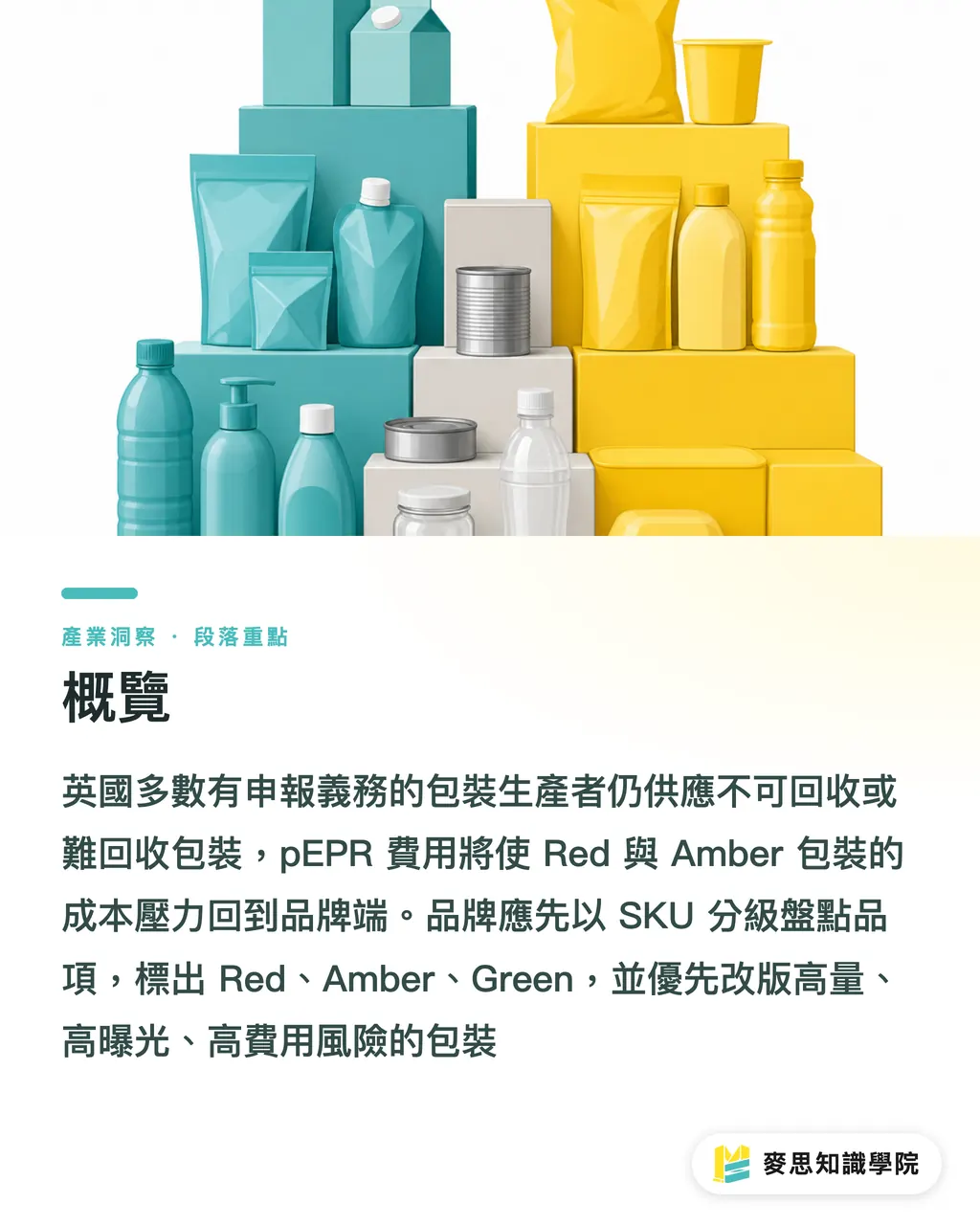
Where Are 89% of UK Packaging Companies Still Stuck?
ThePackagingPortal cited UK Defra data showing that among 11,701 packaging producers with mandatory reporting obligations, 89% still supply non-recyclable, hard-to-recycle, or mixed-rating packaging. That figure is striking for anyone working in packaging because it shows that on-the-ground transition is moving much more slowly than brand messaging
・14% of producers use only Red rated packaging, meaning about 1 in every 7 companies still fully relies on materials that are difficult or problematic to recycle
・1% of producers use only Amber rated packaging, a category that still presents clear recycling challenges
・75% of producers use a mix of Red, Amber, and Green, which means most companies are not doing nothing; they simply have not completed the transition
・Only 10% of producers have fully shifted to Green packaging
What I see in print and packaging projects is very similar: brands often start by changing outer-box copy, colors, certification marks, and claims. The truly difficult parts to change are composite films, laminated mixed materials, special coatings, spot embellishments, inserts, and label adhesives. These usually sit quietly inside the cost sheet. Once EPR fees enter the picture, finance teams begin pulling them out one line at a time
EPR, or Extended Producer Responsibility, means that brands or producers are responsible for recycling, processing, or related costs for packaging waste after a product is sold. The harder a package is to recycle, the higher its future fees and reporting pressure are likely to become
How Will pEPR Fees Push Brands to Redesign Packaging?
The pressure from pEPR will not stop at the compliance department. It will eventually enter three documents: the packaging BOM, the SKU gross margin sheet, and the annual redesign plan. In the UK data, 14% are fully Red and 75% use mixed ratings, which shows that most brands are not missing an environmental slogan; they are missing a packaging inventory that can map directly to fees
The problem with Red packaging is usually not a single material but the structure: paper-plastic composites, metallized films, dark plastics, hard-to-remove labels, special coatings, or multilayer laminates. These designs may look appealing on the shelf, but they often become problems at the recycling end. The fee design of pEPR turns that problem into a direct brand cost
Amber packaging is more awkward. It looks somewhat better than Red, but it still may not enter a stable recycling stream. If a brand only changes Red packaging to Amber, it may reduce pressure in the short term, but new fee rates could still catch up with it later. This is where I remind procurement teams to be careful: do not mistake "less bad" for "already safe."
For Taiwanese brands, the UK is not distant news. Exports, contract manufacturing, cross-border e-commerce, and international retail listings will all bring this logic into the supply chain. When customers request packaging data, recycling labels, material breakdowns, or carbon-related documents, small and midsize print shops that cannot answer may be excluded no matter how competitive their quotes are
How Should Taiwanese Brands Audit SKUs?
I would start with SKUs, not slogans, because SKUs connect directly to packaging materials, printing methods, procurement volume, channel visibility, and fee risk. This time, UK Defra classified 11,701 producers as Red, Amber, or Green. Taiwanese brands can use the same mindset for internal audits first, instead of waiting until regulations arrive at the door
MINDS Printing's (MS) three prepress checkpoints can be used this way for EPR redesign preparation:
・① Material checkpoint: list the outer box, insert, pouch material, label, sealing sticker, and cushioning material for each SKU; mark paper, plastic, aluminum film, composite material, coating, or varnish
・② Structure checkpoint: check whether consumers can separate, clean, and sort the packaging; whether mixed materials are permanently bonded; and whether the label interferes with recycling of the main packaging material
・③ Channel checkpoint: prioritize by annual sales volume, return rate, visibility, and export market; redesign high-volume and high-risk SKUs first
When it comes to prioritization, I usually do not ask brands to change everything at once, because that can easily get stuck in inventory, tooling, color management, and procurement contracts. For the first wave, it is enough to focus on three packaging types: high-volume regular products, channel-priority products, and export or cross-border products. These three are most likely to affect fees, reputation, and customer complaints at the same time
If a brand already has mid- to high-end fully custom commercial printing needs, it can combine packaging audits with MINDS Printing's proofing, material substitution, and post-press evaluation process. Use small-batch redesigns first to validate paper stocks, films, coatings, and color variation. Do not put an entire year of packaging inventory behind an unverified solution
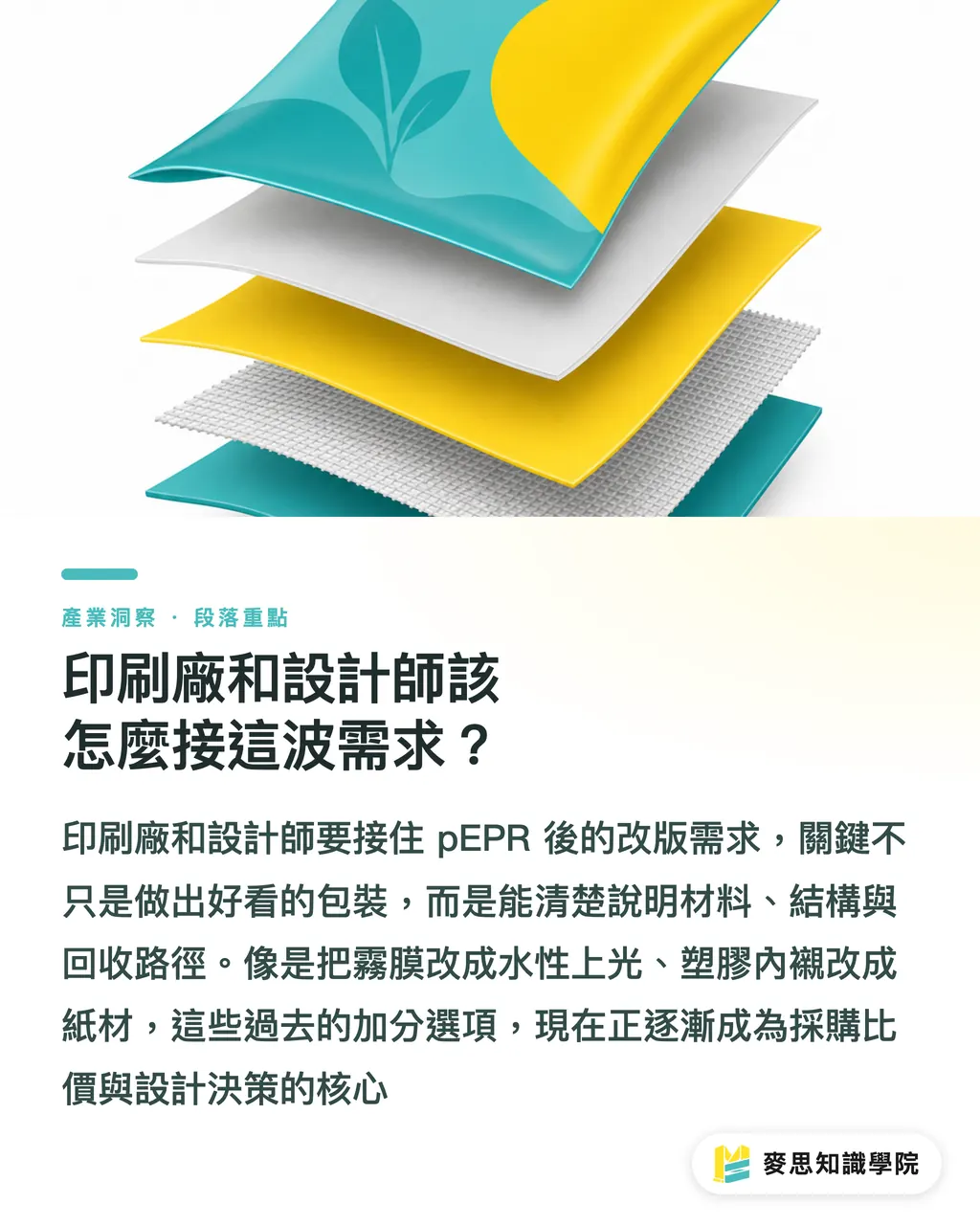
How Should Print Shops and Designers Respond to This Demand?
The first thing small and midsize print shops need to improve is not a polished presentation deck, but the material language inside their quotations. When customers ask, "Can this be recycled?" sales teams cannot simply answer, "It's paper, so probably." At minimum, they need to break the discussion down into base material, coating, lamination, varnish, adhesive, and post-press process. Only then can they capture the redesign projects that follow pEPR
Designers also need to adjust their ideation sequence. In the past, packaging often began with visual memorability, then materials were found later to match the design. Now, for high-risk items, the recycling path must be considered in the layout and structure from the start. Removing one composite layer or one hard-to-separate material can sometimes be worth more commercially than adding another visual effect
Based on recent brand projects, I can clearly feel procurement teams asking more detailed questions: Can matte film be replaced with water-based varnish? Can the plastic insert be changed to paper? Can the label adhesive be swapped for an option that interferes less with recycling? These questions used to be treated as bonus points. Now they are entering procurement comparisons
For SaaS and AI application teams, the most practical entry point is not helping brands write sustainability copy. It is turning packaging data into SKU files that can be searched, compared, and tracked. For example, each item can be linked to material, structure, supplier, version, annual usage, preliminary Green/Amber/Red assessment, and redesign status. Tools like this can actually enter print and procurement workflows
Key Takeaways
・EPR fees will turn "hard to recycle" from a brand image issue into a SKU cost issue
・89% still use Red, Amber, or mixed-rating packaging, which means most companies need a redesign sequence, not more promotional language
・Packaging redesign should be audited through three checkpoints: material, structure, and channel. Start with high-volume, high-visibility, and high-regulatory-risk items
・Print shops that can clearly explain materials and post-press processes will be qualified to take on the next wave of sustainable packaging redesigns
・For designers, removing one layer of hard-to-separate material may create more business value than adding one more visual effect
Further Thinking
For Taiwan's print manufacturing side, now is the time to turn material data, post-press limitations, and alternative solutions into an internal knowledge base. For designers, proposals should explain the recycling path alongside the visual solution. For AI and SaaS teams, the opportunity lies in SKU-level packaging data management, not vague sustainability talk. For brand clients, the consulting team at Mai Strategy Knowledge Academy can help classify packaging items first, then hand them to the printing and design side to schedule executable redesign batches
Further Reading
FAQ
- Does the fact that 89% of UK packaging companies use hard-to-recycle materials matter to Taiwanese brands?
- Yes, especially for brands involved in exports, contract manufacturing, cross-border e-commerce, and international retail channels. Fee systems such as the UK's pEPR will make channels pay closer attention to packaging materials, recycling classifications, and the completeness of supplier data
- Will pEPR increase packaging costs for brands?
- The design direction of pEPR is to make hard-to-recycle materials bear higher fees. UK data has already pointed out that Red and Amber packaging will face operational cost and reputational risks. If brands do not redesign, cost pressure may become more visible year by year
- Which type of packaging should brands redesign first?
- Start with high-usage, high-visibility, and high-regulatory-risk SKUs, such as regular bestsellers, channel-priority products, and export products. Then gradually address low-volume or seasonal packaging
- How should print shops respond to customers' sustainable packaging needs?
- Print shops should clearly list base materials, coatings, laminations, varnishes, adhesives, and post-press processes, while preparing alternative materials and proofing options so customers can evaluate cost, quality, and recycling risk together
- Does Green packaging mean there is no risk at all?
- Green packaging means it is easier to enter a recycling pathway, but brands still need to consider local recycling capacity, consumer sorting behavior, and the actual packaging structure. A single label is not enough to determine safety
References
- Defra FOI 數據:11,701 家申報生產者中 89% 仍供應非全綠 RAG 評級包裝 · packagingeurope.com
- Defra: 9 in 10 packaging producers use unsustainable materials · edie.net
Related articles
The Print × AI weekly
The print and AI know-how designers, brands and enterprises can use before they commit — one email, every week
MINDS Free Tools
AI background removal, a LINE sticker maker, spine & imposition calculators — all free, right in your browser, no upload.
MINDS Group
Need actual printing or gifting services?
From premium printing to online ordering and festive gifts — the MINDS Group sister brands take it from here.