

Why Are High-End Brands Investing in Tactile Coatings?
Direct answer: Tactile coatings deliver a measurable difference in touch, letting consumers register brand value the second they pick up a product. According to industry intelligence from 2026‑08‑26, EU packaging regulations now cover 93% of manufacturers. That push forces brands to make breakthroughs in both function and sensory appeal, because visuals alone no longer satisfy the premium market. Touch has become a real competitive battleground, not just a decorative extra

How Does Aesop Combine Heritage Design with New Textures?
Direct answer: Aesop redesigned its fragrance bottle around a heritage visual language while adding a fine tactile coating, shifting the bottle feel between smooth and soft. The new bottle keeps the brand's signature clean lines. Paired with the micro-particle structure of the coating, fingers feel a subtle texture as they glide over the surface, elevating the unboxing ritual. This setup stands out clearly among competing products, directly strengthening the consumer's emotional bond with the brand
What Makes the Stahl Sensora Series a Technical Breakthrough?
Direct answer: Stahl's Sensora series uses multi-layer microstructured coatings that present shifting tactile textures under different lighting. At the core of Sensora is an adjustable resin formulation. By controlling particle density, it dials surface roughness anywhere from velvety smooth to gritty sand, while post-print quality testing ensures batch-to-batch consistency. This technology lets luxury brands do more than tell stories on packaging, fingers can actually read the story
How Can Small and Medium Print Shops Implement Tactile Coating Production?
Direct answer: Small and mid-sized print shops can start with UV-curable tactile coatings on film substrates, simply retrofitting existing UV ovens and automatic spraying gear. In practice, verify viscosity and cure time with coating suppliers first, then run touch tests on small sample batches to match the design specifications. Once verified, write the process into standard operating procedures and pitch it to brand clients as a premium add-on. For custom high-end projects, consult MINDS for end-to-end support
Why Must Tactile Design Balance Sustainability and Regulations?
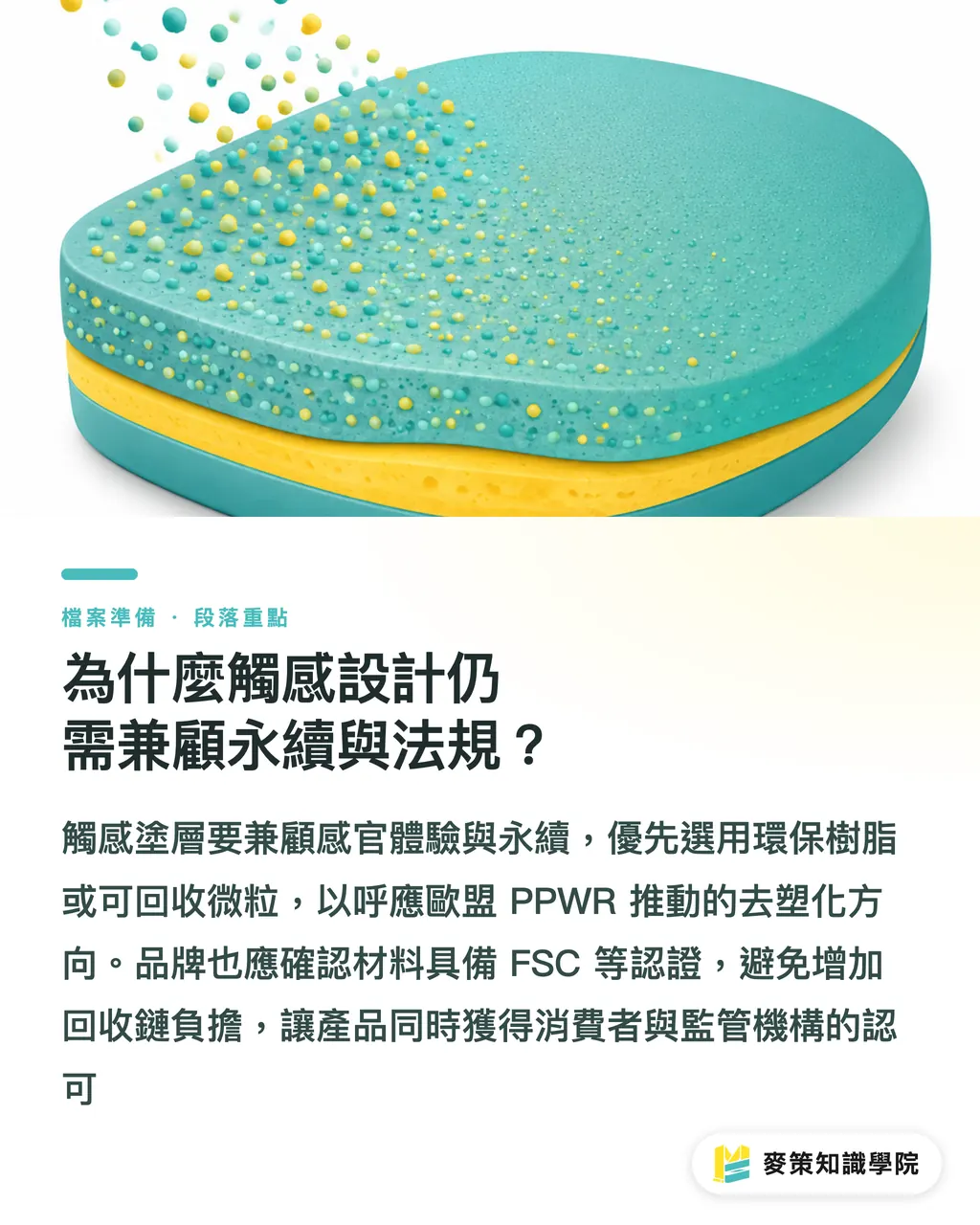
Direct answer: Most tactile coating raw materials rely on eco-friendly resins or recyclable micro-particles, aligning with the plastic-reduction targets pushed by EU PPWR in the 2026‑07‑11 industry report. When picking a coating, brands must verify whether materials carry FSC or other certifications, ensuring they do not create new burdens in the recycling stream. A win-win approach on sustainability and sensory appeal makes it much easier to win over both buyers and regulators
Key Takeaways
・Tactile coatings offer a dual breakthrough for high-end packaging, where sight and touch are equally vital
・Aesop and Stahl build on classic designs, using microstructured coatings to create distinct sensory experiences
・Small and mid-sized print shops can break in quickly with UV curing processes and secure regulatory approval with sustainable materials
Further Thoughts
From a print manufacturing perspective, rolling out tactile coatings requires cross-team teamwork. Designers set the touch specs, process engineers tune the drying curve, and QA teams verify consistency with haptic testers. Here, AI helps analyze sensor data and predict how formulations perform across substrates, speeding up sample iterations. For SaaS providers, building a tactile management platform will become the next high-value service in the printing industry
Further Reading
FAQ
- What is the simplest way for brands to quickly adopt tactile coatings?
- Start with a single-layer UV-curable tactile coating and cure it in existing UV ovens. You can get the baseline texture in as little as 15 seconds
- Do tactile coatings harm packaging recyclability?
- Using coatings made with FSC-certified or renewable resins will not complicate recycling. In fact, it meets the plastic-reduction requirements of EU PPWR
- How can small and mid-sized print shops convince clients to try new coating technology?
- Hand clients physical samples so they can feel the difference themselves, then show a cost breakdown proving the unit premium can stay within 5% during volume production
Related articles




The Print × AI weekly
The print and AI know-how designers, brands and enterprises can use before they commit — one email, every week
MINDS Free Tools
AI background removal, a LINE sticker maker, spine & imposition calculators — all free, right in your browser, no upload.
MINDS Group
Need actual printing or gifting services?
From premium printing to online ordering and festive gifts — the MINDS Group sister brands take it from here.