
Overview
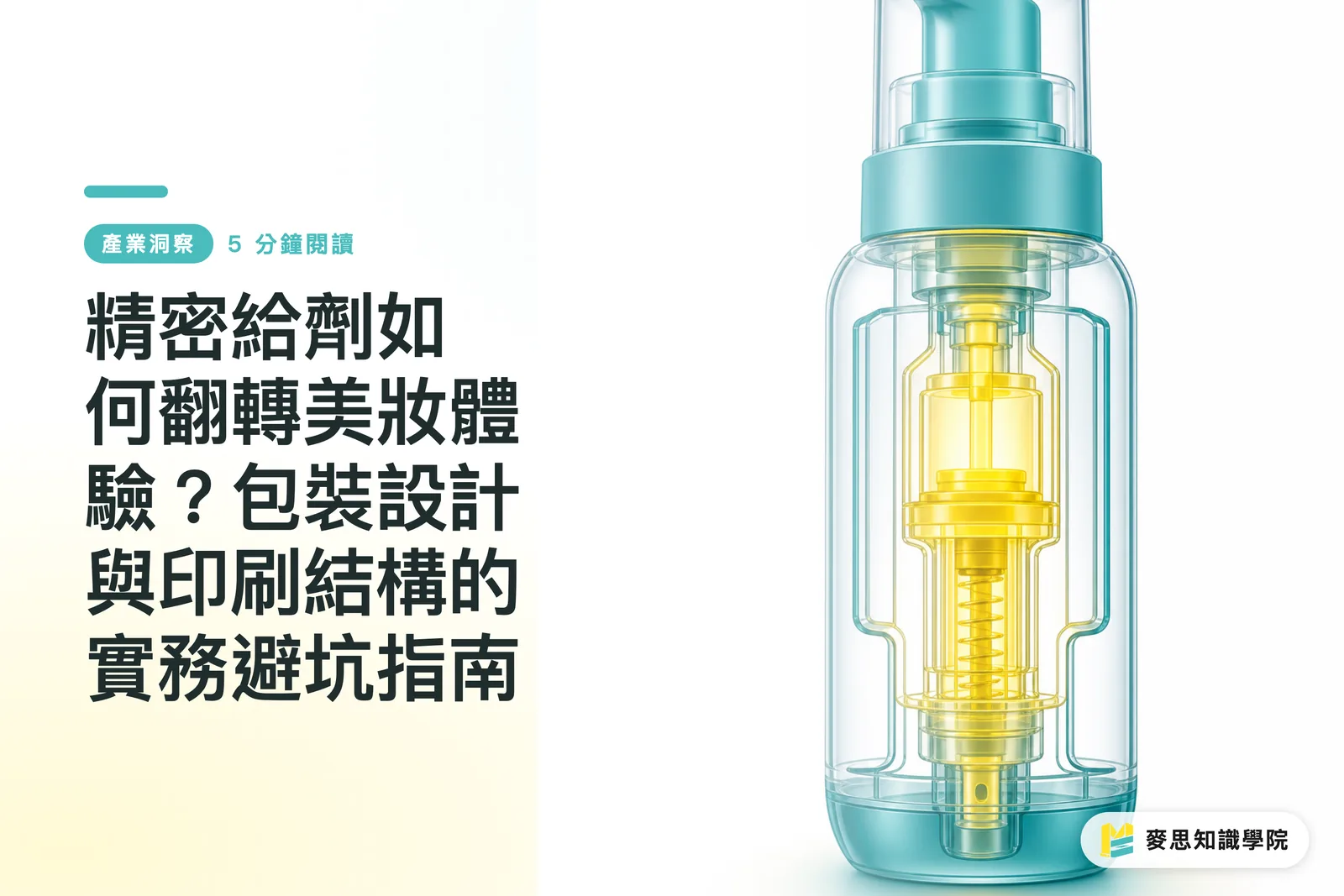
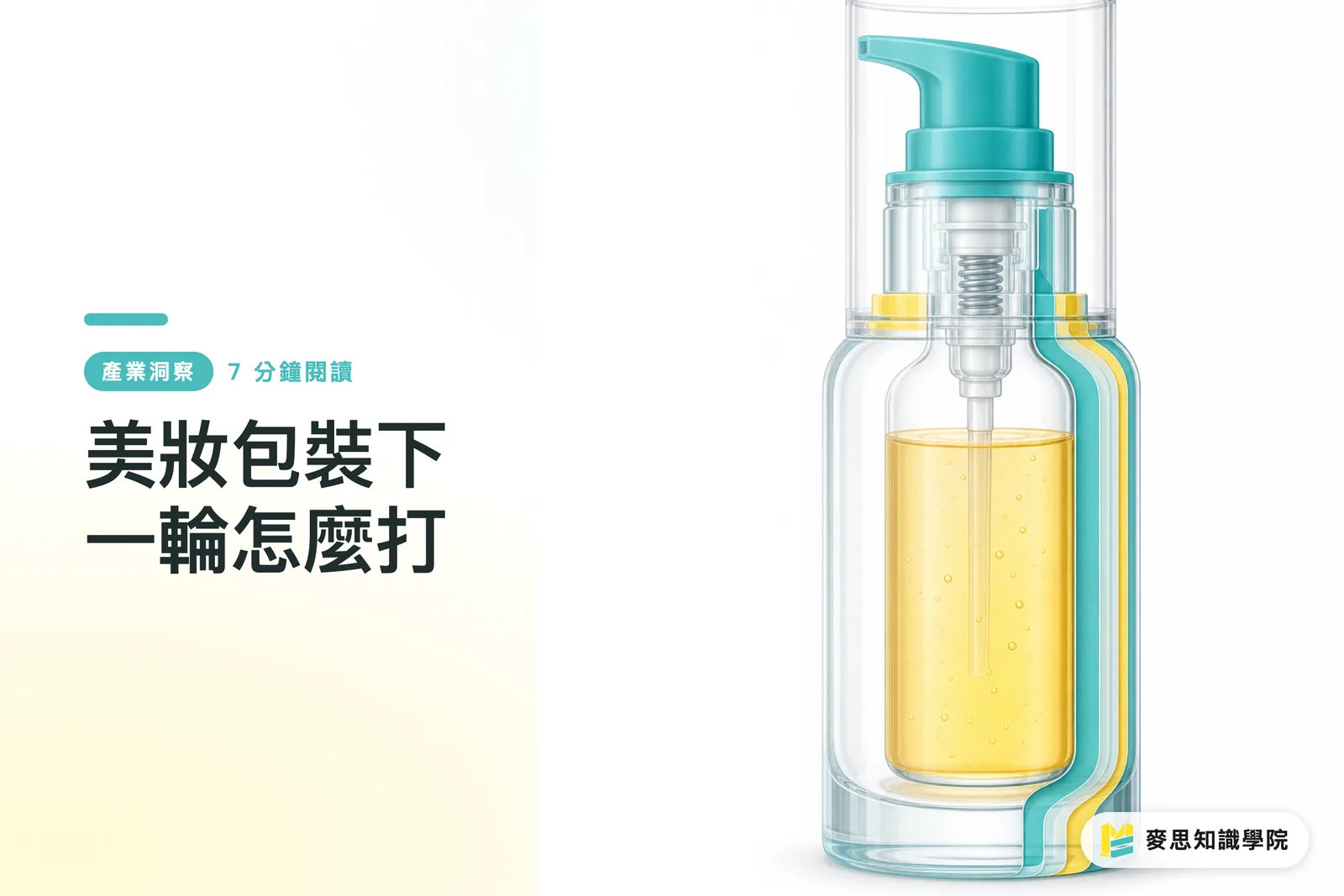
Precision dosing packaging refers to packaging tech that uses specific mechanical structures or sealed dispensing heads to make sure every press releases a fixed dose while keeping the contents away from air contamination. Over the past two years, working with brands and prepress production lines, the Mai Strategy Knowledge Academy advisory team has noticed that a big chunk of complaints around high-activity skincare come from dropper oxidation and dosing inaccuracy. The competitive battleground in beauty packaging has long since shifted past the look of the bottle, and now starts upstream with the integrated decisions around samples, pump heads, refills, and surface finishing
Why does high-activity beauty skincare need to move to precision dosing packaging?
High-concentration vitamin C or peptide formulas are brutally sensitive to air and contamination. Every time you use a traditional open dropper, the formula is exposed to air once more
When consumers squeeze the dropper bulb themselves, dosing is pure feel, which leads to waste from taking too much or weak results from taking too little
The NeoDropper tech that Aptar co-developed with the clinical-grade brand Dermalogica exists to solve exactly that long-standing pain point (see the Aptar and Dermalogica partnership coverage)
The structure uses a fixed-volume chamber so every press delivers a set number of drops, and blocks outside air from flowing back in
When the package can stably protect active ingredients and give a consistent feel in hand, the package stops being a passive container and starts being part of the product experience itself
How does NeoDropper solve dosing accuracy and air protection at the same time?
Doing anti-contamination well in traditional packaging usually means layered plastic valves or complex parts, which jacks up production cost and recycling headaches down the line
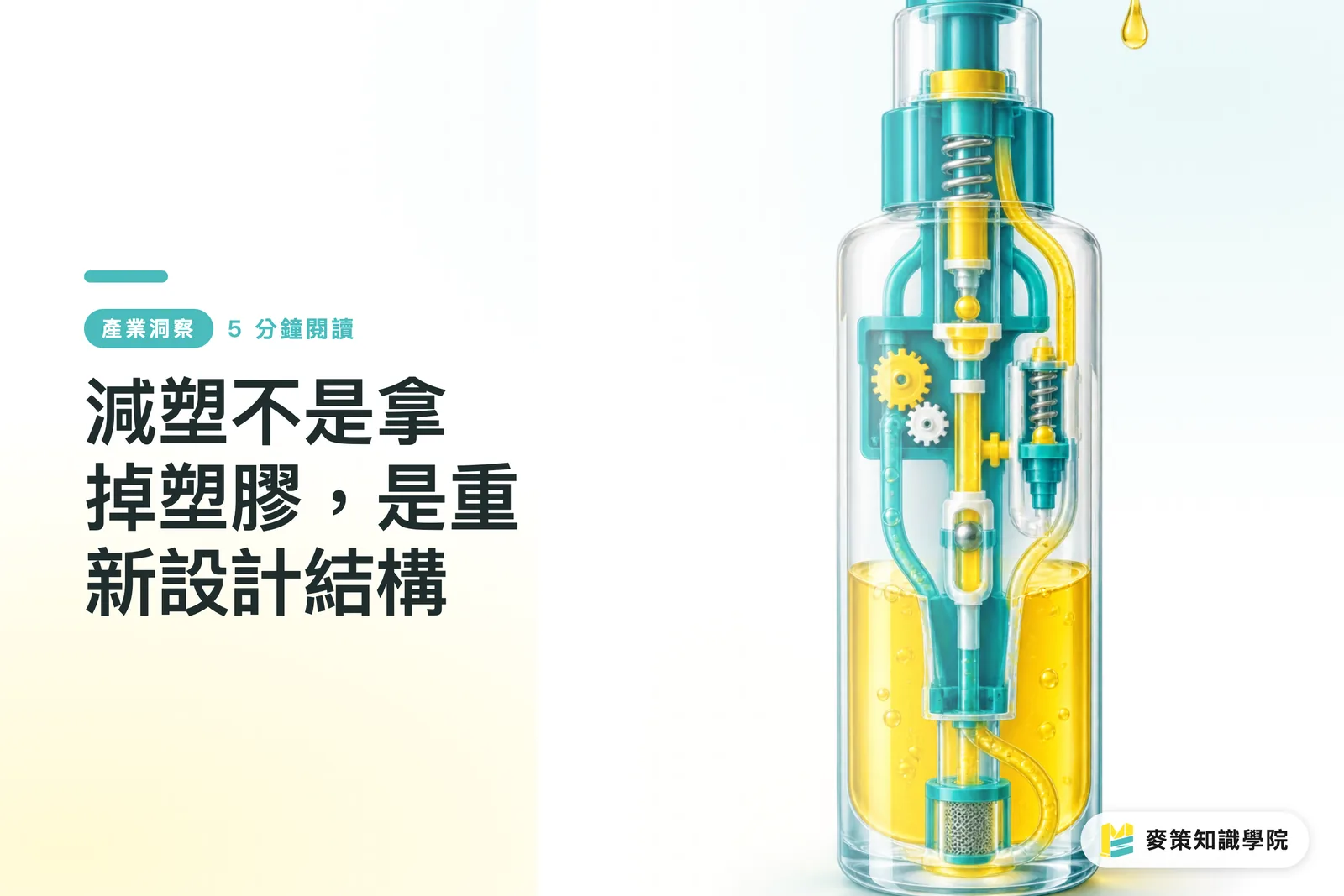
The core of NeoDropper's mechanism is simplifying the fluid path, folding a one-way valve and a micro-dosing chamber into a single dispensing head
Hold on
A mechanism that looks slick on paper is one thing. Whether it assembles cleanly on the line is another story
The accuracy of a dosing mechanism comes down to:
・Matching the outlet diameter to the liquid's viscosity
・Tuning the spring force behind the press head's rebound
・Holding tight tolerance where the bottle threads meet the press head's snap-fit
・Keeping the anti-backflow valve sealed after repeated use
If any one of those slips, the product can leak in transit, or lose its fixed-dose function after the tenth use
Where do sustainable materials and precise dosing mechanisms clash in prepress structure?
When a brand demands both 100% recyclable paper materials and a precise dosing head, that PO usually becomes a real test for the prepress structural design
The fiber toughness and moisture resistance of eco-friendly paper stock is different from traditional all-plastic packaging. If the outer box's inner insert can't precisely hold a heavier dropper pump head, the head can easily shift or deform during shipping
From the perspective of mid-to-high-end fully customized commercial printing on the floor, MINDS Printing often reminds designers that you can't just judge from a static sample
The packaging structure has to take the impact of mechanical gripping and capping on an automated filling line
Pitfalls the print and packaging floor sees all the time:
・Thickness tolerance in coated board and corrugated inserts changes how the slot grips
・Repeated open-close on refill structures wears out the paperboard structure
・When you remove plastic parts, the replacement material can't deform the pump head under pressing
・Low-impact decoration processes have to stand up to solvent attack from product overflow
How should print shops and brand designers run the three-gate handoff?
To get a precision dosing package onto the line without drama, brands, designers, and the print shop have to stop working in silos
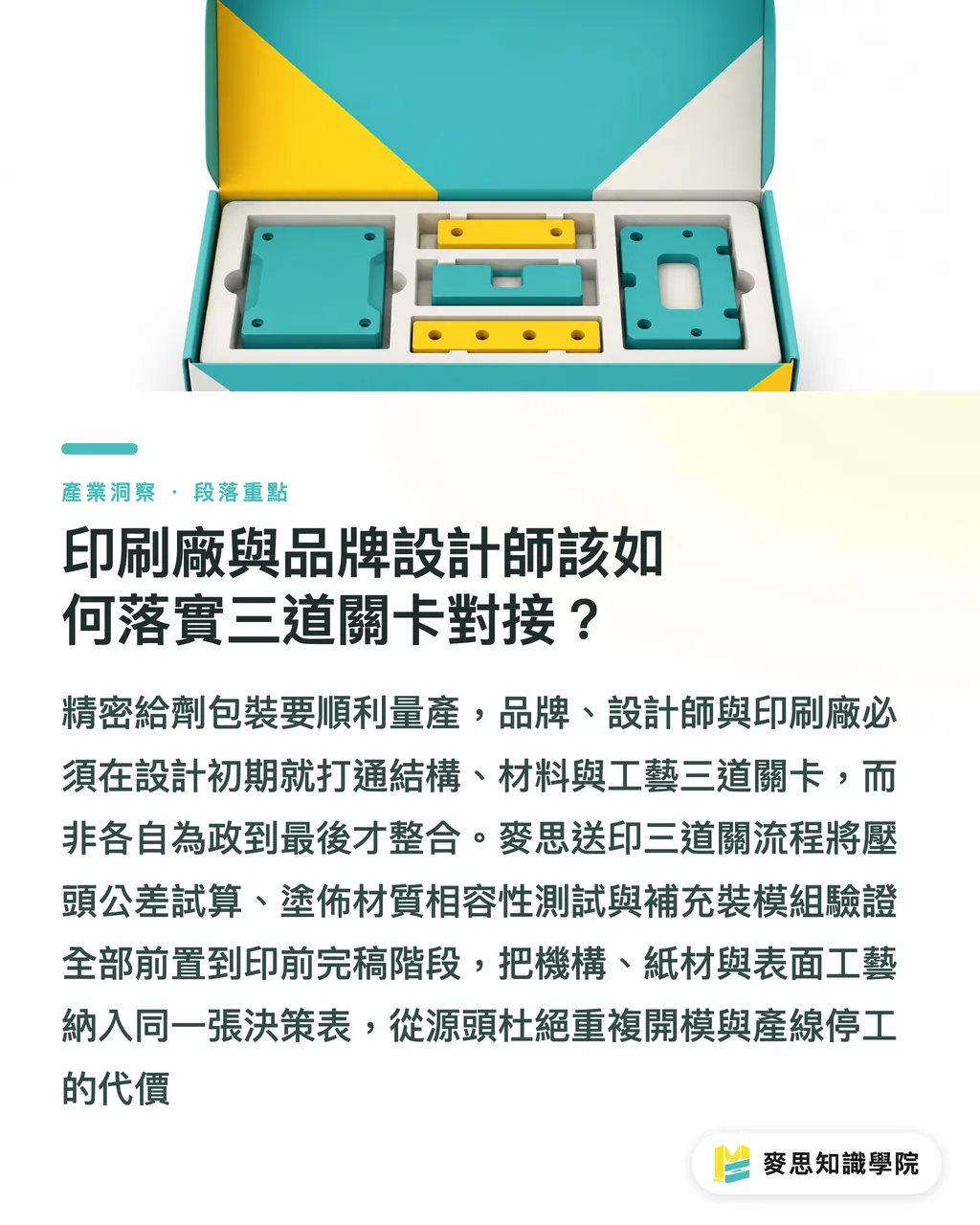
We suggest using the three-gate structural validation workflow that MINDS Printing (MSI) sends to print, folding prepress file prep and packaging mechanics together from the start:
・① Pre-calculated structural pressure and tolerance: during prepress file prep, calculate the dimensional tolerance between the dispensing head and the insert slot in the outer box to prevent shifting in transit
・② Compatibility test for sustainable stock and surface finishing: confirm that coated board and low-impact finishes hold up against the grip and abrasion on an automated packaging line
・③ Refill and multi-component modular validation: test structural strength and hand-feel stability when consumers repeatedly swap in refills
Simple
Put the dispensing mechanism, paper structure, and surface finish into a single decision table, and you skip the heavy cost of re-tooling and line downtime
Key Takeaways
・Precision dosing tech lifts packaging from a plain container into an extension of the product's performance
・NeoDropper balances fixed-dose delivery and air protection with a one-way valve and a micro chamber
・Sustainable paper outer boxes need upfront tolerance and shock-absorption design for heavy dispensing heads
・Brands and print shops should decide on refill structures and surface finish together early in the design
・Running structural tests before sending to print cuts line-assembly leaks and returns
Bigger Picture
Looking at how beauty packaging has evolved over the past few years, flashy surface finishing alone doesn't win over a brand with sharp eyes anymore. The pairing of precision dosing mechanisms with sustainable paper stock means packaging design has entered a battlefield of micro-structure and material mechanics. For Taiwan's small and mid-size print shops and packaging designers, competitiveness is no longer just about how accurately you print. It's about whether you can deliver a complete packaging solution at the prepress stage that covers mechanism tolerance, paper protection, and line assembly
Further Reading
FAQ
- What is precision dosing technology in beauty packaging?
- Precision dosing refers to packaging structures that use a sealed dispensing head or a micro-volume chamber so every press delivers a specific dose while keeping air contamination out
- Why does precision dosing packaging need a specific paper box structure?
- Precision heads and glass or thick-walled bottles are heavy, so the outer box and inner insert need tight tolerance and shock-absorbing slots to keep the head from shifting and causing leaks during shipping
- What's the most common issue brands hit when developing refill and precision pump packaging?
- Repeated open-close on the refill wears out the paperboard structure, and plastic-to-material swaps can leave the replacement material too weak to keep the dispensing head sealed under pressing
Related articles


The Print × AI weekly
The print and AI know-how designers, brands and enterprises can use before they commit — one email, every week
MINDS Free Tools
AI background removal, a LINE sticker maker, spine & imposition calculators — all free, right in your browser, no upload.
MINDS Group
Need actual printing or gifting services?
From premium printing to online ordering and festive gifts — the MINDS Group sister brands take it from here.