
What Perception Does This Global Campaign Aim to Change?
World Packaging Day aims to shift the narrow view that packaging is merely waste. It helps people see what packaging actually does for safety, preservation, logistics, and quality of life
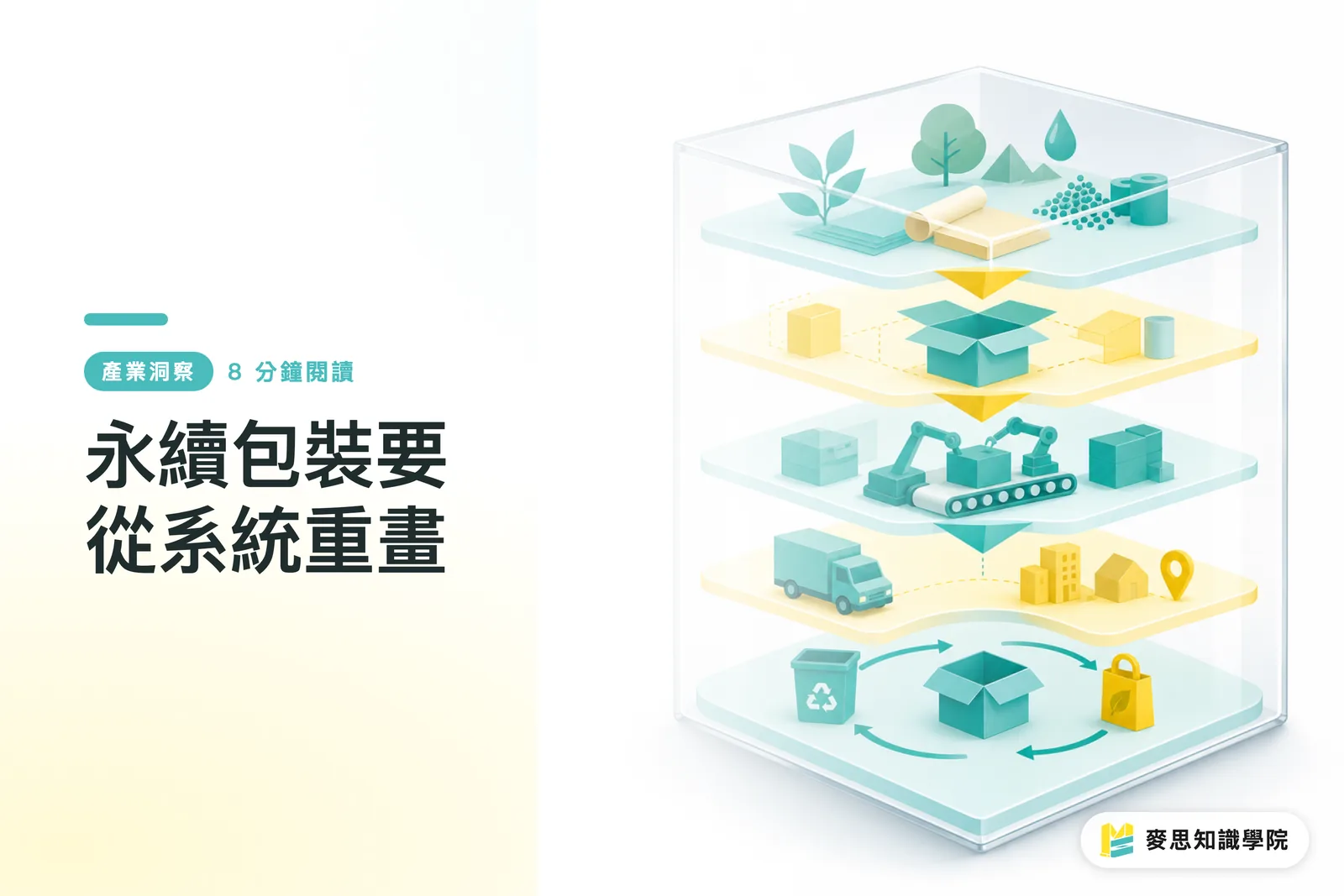
Packaging sustainability means cutting overall resource consumption and waste burdens across materials, design, manufacturing, use, and recycling, all while keeping the product safe and functional
The WPO created this global initiative, establishing September 6 as World Packaging Day. Packaging Insights reported on September 4, 2026, that the campaign aims to raise global attention on packaging sustainability, with the WPO encouraging conferences, educational events, and plant tours worldwide. For details, see World Packaging Day: WPO launches global campaign to raise packaging awareness
I think this perspective is grounded and practical. Packaging takes on real responsibility before a product even leaves the factory: it helps goods arrive safely, preserves quality, supports logistics, and cuts damage. The four themes set by the WPO are packaging for progress, packaging against food waste, packaging and economic growth, and packaging and sustainability. That lineup reminds brands that sustainability cannot be reduced to swapping out a single packaging material
How Does Packaging Sustainability Work, and Why Isn't Changing Materials Enough?
Packaging sustainability requires evaluating product tasks, material structure, print converting, and end-of-life disposal together. Simply switching to a material that looks greener does not mean the overall solution is actually better
Do not rush to switch to paper just yet
Brands often pick a material first, only to ask later whether it can protect the product, run through converting lines, and enter real recycling streams. The WPO pointed out at Interpack 2026 that mono-material design (building packaging from a single material type to simplify sorting) must still balance packaging waste against food waste
Extended Producer Responsibility (EPR) makes producers accountable for packaging after use, directly influencing material choices, labeling, and recycling plans
・Define the product's job first. Packaging must protect safety, shelf life, logistics, or user convenience before reduction targets can have clear boundaries
・Next, verify materials, printing, post-press finishing, target markets, and recycling documentation together so your sustainability claims hold up
Which Decisions Should Taiwanese Brands Review First?
Taiwanese brands must first define what core product value the packaging needs to protect before talking about material reduction, substrate switches, or sustainability messaging. That prevents unexpected costs and risks from surfacing once mass production starts
For brand owners, packaging sustainability cannot simply be handed off to designers or buyers. The brand needs to state clear requirements for shelf life, transport, display, and usage contexts first, so design and print teams work off the same design brief. Food packaging demands special care: saving a bit of packaging material is not worth it if product spoilage climbs as a result
I break the evaluation into three questions so your price quote, dieline, and sustainability copy stay aligned
・How long must the product be protected, and what shipping conditions will it face? That dictates why structural and material choices cannot be judged on unit price alone
・How will consumers handle, disassemble, and dispose of it after purchase? That directly shapes how disposal instructions should be labeled
・Which markets will the brand sell in, and what proof can suppliers provide? That determines whether a claim can legally and credibly go onto the packaging
How Can the Mai Strategy Three-Gate Print Check Be Applied to Procurement?
The Mai Strategy Three-Gate Print Check places sustainability reviews before quoting, before proofing, and before mass production, helping brands uncover risks before committing major production budgets
・1. Ask about the mission before quoting: state clearly whether the packaging needs moisture resistance, impact protection, extended shelf life, or just short-term shelf display, so material reduction does not shift damage risk onto the product
・2. Ask about structure before proofing: verify substrates, mono-material design, coatings, adhesives, inks, and post-press finishing, reviewing them right alongside the dieline (the template indicating cut and fold lines)
・3. Ask for evidence before mass production: gather material data sheets, print specifications, target markets, and sustainability copy into a single record, holding off on unverified "recyclable" claims
Proofing is not just about checking color and appearance. It is also the moment to verify material declarations, structural feasibility, and press runnability. For custom branded print proofing, consider evaluating MINDS
How Should Sustainability Copy Be Written to Align with Consumers and Regulations?
Sustainability messaging needs to explain verifiable design choices clearly and drop vague buzzwords like "eco-friendly." Consumers should know why the package was designed this way and how to dispose of it after use
The WPO describes World Packaging Day as an occasion for global collaboration, encouraging conferences, educational events, plant visits, sustainability initiatives, and innovation showcases, all unified under the #worldpackagingday hashtag. Brands can use this moment to get buyers, suppliers, and consumers speaking the same language
・Explain the protective role of the packaging clearly, rather than treating material reduction as an unconditional win
・List materials, converting processes, and regional limitations explicitly, instead of claiming something is "recyclable" everywhere
・Detail post-use disposal steps so on-pack guidance aligns with supplier documentation
If your team needs to translate packaging trends into procurement specifications, design review checklists, and public messaging, consult the Mai Strategy Knowledge Academy consulting team to build a clear, traceable decision record
Key Takeaways
・Packaging sustainability must balance product protection, print converting, and end-of-life disposal, not just swap materials
・The value of World Packaging Day lies in shifting the packaging conversation away from mere waste and back toward product safety and resource responsibility
・Setting checkpoints across quoting, proofing, and mass production prevents brands from scrambling to fix sustainability issues after finished goods ship
・Green claims that lack material evidence and clear disposal guidance end up hurting brand trust first
Further Considerations
Printers and converters should consolidate materials, printing, finishing, and supplier certifications into a single specification sheet. When designers draw dielines, they should record product protection needs and post-use pathways at the same time. AI works well for organizing design briefs, comparing revisions, and flagging missing source fields, but it cannot replace supplier verification or legal review. SaaS (Software as a Service) is ideal for archiving material declarations, proof approvals, and version histories. The next step is straightforward: pick an upcoming packaging revision and run it through the Mai Strategy Three-Gate Print Check
Further Reading
FAQ
- What Is World Packaging Day?
- World Packaging Day is a global collaborative initiative established by the World Packaging Organisation (WPO) on September 6. It uses industry, educational, and public events to discuss packaging sustainability, safety, food waste reduction, and economic impact
- Does Less Packaging Always Mean More Sustainable?
- No, packaging must also handle product protection, preservation, transport, and consumer safety. At Interpack 2026, the WPO reminded the industry to weigh packaging waste against food waste, emphasizing that reduction cannot happen at the expense of what the package needs to do
- How Should Taiwanese Brands Begin Evaluating Sustainable Packaging?
- Apply the Mai Strategy Three-Gate Print Check: define product tasks before quoting, confirm materials and structure before proofing, and verify supplier documentation alongside sustainability copy before mass production. Keep traceable specifications at every gate
- How Can Brands Prevent Sustainability Claims from Misleading Consumers?
- Avoid relying solely on vague terms like "eco-friendly" or "recyclable." Spell out the exact materials, converting processes, post-use handling, and regional applicability. If a claim lacks verifiable evidence, do not print it on the package
- How Can AI or SaaS Help with Packaging Sustainability?
- AI is well-suited for organizing specifications, comparing design versions, and flagging missing fields. SaaS is effective for archiving material declarations, proof approvals, and version histories. Final recycling and compliance determinations must still be confirmed by brands, suppliers, and qualified specialists
Related articles



The Print × AI weekly
The print and AI know-how designers, brands and enterprises can use before they commit — one email, every week
MINDS Free Tools
AI background removal, a LINE sticker maker, spine & imposition calculators — all free, right in your browser, no upload.
MINDS Group
Need actual printing or gifting services?
From premium printing to online ordering and festive gifts — the MINDS Group sister brands take it from here.