
Finishing & Crafts
Foil, emboss, die-cut, coating, binding — finishing that elevates the piece
- Audience
- Designers・Brand Owners・Packaging Buyers
- Foil Stamping
- Embossing
- Debossing
- Die-Cutting
- Spot UV
- Laminate Films
- Laser Engraving
- Binding
- Premium Finishing

Foil Misregistration, Flat-Looking Embossing? A Senior Consultant's Guide to Avoiding Finishing Pitfalls
Clients often stare at proofs and ask, "Why does it feel like something is missing?" In many cases, the design is not the problem; the finishing specs are simply too vague. This article breaks down the physical limits of foil stamping and embossing from a production-line perspective, helping you communicate with printers in standardized, precise language

How to Layer Foil Stamping, Embossing, and Spot UV
Finishing effects can be stacked, but every pass tests the order, adhesion, and registration. This piece uses what actually happens on the press floor to break down the compatibility, visual differences, and added cost of foil stamping, embossing, and Spot UV, so designers can make steadier choices within budget

Premium-Priced Design from $0 to $100,000: Spending Packaging Budget Where It Counts
When a product cannot command a better price, the problem is often that the packaging is not helping you persuade the customer Seen from the print floor, this piece breaks down how designers and brands can use low-cost finishing and precise material choices to create the visual magic of a high-ticket product

How to Combine Spot UV and Lamination for a Premium Look? A Senior Consultant's Guide to Bulletproofing Your Print Files
Why does the Spot UV that looks so striking on screen turn out flat and misaligned when printed? From a production line perspective, this article breaks down the interaction between Spot UV and various laminations, teaching you how to spend your budget on the textures that actually show

What C&T Matrix's CAD Room Supplies Update Means for Die-Making
C&T Matrix recently updated its CAD Room Supplies line. On the surface, it looks like a simple product update, but it addresses the exact bottlenecks die-making shops face every day: drawing accuracy, reliable patching, and fast revisions. This article breaks down how Triplex Patch-Up Paper, Synthetic Patch-Up Paper, and Drafting Film impact die design, prototyping, and make-ready from an operational perspective

Planning Hot Foil Stamping and Embossing in Register
The trouble with hot foil stamping plus embossing in register isn't that the press can't do it, it's that the design file pretends misalignment doesn't exist. This article walks through handoff, plate-making, registration, paper, and proofing so designers can tell which details are doable and where to change the artwork early

Gloss, Matte, or Soft-Touch: A Buyer's Guide to Lamination Films (and How to Avoid Disaster)
Lamination is the unsung hero of post-press finishing, great for protection and a premium feel, but pick wrong and your design loses its soul. Here's a hands-on breakdown of texture differences, finishing compatibility, and the most common mistakes, so your next print job is a confident one, not a coin flip

Choosing Specialty Binding: Decision Logic for Exposed Spine, Thread-Sewn, Spiral, and Hardcover
Pick the wrong binding, and even the best design cannot save it. This guide breaks down four advanced binding methods (exposed spine, thread-sewn, spiral, and hardcover) across five criteria: lay-flat ability, durability, handling frequency, budget, and brand feel. It also explains how to match your page count and gutter margins

2026 Calendar Print File Guide: Triangle Desk Calendar and Wall Calendar Die-Cut Pitfalls to Avoid
June through August is the critical window for companies to prepare next year's calendars. This article breaks down the most common blind spots in production, from nailing physical specs to downloading die-cut files, so you end up with a calendar that looks sharp and actually writes well
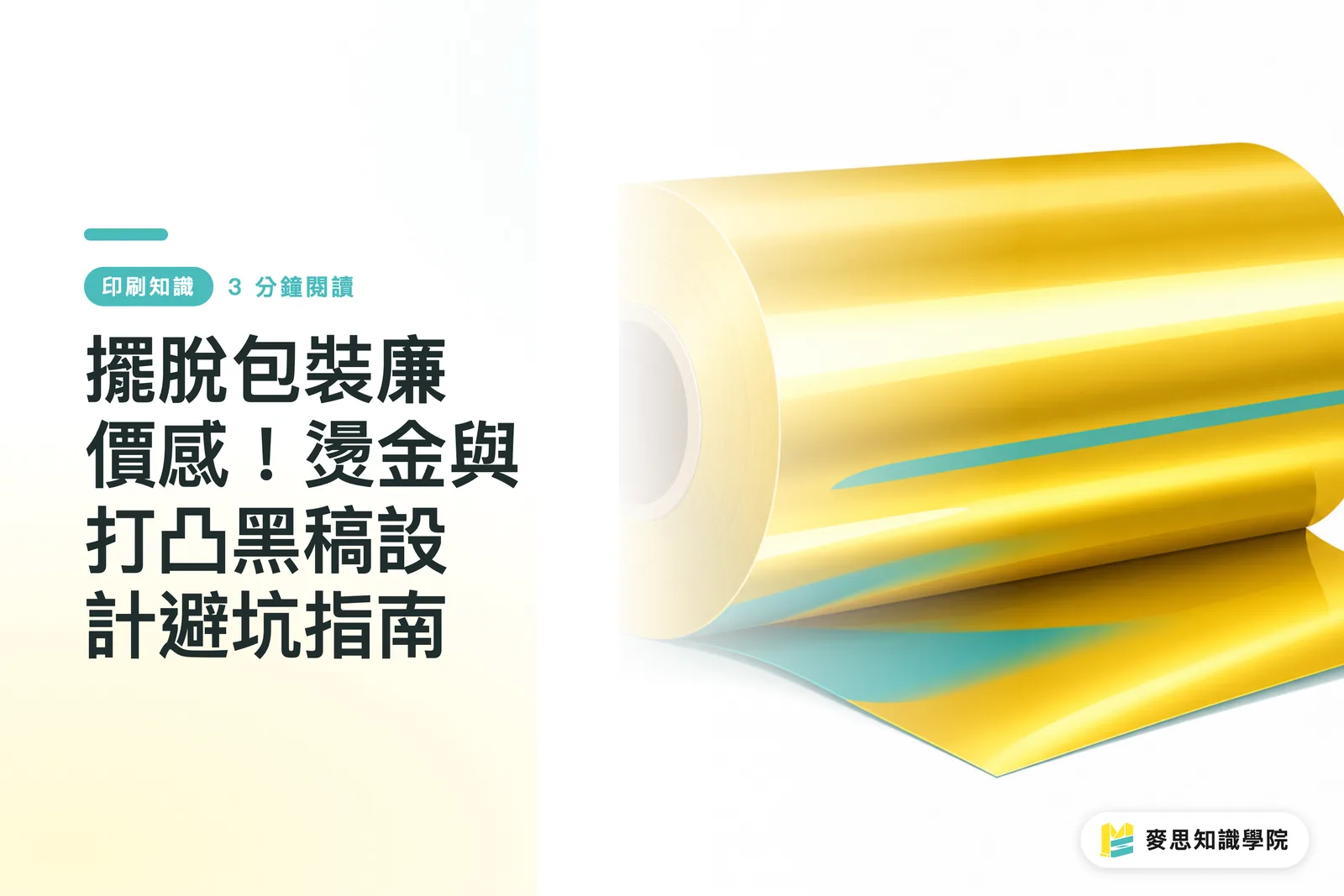
Shake Off Cheap-Looking Packaging: A Pitfall Guide for Foil Stamping and Embossing Black Artwork
When packaging does not look premium enough, the issue often is not the design itself. It is missing that final, decisive finishing step Here, I condense more than a decade of production-line experience to walk you through foil-stamping and embossing black artwork setup from scratch Get clear on material choices, and avoid the traps that cause blurred plates or unprintable files

Finishing That Actually Delivers the Feel
Same business card, same box, same invite card, why does one feel weightier than another? The difference usually lives in the finishing steps after the press stops. This piece breaks down varnish, foil stamping, embossing, and die cutting from the press-floor perspective, so you know where the extra budget actually earns its keep and how to prep files to avoid rejections

Replacing Laser Seals with a Single Chip: Hands-on Strategies for NFC Tamper-Evident Packaging
Anti-counterfeiting technology is evolving from surface stickers to embedded packaging structures. Dissect Pragmatic's latest NFC tamper-evident chip technology and explore how Taiwanese printing plants can use it to capture high-margin orders

Choosing Hardcover, Perfect Binding, or Saddle Stitch: A Page-Count Decision Tree for Binding
Choose the wrong binding method and even the most beautiful design cannot save the project. At best, the file gets rejected and reworked; at worst, the entire finished batch will not lay flat, or the spine starts cracking. This article uses page count as the main axis to build a decision tree, helping designers and procurement teams choose the right direction before requesting quotes, saving time and budget otherwise lost to trial and error

A Guide to Packaging Carton Design Standards and Material Selection
When a paper box fails, it is often not because the design looks bad, but because the wrong material was chosen, the structure was not properly calculated, or the dieline did not align with the print. Drawing on years of experience on production lines and with clients, this article lays out the key points of material selection, structure, finishing, and proofing so you can avoid costly reprints

How to Submit Laser Engraving Artwork Without Rejection: A Complete Guide to Materials, Files, and Communication
For a first laser engraving project, the biggest fear usually is not failing to create the design. It is sending the artwork to the vendor and getting stuck when they reply, "This cannot be cut like this." This guide starts with file submission formats and walks through material behavior, layer setup, and how to communicate engraving depth, so you can speak the vendor's language and avoid unnecessary back-and-forth

Design Stickers Yourself or Hire a Printer? Materials, Tools, and Costs Laid Out Clearly
Designing stickers yourself looks cheaper, but in practice you often save on design fees and lose more on materials and time This article looks from the production floor and lays out DIY versus outsourced materials, tools, and costs all at once So before you hit print, you can work out whether the numbers actually make sense
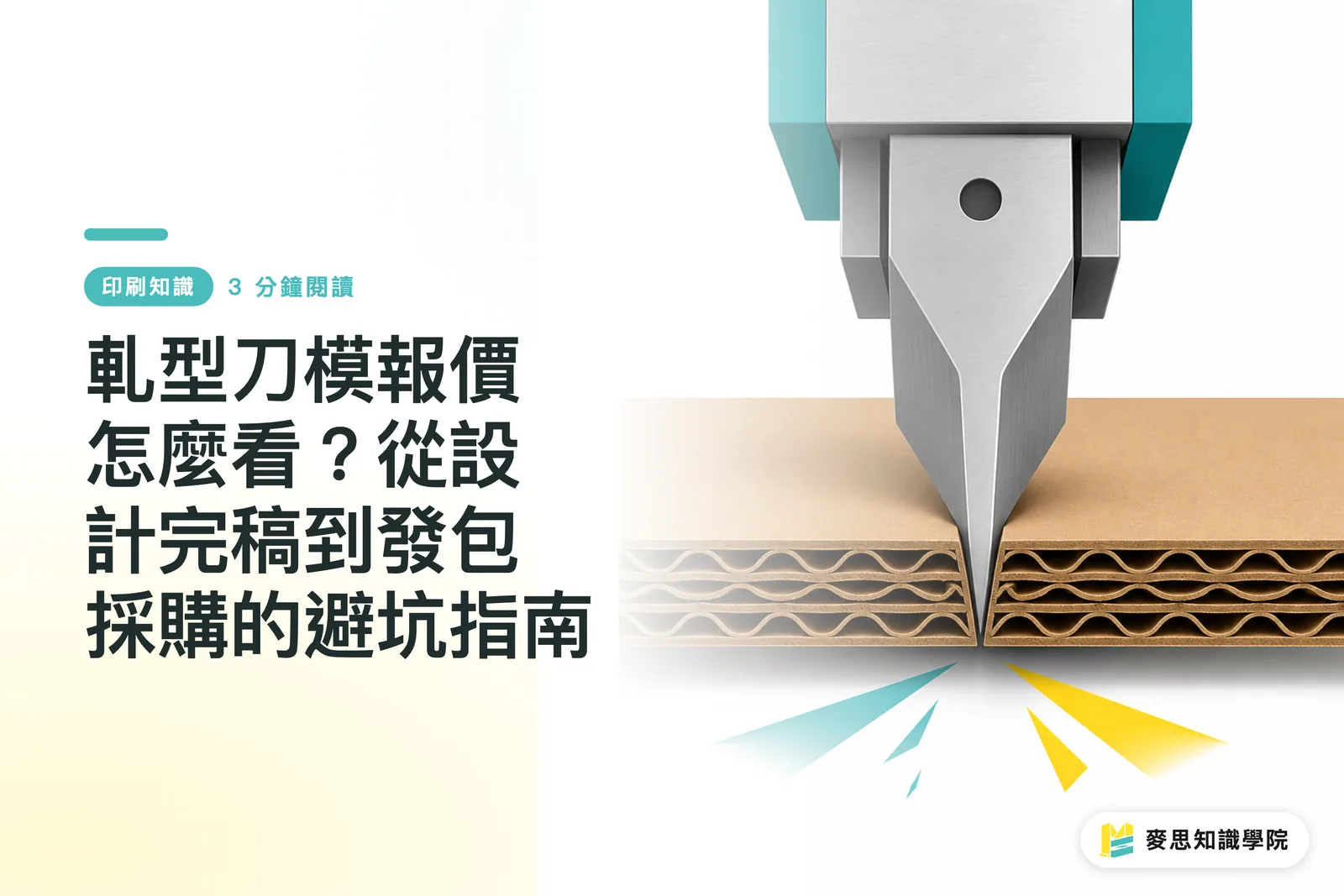
How to Understand Die-Cutting Quotes? A Guide to Avoiding Pitfalls from Design Finalization to Procurement
A single misdrawn line on a dieline can ruin an entire batch of packaging. Drawing on over a decade of production line experience, this guide breaks down die-cutting cost logic and finalization pitfalls to help designers succeed and procurement professionals maximize their budget
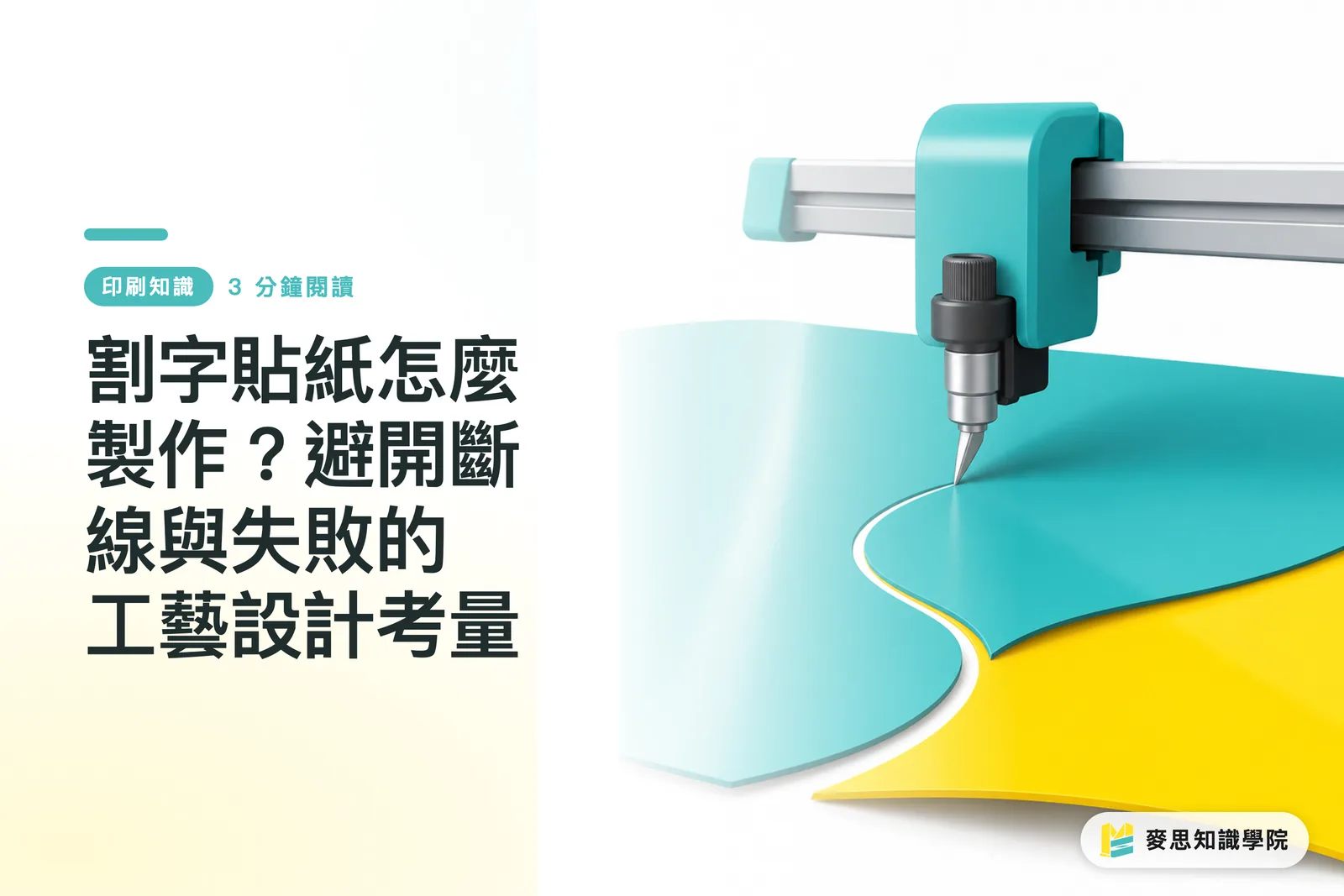
How Are Cut Vinyl Stickers Made? Design Considerations to Avoid Breakage and Failed Cuts
Vinyl cutting isn't as simple as sending a file to the machine, line weight and corner design determine yield rate and cost. This piece breaks down how computer-controlled cutting works from a production standpoint, so you don't waste money on reprints

Sticker Printing Explained: How to Choose Materials and Finishes to Cut Costs
Struggling to pick the right sticker materials and finishes? Drawing from my decade of hands-on factory experience, I will break down sticker printing costs and show you how to avoid common pitfalls. Once you understand material traits and production limits, you can get the exact premium look your packaging needs

A Senior Consultant's Guide to Binding Decisions: How to Choose Between Saddle Stitching, Perfect Binding, and Hardcover
The choice of binding directly determines the visual appeal and lifespan of printed materials, while also affecting budgets and production timelines. In this article, I summarize my years of experience on the production line and in print management to help designers and print buyers avoid the most critical prepress mistakes

Graphene Coatings Are Here: The Next Breakthrough for Barrier Properties in Flexible Packaging Films
Nanomaterials have officially entered the commercial packaging space, directly challenging the status of existing multi-layer composite films. This article dissects the new technology from NanoXplore and Techmer PM, and highlights the practical strategies Taiwanese printers should prepare in advance

Misaligned Spot UV: Whose Fault Is It? A Senior Consultant Demystifies Artwork Setup Traps
When clients complain about misaligned Spot UV or poor visual effects, the issue is rarely the machine, it's usually a trap set during prepress file configuration. From a production line perspective, this article breaks down the correct logic for Spot UV artwork setup and common disasters to save you reprint costs at the source

Embossing and Debossing: Achieving Texture Without Compromising Print Quality
Clients often stare at proofs and ask, 'Something feels missing.' The answer often lies in dimensional embossing and debossing. This guide covers the mechanics of male-female dies and design constraints, helping you avoid plate damage and rejections from the source

The Ultimate Guide to Hot Stamping: Crafting Foil Effects and Avoiding File Pitfalls
Hot stamping instantly elevates packaging and business cards, but incorrect files often lead to smudged plates or budget overruns. I've condensed over a decade of production floor experience into this guide to help designers and brand managers understand foil craftsmanship and dodge common traps