
Finishing & Crafts
Foil, emboss, die-cut, coating, binding — finishing that elevates the piece
- Audience
- Designers・Brand Owners・Packaging Buyers
- Foil Stamping
- Embossing
- Debossing
- Die-Cutting
- Spot UV
- Laminate Films
- Laser Engraving
- Binding
- Premium Finishing

Nine Things to Nail Down Before You Quote a Custom Die‑Cut Job
The worst way to quote a custom die‑cut is to ask only, "How much per sheet?" What really drives cost and lead time is the die line, paper thickness, layout, and hand‑stripping. This piece draws on the consulting perspective MINDS Printing (MS) has built up over years of handling stickers, hang tags, folding cartons, and display cards. It lays out the specs you should pin down before requesting a quote, so designers re‑cut fewer dies and buyers stop chasing missing specs back and forth

How to Control Packaging Hot Foil Stamping Costs
Hot foil stamping usually blows its budget not on the foil itself, but when plate fees, area, placement, and rework risk all stack up. This piece breaks down packaging hot foil costs through a procurement checklist, so brands can trade off finish against budget in a steady, repeatable way

How Do You Check Laser Engraving Details? The Complete Process from Sample Approval to File Specifications
Your laser engraving file looks clean on screen, then the proof comes back with blurry lines and charred edges. That gap shows up every month. This article breaks down the logic of checking laser engraving details across three areas, material behavior, file specs, and sample sign-off, so your pre-production approval has real criteria, not just gut feeling

How to Print on a Budget: Cost-Reduction Strategies Through Paper Formats and Shared Die-Cuts
A tight budget doesn't mean you have to settle for a basic design. The key lies in how well you understand the production physics of the print shop. Drawing from over a decade of hands-on experience on the production line and sourcing front, this article breaks down the practical logic of paper formats and shared die-cuts, teaching you how to spend your limited budget where consumers can actually feel it

Spot UV Works Only When Placed Right: Use Visual Hierarchy to Determine What Deserves Enhancements
More Spot UV doesn't mean a more premium look; placing it poorly wastes your budget more than standard printing. This article tackles Spot UV from a visual hierarchy perspective, helping you identify which elements truly deserve it and which ones are just visual noise, while demystifying matte-gloss contrast, registration tolerance, and fine-line traps

How to Fix Misaligned Die-Cuts
Die-cut alignment shifts are the biggest nightmare for custom shape printing, and the issue usually starts in prepress. Written from a production consultant's perspective, this guide breaks down bleed, safety margins, nicks, rounded corners, and layer handoffs so designers can avoid costly reprints

How to Lock Down a Safe Hot Foil Area
The biggest mistake with hot foil is judging it only on screen while ignoring the paper, line work, pressure, and box structure This piece lays out a practical foil-area checklist, written from the perspective of corporate packaging buyers and designers handing off files
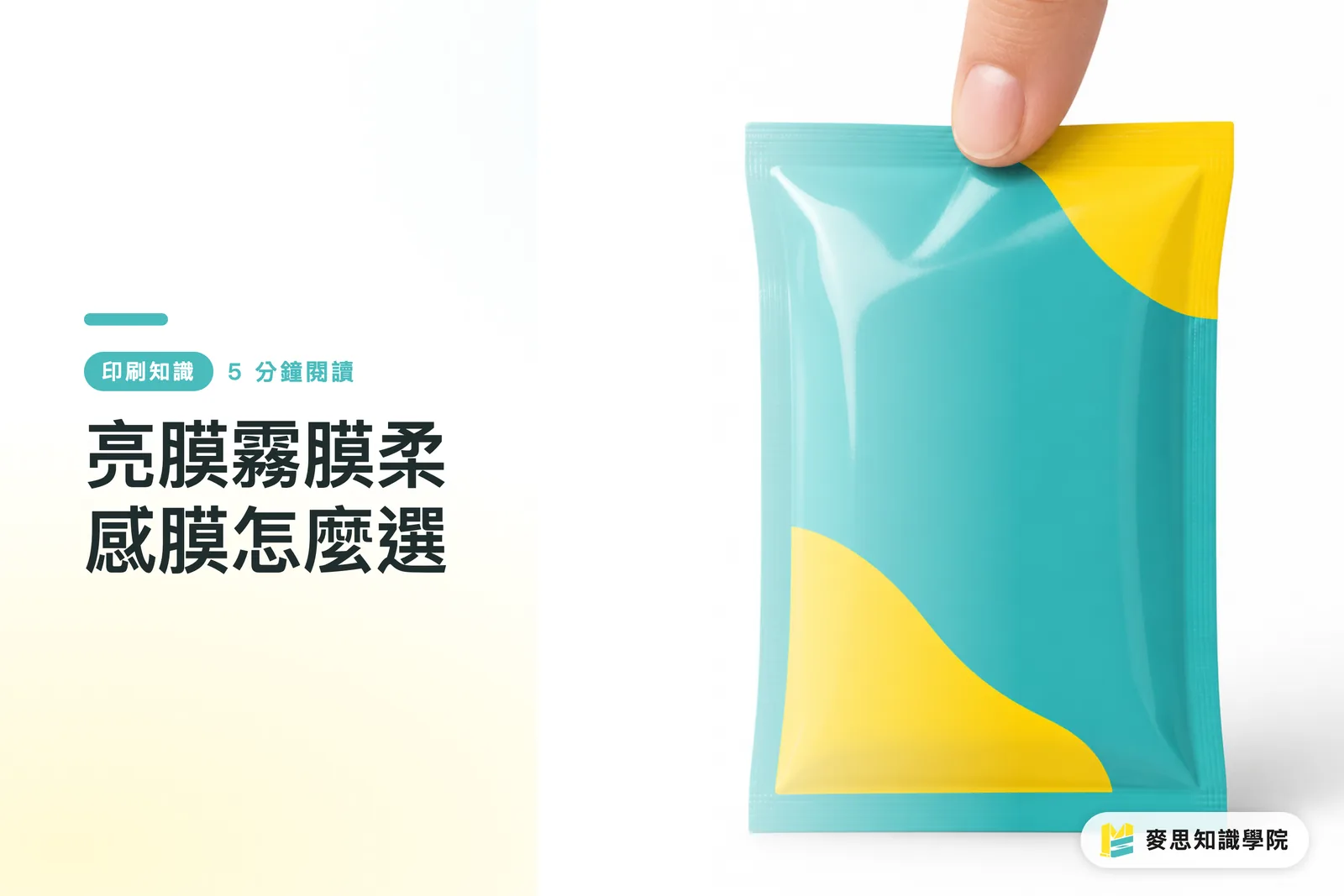
How to Choose Gloss, Matte, and Soft-Touch Lamination
Choose the wrong lamination, and a good design loses on feel, glare, and finishing before it even starts This guide uses decision rules common on Taiwan print floors to help buyers, designers, and brand teams tell gloss film, matte film, soft-touch film, and anti-scratch film apart in one pass

Premium Spot UV File Prep
Spot UV does not feel premium just because you make parts of the artwork shiny. The keys are matte-gloss contrast, mask preparation, and registration tolerance. This article explains Spot UV from a print production perspective: file layering, the risk of 0.5mm misregistration, the 0.2-0.3mm inset method, and how to combine matte lamination, 3D UV, and textured UV
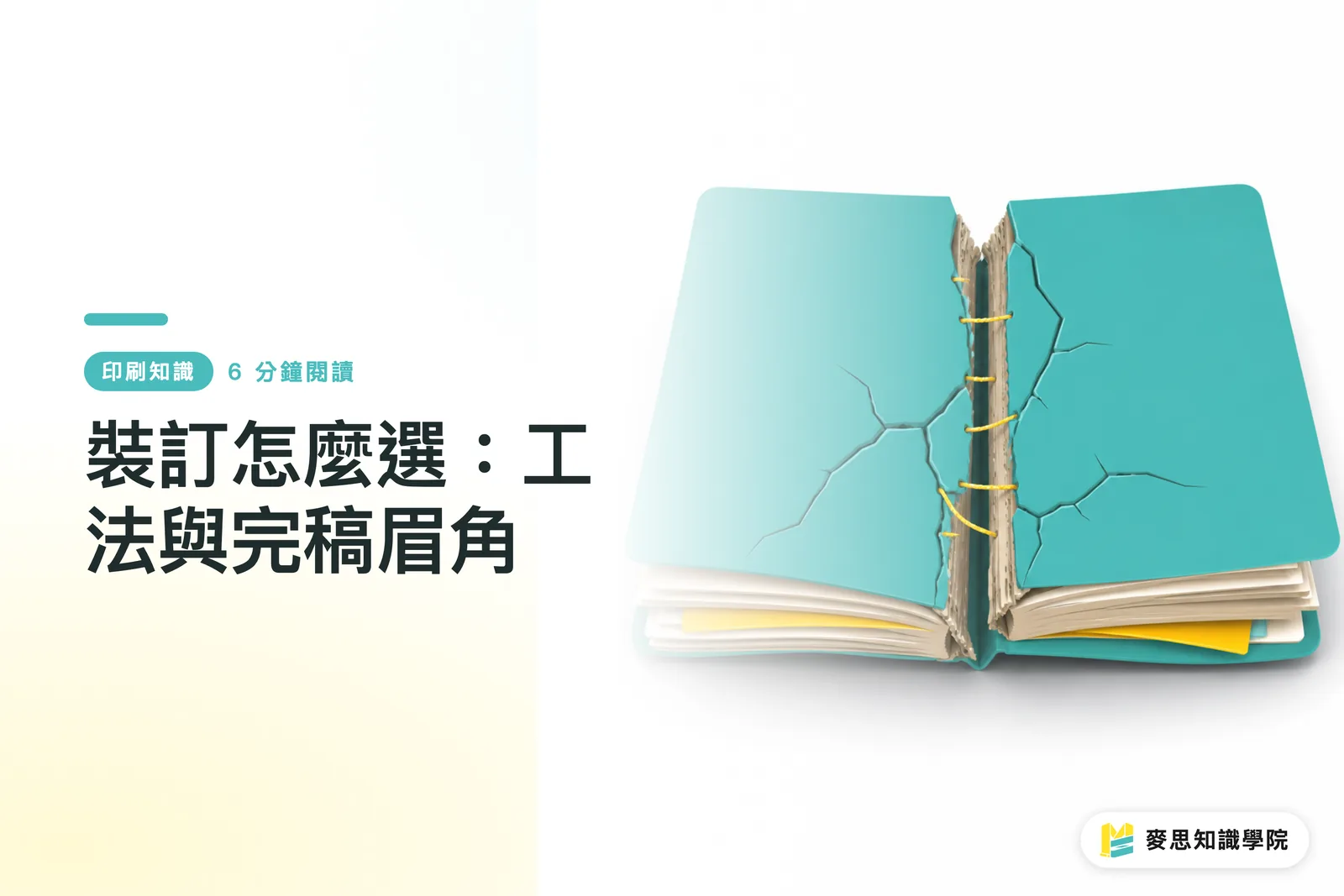
How to Choose Binding: Techniques and Prepress Details
Pick the wrong binding, and even the prettiest design loses points on page-turn feel, spine strength, and budget. This guide breaks down saddle stitching, perfect binding, smyth sewn binding, and wire binding across page count, lay-flat ability, lifespan, and cost, alongside essential prepress details

Die-Cut Checklist for Automatic Cartoning Machines
A great-looking package that won't run on an automatic cartoner will get bounced back by the line as misfeeds, glue failure, and crooked seals. This piece turns the suction-cup, fold-corner, gluing, and grain-direction blind spots designers miss into a die-cut checklist you can run before sending files to press

Clean Edge Painting Guide for Premium Business Cards: How to Avoid Bleed
To get clean edge painting on premium business cards, look at paper thickness, fiber structure, and margins before picking colors or foil. The MINDS (MS) Three-Pass Edge Check catches risks before printing starts. This guide breaks down edge painting and edge foiling from the press room, covering paper thickness limits and how design files can avoid color bleed and costly mistakes

How to Avoid Misaligned Foil Stamping and Embossing
The premium feel of luxury packaging often comes down to the sequence of foil stamping, embossing, spot gloss, and other finishing steps This article breaks down registration risks, process sequencing, and yield assessment for multi-step finishing from a production consultant's point of view, so designers and buyers can think through waste before plates are made

Lay-Flat Binding Guide for Brand Catalogues
If a premium brand catalogue has to open completely flat, binding can't wait until the file is finished. This piece breaks down two methods, exposed-spine sewn binding and Swiss binding, across structure, design limits, finishing checks, and what to say to your printer

How to Avoid Burn Marks in Paper Laser Engraving
When laser cutting hits paper, edge burn and a faint burning smell are nearly impossible to eliminate completely. What designers can do is turn the char into a controllable design language. This article covers artwork setup, paper selection, and proofing judgment, so your next laser-engraved paper piece goes wrong less often and lands more refined

Dark Packaging Covered in Scratches? A Procurement and Pitfall Guide to Scratch-Resistant Matte Film and Soft-Touch Film
A single scratch on a large dark-print run can sink a packaging project worth hundreds of thousands. This guide cuts through scratch resistance, color rendering, and budget to lay bare the temperaments of standard matte film, scratch-resistant matte film, and soft-touch film, so you can find the perfect solution for premium packaging

Does a More Complex Shape Mean Better Design? A Senior Consultant's Dieline Guide to Preventing Tears, Saving Paper, and Cutting Costs
Many people assume that the more unusual a package shape is, the better it will grab attention. Drawing on more than a decade of frontline production experience, this article breaks down the hidden losses caused by die-cutting complexity and shows how rounded corners, shared dies, and imposition strategies can help you spend every dollar where it matters most

Do Your Paper Boxes Keep Cracking and Showing White After Die-Cutting? A Senior Print Consultant's Guide to Avoiding Pitfalls
When a paper box fails, the problem is often not the design itself, but a conflict between the paper stock, structure, and die on the production line This guide breaks down the physical causes of die-cutting failures, from paper grain direction to die settings, so you can avoid more costly reprints

What to Check in Special Finishing Proofs? A Field Guide to Foiling, Embossing, and Die-Cutting
Looks stunning on screen, comes out nothing like it in print. Written from a production veteran's perspective, this guide walks you through exactly what to examine in digital proofs, blank dummies, and finishing samples, so your finishing budget actually translates into tactile quality you can feel

Why Does Your Foil Stamping Smudge or Flake? A Prepress Guide to Large Solids and Fine Lines
Foil stamping looks sharp on screen, but on the press line it often smudges or flakes off. The culprits usually come down to type size, paper texture, and K100 prepress settings. Drawing on over a decade of pressroom experience, this guide helps designers and buyers master hot foil stamping so you can avoid rejected files and budget overruns before submitting artwork

Choosing Laser Engraving Nameplate Materials: A Senior Consultant's Practical Guide to Pitfall Prevention and File Preparation
When outsourcing laser-engraved nameplates for the first time, the biggest fears are charred edges or blurred, illegible fine text. Drawing from production line experience, this article breaks down the engraving characteristics of metal, wood, acrylic, and leather, clarifying file specifications and material pitfalls once and for all

How to Choose a Metallic Finish: Production Pitfalls in Hot Stamping, Cold Foil, and Metallic Ink
Metallic shine can instantly lift the perceived quality of packaging, but the wrong process often leads to plugged plates, foil flaking, or blown budgets. This article condenses more than ten years of production-floor experience and walks you through line detail, overprint needs, and paper characteristics so you can choose the right finishing process with precision

How Should Packaging Dielines Be Drawn? A Practical Guide to Custom Tooling and Layer Separation Safeguards
Draw one dieline wrong, and an entire batch of paper boxes may be scrapped Drawing on more than a decade of frontline experience, this article breaks down layer separation and spot color marking for dieline-ready artwork, helping designers land files cleanly and helping print buyers place orders without friction

How to Print Restaurant Menus So They Last
Menus are flipped through, wiped down, and exposed to oil and water every day, so they cannot be printed like ordinary flyers This article uses real restaurant workflows to break down menu printing methods that resist splashes, are easy to replace, and are simple to maintain