
Sustainability & ESG
FSC, eco paper, low-carbon print and ESG storytelling — make sustainability a brand asset
- Audience
- Brand Owners・Corporate Buyers・Designers・Marketers
- FSC
- Sustainable Paper
- Eco-Friendly Packaging
- Green Printing
- Carbon Footprint
- Carbon Reduction
- ESG
- Regulations & Certification
- Brand Communication
Behind Mars' Expansion: The High-Barrier Lamination Battle in Stand-Up Pouches and Opportunities for Taiwanese Manufacturers
Mars is significantly expanding its cat food stand-up pouch production lines in Wodonga, Australia. This is not only an indicator of pet market growth, but also a signal of accelerated reshuffling in high-barrier packaging technology. This article deconstructs the lamination craftsmanship thresholds of stand-up pouches and analyzes how Taiwanese contract printing factories can avoid low-price competition and enter high-margin multinational supply chains

Will Dry-Formed Fiber Packaging Replace Paper-Plastic?
Yangi is pushing dry-formed fiber packaging toward mass production with its Cellera platform, and I read that as a signal that fiber packaging is moving from eco-slogan to industrial spec. For printers and brands, the real gap to fill isn't material vocabulary; it's retooling structure, surface, barrier, and converting around a new substrate
4 Crucial Compliance Takeaways for Taiwan's SME Printers Under the Global EPR Wave
With the 2026 US Packaging Recycling Summit just wrapped up, four EPR axes have set the compliance red lines for global brands. This article breaks down the summit's four key themes to help Taiwanese printers and brand clients understand what to watch out for and prepare early, preventing them from falling behind when orders start rolling in
Recycled Content Does Not Equal Low Risk: UK Capacity Gap Exposes the True Cost of Circular Packaging
Even if plastic can be collected, there might not be enough local capacity to process it in the future. This article brings this warning back to the material selection process for Taiwanese printers and brands: designing for recyclability without local processing capability simply kicks the risk down the road. We break down the key numbers, analyze the causes, and provide a practical checklist for material selection and supply chains
How to Talk About Sustainable Packaging Without Greenwashing: A Self-Check Guide to Compliant Wording
"Planet-friendly" and "100% sustainable" sound nice, but once they go on packaging, they can cross a regulatory line Based on years of reviewing copy and sending jobs to print for clients, this guide lays out which words are usable, which ones need proof, and how to check your design before it goes live
The Battle for French Paper Mills: How European Recycled Pulp Restructuring Warns Taiwan of Supply Chain Disruptions
The emergence of a new buyer delaying the acquisition of French giant Fibre Excellence until July is far from just an isolated financial story in Europe. This capital reshuffle is a clear signal of tightening in the recycled pulp supply chain, directly affecting the material costs and delivery schedules of Taiwanese printing companies and brand clients in the second half of the year
How to Choose Sustainable Paper for Procurement
FSC is not the only answer for sustainable paper. What procurement really needs to judge is whether the use case, print result, supply stability, and brand claims are worthy of the material itself From a print-floor perspective, this article breaks down recycled paper, unbleached kraft paper, and FSC virgin paper to help you choose a paper mix that can be implemented, mass-produced, and explained clearly
PPWR 2030 Countdown: A Compliance Readiness Checklist for Taiwanese Exporters
The EU's new packaging law is turning sustainability from a slogan into a hard trade threshold. Recycled content ratios, recyclable design, void-space limits, and digital product passports all have to be clearly accounted for. This article breaks down the compliance path by priority, so you can build the requirements into your packaging design for the second half of the year instead of scrambling before the deadline
A Practical Guide to Eco-Friendly Takeout Boxes: Compostable Materials, Oil Resistance, and Certifications Explained
If you want to make eco-friendly takeout boxes but keep getting stuck on whether the material will leak oil or which certifications you actually need, this guide draws on my years of experience on production lines and with clients to break down compostable materials, oil-resistant treatments, and key certifications one by one, so you know how to set specifications and where your budget is going before placing an order
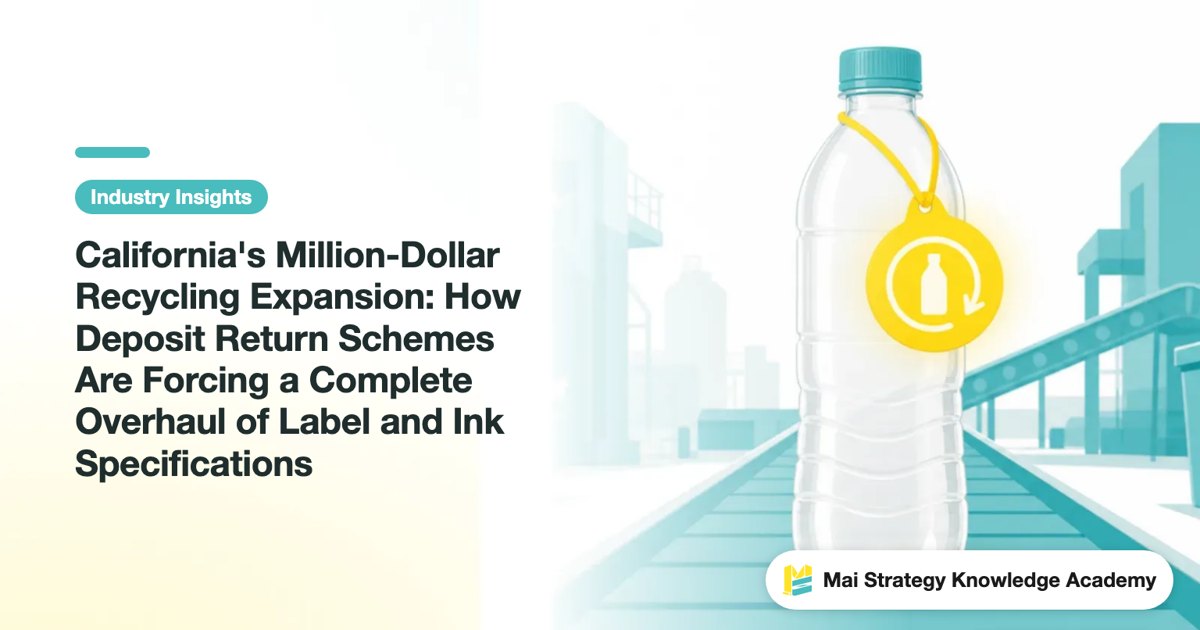
California's Million-Dollar Recycling Expansion: How Deposit Return Schemes Are Forcing a Complete Overhaul of Label and Ink Specifications
California's multi-million dollar expansion of its bottle deposit return network is more than a local environmental policy, it is a signal reshaping packaging production standards for exports. From the decline of shrink sleeves to the reassessment of ink formulations, this article breaks down the practical impact of this green wave on printers and designers from a production-line perspective
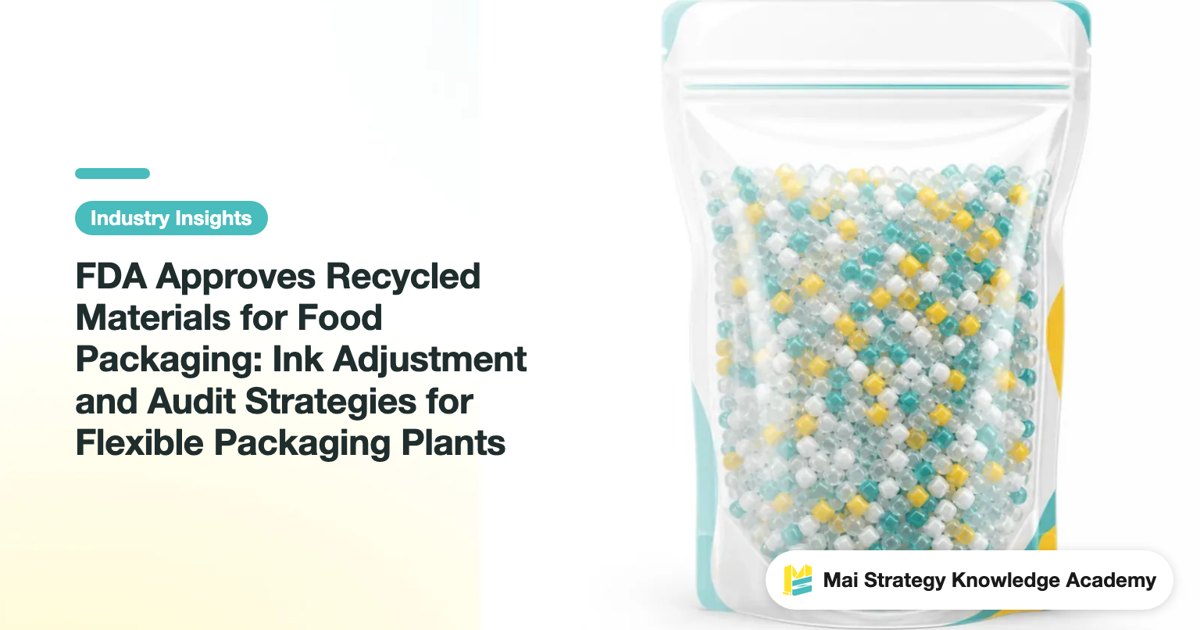
FDA Approves Recycled Materials for Food Packaging: Ink Adjustment and Audit Strategies for Flexible Packaging Plants
The US FDA has officially approved Coperion's mechanically recycled HDPE and PP for food-contact packaging. Now that this barrier is cleared, it is inevitable that international brands will accelerate their adoption of PCR materials. As the surface properties of packaging substrates change, printing plants' existing ink formulas and adhesion testing standards will bear the brunt of the impact. We must prepare in advance

How Should Eco-Friendly Coffee Cups Be Designed and Printed? A Full Breakdown of Materials and Processes
Thinking about switching to eco-friendly coffee cups but unsure how PLA, aqueous coatings, and molded fiber cups differ? This article explains materials, printing methods, and compostability standards from a production-floor perspective, so you can avoid rejected recycling streams and coating delamination before sending your cups to print

How Do You Make an Eco-Friendly Cutlery Pouch? Materials, Capacity, and Customization Explained
When you want a pouch that can hold a full reusable cutlery set and carry your brand, the two things that usually cause trouble are choosing the wrong material and miscalculating the size. This article starts from real production experience and breaks down the differences between canvas, cotton-linen blends, and recycled polyester, along with capacity planning and printing methods, so you know exactly how to specify your order before placing it
Bio-Based Plastics Do Not Equal Eco-Friendly: The EU PPWR Controversy and Supply Chain Compliance Dilemma
EU packaging regulations are shifting from passive recycling to mandatory design audits, putting the green credentials of bio-based materials under intense scrutiny. To cope with the double pressure from California and the EU, brands have upgraded their requirements for packaging suppliers from marketing slogans to hard data. This article breaks down the shifting procurement logic behind the new rules, helping you prepare your packaging specification checklist for the second half of the year in advance

EcoVadis Silver Certification: Your Ticket to Global Supply Chains for Printers and Equipment Makers
German equipment manufacturer Erhardt+Leimer recently earned an EcoVadis Silver rating, demonstrating how global giants vet their supply chains. Drawing on over a decade of industry experience, this article breaks down how small to mid-sized print shops can prepare for this essential credential during the 6-to-9-month audit
Decoding the FESPA Sustainability Whitepaper: How Print Shops Can Pass ESG Audits
As exhibition organizers conduct carbon audits and global brands raise their supplier qualification thresholds, this article extracts key takeaways from FESPA's latest sustainability whitepaper to turn vague eco-slogans into tangible use for winning contracts
Custom Eco-Friendly Cups | Understanding Waterproof and Compostable Specifications for Marketing Campaigns
F&B brands want to switch to eco-friendly cups for marketing, but often get stuck on waterproof coatings and tooling costs. This article breaks down the actual specifications of plastic-free paper cups and molded pulp cups, showing you how to replace outer packaging with direct printing. Balance your ESG commitments with brand visibility to make the container itself your best advertising medium
How the EcoVadis Silver Medal Affects the Printing Supply Chain
Asahi Photoproducts earned a Silver medal in its first EcoVadis assessment in April 2026. This is not just a piece of corporate PR. It is a signal: printing consumables suppliers are starting to be pulled into the ESG audit chain of international brands. If Taiwanese printers want to keep taking global orders, they now need to review more than their own carbon footprint. The ratings of suppliers for plates and inks may also become part of the qualification threshold
Sustainable Packaging 2025 Report Card: The Real Gap Between Pledges and Practice
FMCG giants Mars and Mondelēz have laid bare their progress toward their 2025 packaging targets, revealing that several goals remain unmet. Writing from an industry perspective, we explore where these multinational giants got stuck, why they hit a wall, and how Taiwanese OEMs and brand owners can prepare in advance

DS Smith 'Birth Tree' Gift Box: How Sustainable Packaging Becomes a Memorable Touchpoint
By turning the birth of a tree into a gift box, DS Smith demonstrates that sustainability doesn't have to be a cost item, but can instead become a memorable moment the second a consumer opens the box. This article deconstructs how it works and explores the key takeaways for Taiwan's small and medium-sized printing houses and brand clients
How to Write Eco-Friendly Tableware in English: Essential Terminology for Export Packaging and ESG Copy
When explaining your products to overseas clients, international e-commerce platforms, or brand partners, simply writing "eco-friendly tableware" is often too vague and can leave buyers confused. Drawing on years of experience helping Taiwanese manufacturers develop export packaging and ESG documentation, this article breaks down the most commonly used English terms for eco-friendly tableware so your copy is precise and persuasive
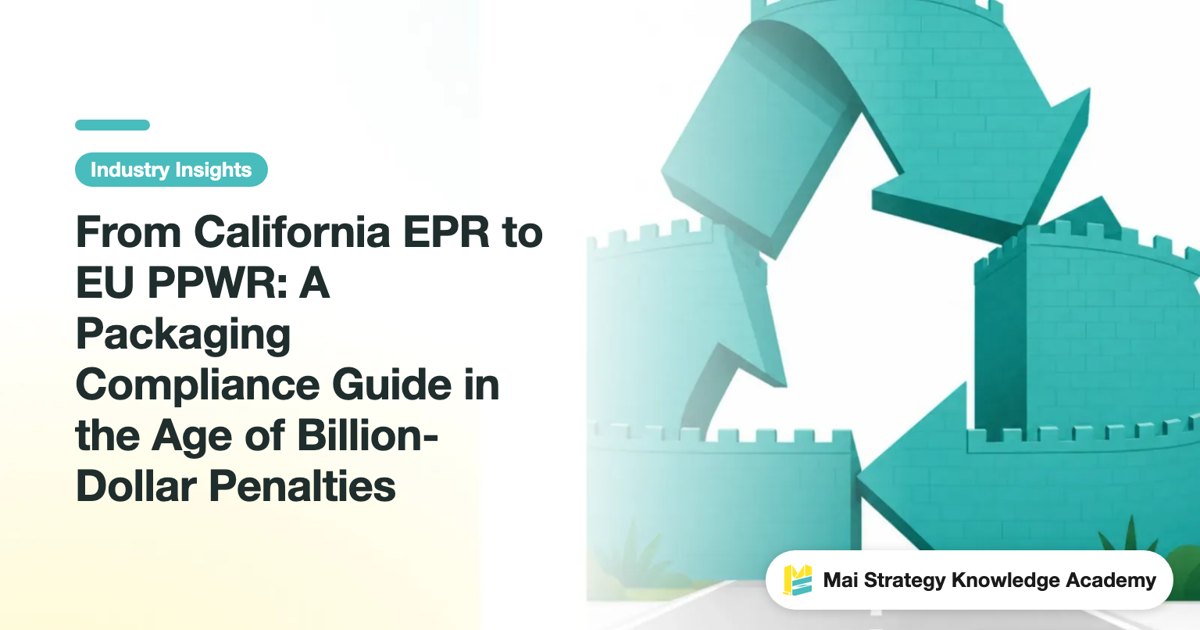
From California EPR to EU PPWR: A Packaging Compliance Guide in the Age of Billion-Dollar Penalties
Don't wait for customs to hold your shipment or a massive invoice to land before realizing regulations have changed California EPR and the EU's new packaging rules are turning environmental claims from marketing buzzwords into hard trade requirements This guide breaks down the budget logic behind the new rules and what they signal for your supply chain
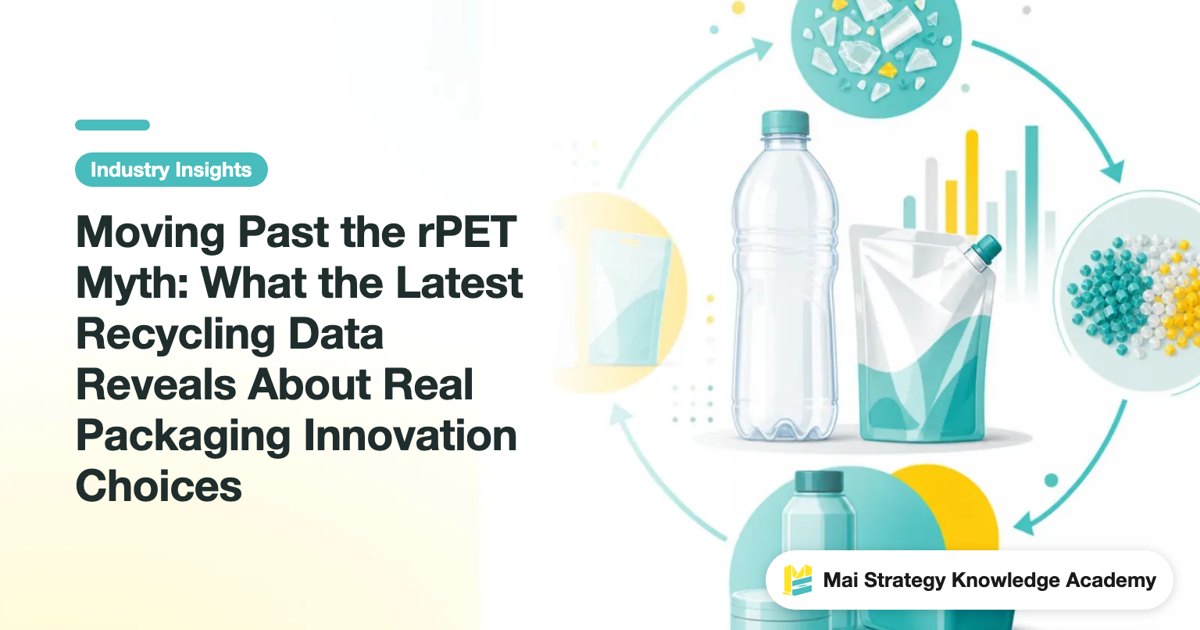
Moving Past the rPET Myth: What the Latest Recycling Data Reveals About Real Packaging Innovation Choices
Brands often assume that switching to rPET is enough to earn a sustainability pass, but the latest market data points to a very different reality This article unpacks the tension between PET recycling volumes and market demand, and shows how functional packaging materials can find a more practical path forward
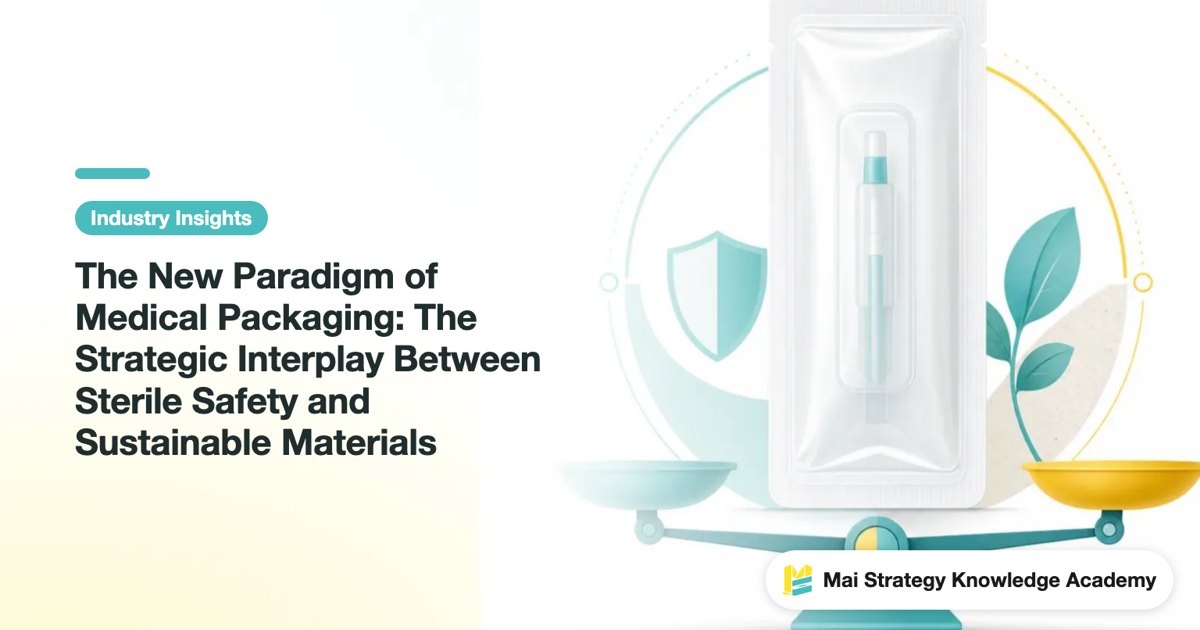
The New Paradigm of Medical Packaging: The Strategic Interplay Between Sterile Safety and Sustainable Materials
As medical devices move towards miniaturization and high precision, packaging is no longer just a container but a strategic link critical to sterilization success and supply chain resilience. This article explores how to find new profit drivers through simulation technology and material innovation amidst strict regulations and sustainable transformation