
Sustainability & ESG
FSC, eco paper, low-carbon print and ESG storytelling — make sustainability a brand asset
- Audience
- Brand Owners・Corporate Buyers・Designers・Marketers
- FSC
- Sustainable Paper
- Eco-Friendly Packaging
- Green Printing
- Carbon Footprint
- Carbon Reduction
- ESG
- Regulations & Certification
- Brand Communication

Two New Linde Trucks: What Is the Recycling Plant Upgrading?
UK recycler Recycling UK added two Linde fork/clamp trucks imported from Germany to its Papersort UK facility in Oswestry. Brands can spot an equipment investment signal here, but must still verify recycled material supply, quality, and lead times separately

Think a Slightly Bigger Box Doesn't Matter? 4 Hidden Costs Blowing Your Packaging Budget
Brands pushing for sustainability often assume switching to eco-friendly materials is enough, overlooking how sizing quietly eats away at profits. Drawing from the latest episode of PackPod, here is a breakdown from production and procurement angles to spot the over-packaging traps draining your margins
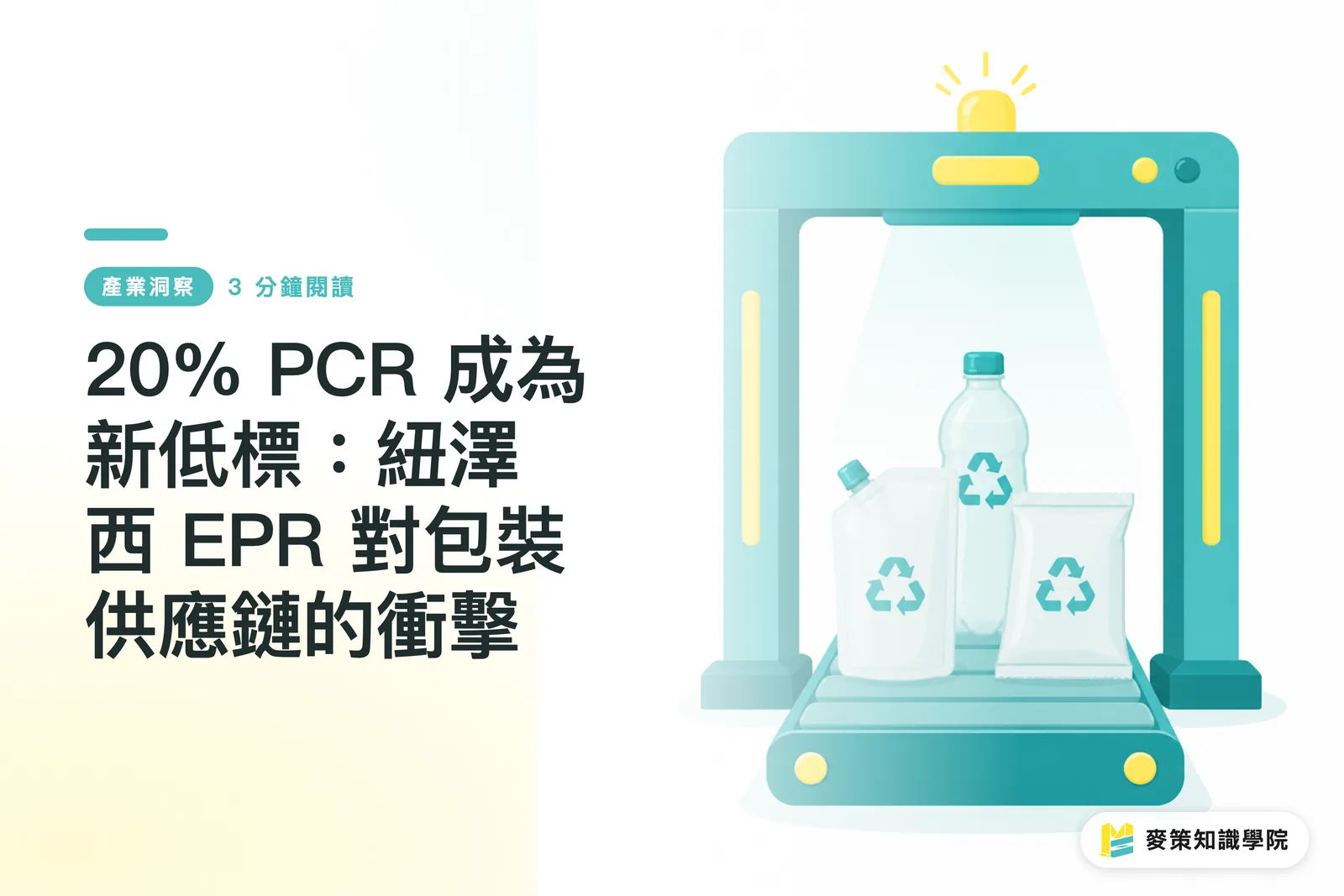
20% PCR is the New Baseline: How New Jersey EPR Hits the Packaging Supply Chain
With New Jersey's EPR regulations about to take effect, PureCycle and IPL Schoeller rolled out packaging with 20% post-consumer recycled (PCR) plastic to meet the challenge. Taiwanese export brands and print shops need to face this compliance pressure right now, locking in recycled feedstocks and digital traceability early

3 Keys to SIG and Mengniu's Carton Recycling Chain: A Sustainability Roadmap for Taiwanese Brands
Aseptic cartons have always been notoriously tough to recycle. Packaging giant SIG recently teamed up with China's Mengniu, tackling not just raw materials, but also cracking open downstream recycling infrastructure and consumer education. Here is a breakdown of how this cross-border supply chain works, and what long-term opportunities Taiwanese brands and print shops can take away from it

New EU PPWR Rules Take Effect: How Smarter Design Cuts Costs and Carbon
The EU Packaging and Packaging Waste Regulation (PPWR) is now in effect. This is no longer just an eco-initiative, it is a hard trade barrier. A seasoned consultant breaks down the new rules and shows you how optimized design and lightweighting deliver compliance, carbon cuts, and cost savings all at once

Why Aren't Eco-Friendly Coatings Durable Enough? The Answer from Waterborne Bio-Based UV Coatings
Brands switch to FSC-certified paper, but still use solvent-based UV varnishes for finishing. That gap in the coating quietly undermines sustainable packaging goals. New research on waterborne bio-based UV-curable coatings delivers both low VOC emissions and high mechanical strength, so post-press finishing is no longer the exception to sustainability commitments

Amid the Global Wave of Consolidation, What Three Paths Can Keep Taiwan's Small Print Shops Alive?
The latest Smithers report shows global print business counts dropped nearly 8% in five years. Instead of rehashing pessimism, this piece turns the signal into concrete decisions: three actionable transition paths for Taiwan's small and mid-sized print shops, their equipment and staffing barriers, and which one fits your shop's current situation best
China Imposes VOCs Environmental Tax: 3 Questions Taiwan Print Buyers Must Ask
Tax policy changes in Chinese factories will feed directly into ink pricing and vendor selection. Looking at environmental taxes, emission accounting, and ink alternatives, this guide helps brands and procurement teams adjust their RFQs and supplier evaluation logic over the coming year

The Plastics Treaty Reporting Framework Is Here: 3 Practical Moves for Small and Midsize Printers
A reporting framework for the UN Global Plastics Treaty proposed by US-China researchers puts the pressure of tracking plastic usage and material flow directly on small and midsize print shops. Here is a clear breakdown of the core framework, how it differs from PPWR and EPR, and three practical steps brands and printers can take right now

3 Keys to Packaging Decarbonization: How Ardagh Glass Won Green Orders with Heat Pumps
With the EU's PPWR tightening, relying on FSC certification and eco-friendly paper is no longer enough to win European export contracts. See how global packaging giant Ardagh Glass electrified plant thermal energy, and why this is the next survival battle for Taiwan's small and mid-sized print shops

A Wake-Up Call from India's Pan Masala Plastic Ban: How Export Manufacturers Can Avoid Emerging Market Packaging Traps
India has cracked down on plastic packaging for a single product category, signaling a shift toward targeted environmental enforcement across emerging markets. This does not just affect local players. Taiwanese export brands and print manufacturers that ignore this trend risk rejected shipments and canceled orders at customs

Can PE and PP Flexible Packaging Naturally Decompose? Breaking Down Polymateria's Degradation Tech and Compliance Strategy
Flexible packaging recycling has long been stuck in a dead end because multi-material laminates are nearly impossible to separate. Polymateria's new technology claims to achieve complete biodegradation for PE and PP, offering a fresh way out for frustrated brands. Here, we break down what this tech means for packaging design from the viewpoints of production lines and regulations

One Year After Amcor Acquired Berry: 3 Signals for Supply Chains and Taiwan's OEM Printers
The first report card following the global packaging mega-merger reveals real progress on scale, material standardization, and sustainability investments. For Taiwanese brands and small-to-midsize OEM printers, this isn't just distant news. It is a bellwether that will shape next year's pricing and order intake logic. Read on to see what the giants are consolidating, what opportunities Taiwan can capture, and which price-war red oceans to avoid

North America's Flexible Packaging Expansion: 3 Signals for Taiwanese Manufacturers
Balcan's new 50-foot extrusion line in Wisconsin reflects a broader shift: flexible packaging capacity is reshoring to North America. From a frontline consultant's perspective, this article breaks down what this line means, which product categories take the first hit, and how small to mid-sized Taiwanese converters can pivot

PepsiCo's Plastic Reduction Report: When Sustainability Goals Collide with EPR and Supply Chain Compliance
Global brands announced plastic reduction goals years ago, and national EPR policies are now putting them to the test. Looking at PepsiCo's latest report from the front lines: which commitments are falling short, how printers and packaging converters are impacted, and where Taiwanese brand clients need to prepare early. Here is a practical breakdown of this compliance race from an industry insider's perspective

Print Limits: 3 Myths Debunked
Print marketing is often dismissed as slow, rigid, and non-interactive, but those assumptions are years behind modern 2026 production floors. Drawing on common pre-press issues from my consulting work, I break down how to evaluate file formats, paper stock, VDP, AR, and sustainable materials

EU PPWR Takes Effect: 3 Compliance Deadlines Taiwan Packaging Exporters Must Know
The EU Packaging and Packaging Waste Regulation (PPWR) took full effect on August 12, 2026. This is not just a green initiative, it is a hard trade barrier backed by real money. Here is the breakdown of key timelines from PFAS bans to design audits, helping you adjust packaging specs for the second half of the year right away

EPR Pressure Mounts: 3 Steps for Taiwanese Manufacturers
Colorado's EPR law faces a lawsuit from NAW, while California soft plastics recycling pilots are also picking up steam. For export brands, packaging compliance has shifted from an ESG vision into a procurement requirement. This guide breaks down the three things you need to put in place before 2027 and 2028
6-Point Packaging Choke Point Backup Checklist
Export packaging risks are often reduced to ocean freight and shipping rates, but the real bottlenecks on the factory floor usually happen in raw materials. This checklist breaks down the choke points highlighted by Flexpack into practical action items for procurement, design, print production, and inventory

Three Project Models for Print to Preserve
Conservation fundraising takes more than slapping a charity logo onto a pretty print. Brands need to articulate why a piece is worth collecting, why it deserves donations, and why it should be remembered. Drawing on FESPA's fine art printing archival standards, this article outlines practical proposal frameworks brands can adopt

3 Packaging Procurement Signals from the Draft Global Plastics Treaty
With production-side accountability watered down in the draft Global Plastics Treaty, brands can no longer rely on recycling logos alone. I see this as an early shift in packaging procurement rules. Suppliers of flexible packaging, labels, and coated paper need their raw material documentation ready now

Key Container Brings in 4 Veterans as Advisers: What Is This North American Packaging Maker Betting On Next?
North American corrugated box maker Key Container has just formed a new advisory board, and all 4 members are serious names. For Taiwan's metal closures, sealing materials, and print coating supply chains, this list is a weather vane for North American buyers' sourcing preferences over the next few years. I break down the lineup and map out where Taiwanese brands and print suppliers can start preparing now

Three Commercialization Routes for Bio-Based Packaging
Rapeseed meal can become a biodegradable active packaging film, bringing bio-based materials back to food freshness, print converting, and labeling responsibility Brands should first see which route can pass mass production, compliance, and shelf tests, then decide whether sustainability belongs on the pack
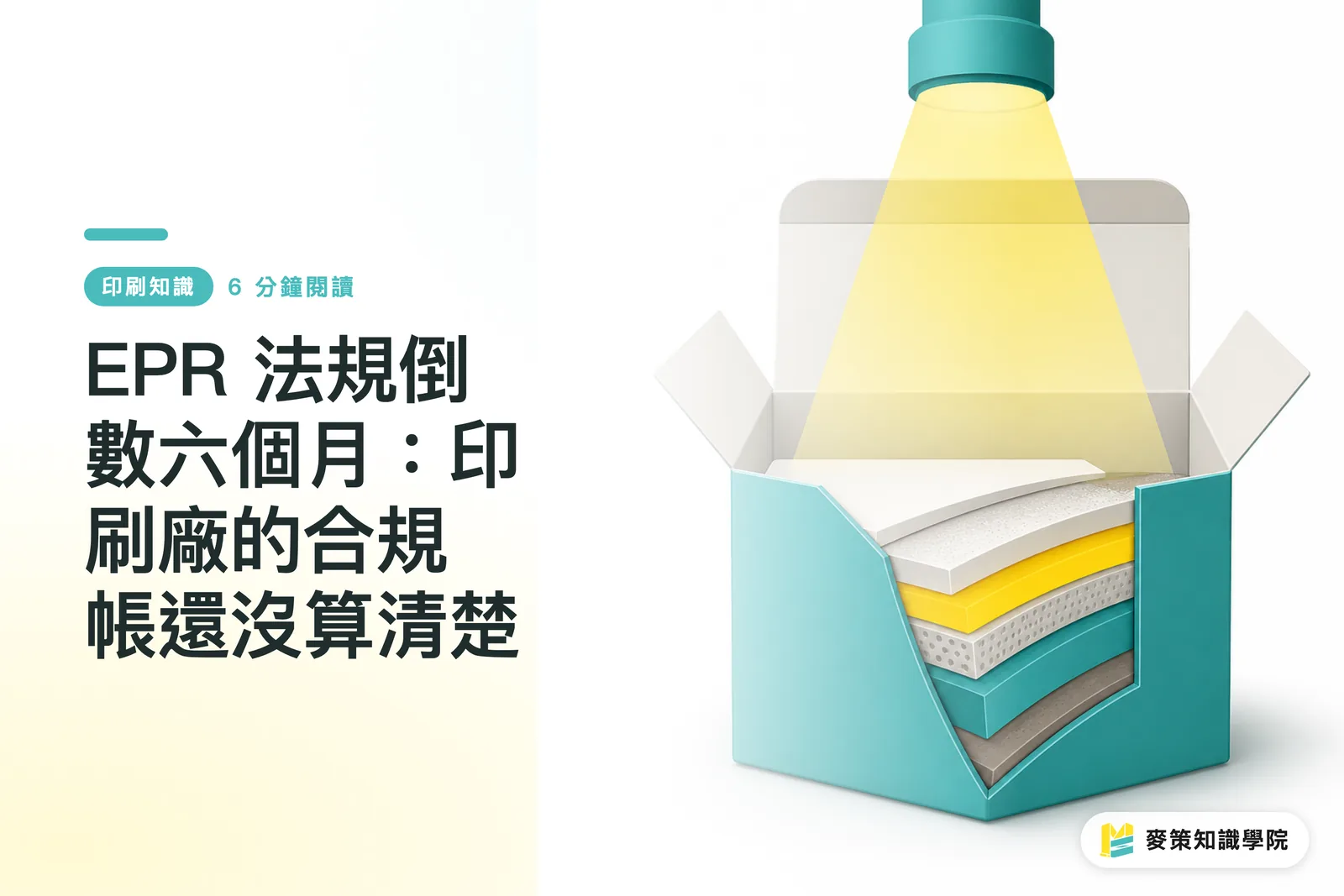
Six Months Until EPR Rules Take Effect: Printers Still Haven't Settled the Compliance Math
Commercial packaging EPR (Extended Producer Responsibility) rules in the UK and continental Europe have been pushed back from July 2026 to January 2027, but the countdown has not stopped. The real problem was never just how much the fees will be. It is that the line around "who places the packaging on the market, and which packaging materials belong to whose responsibility" is still not clear. If printers treat the delay like a holiday, the situation six months from now will not look good