
Sustainability & ESG
FSC, eco paper, low-carbon print and ESG storytelling — make sustainability a brand asset
- Audience
- Brand Owners・Corporate Buyers・Designers・Marketers
- FSC
- Sustainable Paper
- Eco-Friendly Packaging
- Green Printing
- Carbon Footprint
- Carbon Reduction
- ESG
- Regulations & Certification
- Brand Communication

Trade-offs in Eco-Friendly Post-Press Finishing
The hardest part of eco-friendly packaging isn't stripping away every finish, but knowing which layer of texture is worth keeping and which makes recycling a pain. From design proposals and production line communication to pre-press checks, this piece breaks down trade-offs across laminating, varnishing, foil stamping, embossing, glueing, window patching, and special coatings
The EPR and PRN Responsibility Map
Beyondly in the UK called for clarifying the roles of pEPR and Packaging Recovery Notes. While this seems like a UK regulatory detail, it directly impacts export brands' packaging trace records, recycling proof, and cost liabilities. Written from a print consultant's perspective, this article breaks down what brands and print service providers need to manage regarding EPR and PRN, helping Taiwanese SMEs identify key questions to ask before prototyping design projects

3 Things to Check Before Replacing Plastic with Fiber-Based Packaging
DS Smith applied fiber-based packaging to water filter transit packaging. A clear sign for SMBs: plastic reduction starts with protection design, not just changing the material name. Here are three checkpoints to help brands ask the right questions and packaging suppliers deliver the right solutions
How FSSC V7 Reshapes Responsibility for Food Packaging
FSSC 22000 V7 puts Food Loss and Waste into the packaging design and development requirements, pushing food packaging responsibility beyond "recyclable" to "can it keep the food safe until it's eaten." This piece comes from the printing and packaging floor, looking at how Taiwan brands, designers, and mid-size printers should rewrite briefs, adjust proofs, and rethink production sign-off
Understanding Suri Toothpaste Through Refillable Packaging
Suri turns toothpaste into a refillable product, paired with home-compostable, plant-based refills, moving personal care packaging from single-use disposal toward refill-based consumption For Taiwanese brands and printers, the real focus should be the primary container, refill pack, labeling copy, repurchase flow, and end-of-use handling. That is where circular packaging either works or falls apart

How to Write a Low-Carbon Packaging Brief
Low-carbon packaging cannot be handed to a printer with only the phrase "eco-friendly materials" and left for them to guess. The brief needs to spell out the product, logistics, shelf placement, and usage limits first. This article uses the five-part map from MINDS (MS) to turn low-carbon goals into fields for paper stock, ink, finishing, structure, recycling, and proofing, so procurement teams can receive quotes that are actually comparable
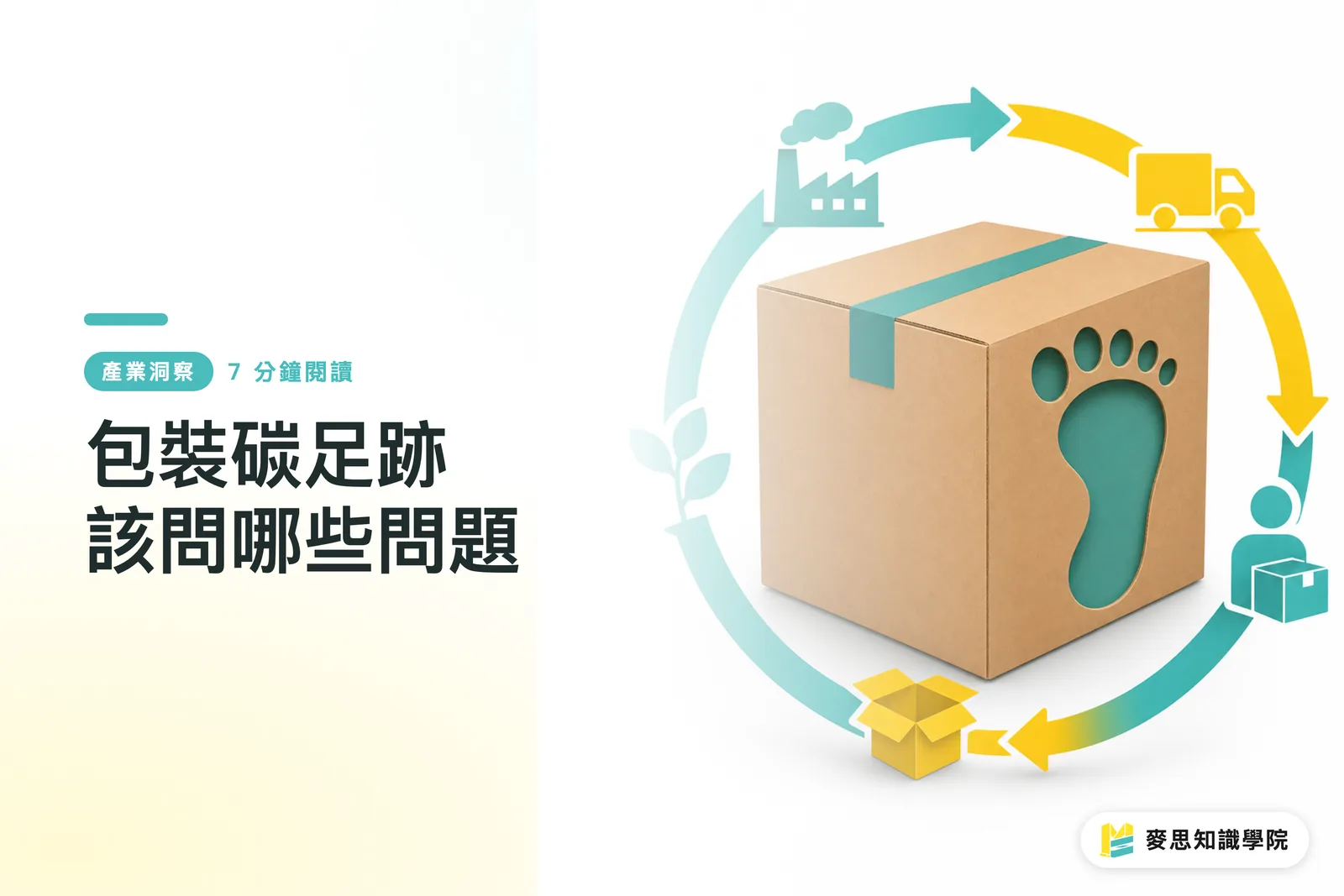
What Questions Should You Ask About Packaging Carbon Footprints
Packaging decarbonization is not just about asking "which paper should we switch to." You also need to ask how materials, manufacturing, print finishing, transportation, use, and recycling connect with one another This article turns the abstract idea of carbon footprint into a supplier question checklist that procurement teams can use directly in meetings

How to Design Reusable Packaging
The hard part of reusable packaging is not paperboard thickness, but whether consumers will keep using it after they receive it This article breaks down design decisions around unboxing, storage, stain resistance, refill packs, and return workflows, helping designers and print buyers turn good intentions into packaging that actually works

How to Calculate the Carbon Footprint of Printed Goods: A Practical 3-Tier Estimation and Reporting Guide for SMEs
With the rise of ESG, brands are asking for carbon emission data on printed items. Drawing from over a decade of production line experience, this article breaks down carbon footprint boundaries and weights, offering a 3-tier estimation model you can implement without running a full LCA to help you make real carbon reduction decisions

Worried Switching to Eco-Friendly Packaging Will Hurt Quality? A Senior Consultant’s 3 Transition Strategies
Corporate ESG initiatives often stall when switching packaging to recycled paper cheapens brand visuals. Written from a practical production perspective, this article breaks down alternative ink, finishing, and layout solutions. We help you navigate the paper transition smoothly without adding extra plastic burdens
Printed with a Recycle Symbol but Headed for the Incinerator? A Senior Consultant Decodes Packaging Finishing Recycling Pitfalls
Green packaging is more than just printing a logo. The wrong choice of post-press finishing can easily render your hard work obsolete. Drawing from production floor realities, this article breaks down the recycling blind spots of common finishes, helping designers balance aesthetics with circular logic right from the pitch stage

A Brand's Guide to Adopting Soy Ink: Practical Impacts on Color Vibrancy, Drying Time, and Packaging Costs
To meet ESG targets, companies often insist on 'using soy ink.' However, the resulting color shifts, delivery delays, and budget overruns are the real tests for procurement teams and designers. Drawing on my years of printing consultation experience, this article breaks down the practical details of transitioning to soy ink, helping you showcase your sustainability achievements beautifully and compliantly

How to Implement Sustainable Brand Printing? Carbon Reduction in Action from Coffee Sleeves to Cosmetics Boxes
Corporate carbon reduction has shifted from a mere slogan to a hard target on production lines, and plastic reduction in packaging is the primary battlefield for brands. This article breaks down three real-world printing cases to show you how to balance budget, visuals, and environmental commitments

Do Consumers Still Buy Eco-Friendly? Insights from UK Packaging Procurement
Inflation has driven up raw material costs, pushing brands to cut packaging budgets. The latest data shows green packaging has shifted from a marketing bonus to a key requirement for holding market share

ESG Report Printing Blueprint: Navigating Specs and Pitfalls from Digital Files to Physical Books
Printing corporate annual reports and ESG reports often turns into a nightmare for designers and buyers, with budget bottlenecks and binding mishaps occurring all too often. This guide breaks down spec decisions from a practical workflow standpoint, helping you steer clear of print pitfalls and get your printed reports produced smoothly and on schedule
Global Packaging Regulations Closing In: Your EPR and PPWR Risk Checklist
The EU PPWR has ramped up sustainability documentation requirements, and several US states' EPR laws have triggered constitutional lawsuits. With eco-compliance shifting from a feel-good slogan to a hard trade barrier that reshapes the entire packaging supply chain, how can printers and export brands get ahead of the curve?

The Ultimate Challenge of Paper Packaging: From Coca-Cola to Plastic-Free Cosmetics, How Do Brands Balance Visuals and Sustainability?
Global giants leading the charge to eliminate plastic packaging is no longer just a conceptual showcase, but a real-world production line iteration. This article breaks down the paperization success stories of Coca-Cola and cosmetics brands, taking you straight into the structural design and material selection logic behind them

Wide-Format Printing is No Longer Just About Size: The New Battleground of Color Gamut, Substrates, and Sustainability
The competitive landscape of wide-format printing is shifting. Clients no longer demand just larger prints; they want color-accurate and eco-friendly printing on specialty materials. This article breaks down recent market signals from equipment and material sectors to help small and medium-sized print shops find their next growth lever

How to Write Sustainable Claims for Food Packaging with 75% Recycled Content
Mondelēz brought chocolate packaging with 75% chemically recycled content to the spotlight, pushing sustainability claims for food packaging into a war of documentation. From a print consultant's perspective, this piece breaks down materials, food contact safety, mass balance, and layout copy so brands, designers, and print vendors know what can be claimed and what needs proof first

Paper Packaging: Ask the Factory Floor First
From Coca-Cola China's World Cup paper packaging to Yangi's dry-formed fiber plates for festive events, paper fiber packaging has hit store shelves, food service, and mass production. This article breaks down paper-based design into four decision points: structure, barrier, printing, and recycling, offering a practical checklist for Taiwan's small and medium printing shops, designers, and brand buyers

How to Write Eco-Packaging Copy Without Greenwashing: A Print Veteran's Field Guide
Claims like 'eco-friendly' or '100% sustainable' look great on packaging, but regulators worldwide are cracking down on vague environmental claims. If you cannot back it up, it is greenwashing. Drawing from real-world print production and proofing, this guide breaks down packaging copy into three layers: verifiable claims, user instructions, and brand tone. It also shows designers which layout zones to reserve so your packaging communicates clearly without running into compliance traps

Recyclable? First Ask If the MRF Can Actually Handle It
Metal containers are often seen as recycling-friendly, but once they hit the MRF and shredding line, structure, residues, labels, and coatings all become processing costs. This piece starts from the automated recycling equipment spotted at Aluminium China 2026, then turns the specs designers need to add into a pre-press checklist

2026 Bio-Based Packaging New Materials: Six Threads to Help You Decide Whether to Switch
From TotalEnergies' plant-based PS and Corbion's PLA to pumpkin-peel freshness film and Curaçao's tourism plastic ban, this piece lays out six material and structural news items side by side. It gives you a working replacement decision tree that tells you when to switch and when to wait

Curaçao's Tourism Packaging Reset: Three Barriers to Island Recycling Design
A plastic recycling project on a small Caribbean island exposes the three most practical barriers behind "design for recyclability." For Taiwanese export brands and small to midsize printing plants, it is worth reexamining material-selection logic more than any European or U.S. certification