
Sustainability & ESG
FSC, eco paper, low-carbon print and ESG storytelling — make sustainability a brand asset
- Audience
- Brand Owners・Corporate Buyers・Designers・Marketers
- FSC
- Sustainable Paper
- Eco-Friendly Packaging
- Green Printing
- Carbon Footprint
- Carbon Reduction
- ESG
- Regulations & Certification
- Brand Communication

Dessert packaging goes resealable to actually cut plastic
If you want to cut plastic on dessert packaging, film thickness is only the first thing you see. Whether the pack stays usable after opening is what decides how much actually gets thrown away. The Packaging Insights dessert case is a useful reminder: resealable closures, single-resin PP or PE, and clear shelf identification put freshness and recyclability back on the same proof sheet. For Taiwanese bakery and frozen-dessert brands planning a refresh, here's a working method that goes from structure and material all the way to press-check
Oregon Packaging EPR Turns One: Fees, Recycling, and What Taiwanese Suppliers Need to Know Before Taking Orders
Oregon EPR has completed its first year, and the first full annual report in the United States is out. Recycling rates, reimbursement rates, and registered producer counts are now on the table. This article translates the numbers into the compliance details that printers and brand owners actually need to understand, and connects them with the EU PPWR and the UK folding carton timeline, showing which missing pieces Taiwanese SMEs should fill in now

Three Checkpoints Before the UK's Carton Overhaul Hits
If you read the UK's folding carton news as just a recycling reform, you'll miss where production lines will actually snag: GS1 Sunrise 2027, 2D barcodes, variable data and MIS. This piece translates the two milestones — 10 July 2026 and Q4 2027 — into three checkpoints that small and mid-sized converters and brand clients should clear first, in language a print shop can actually run with
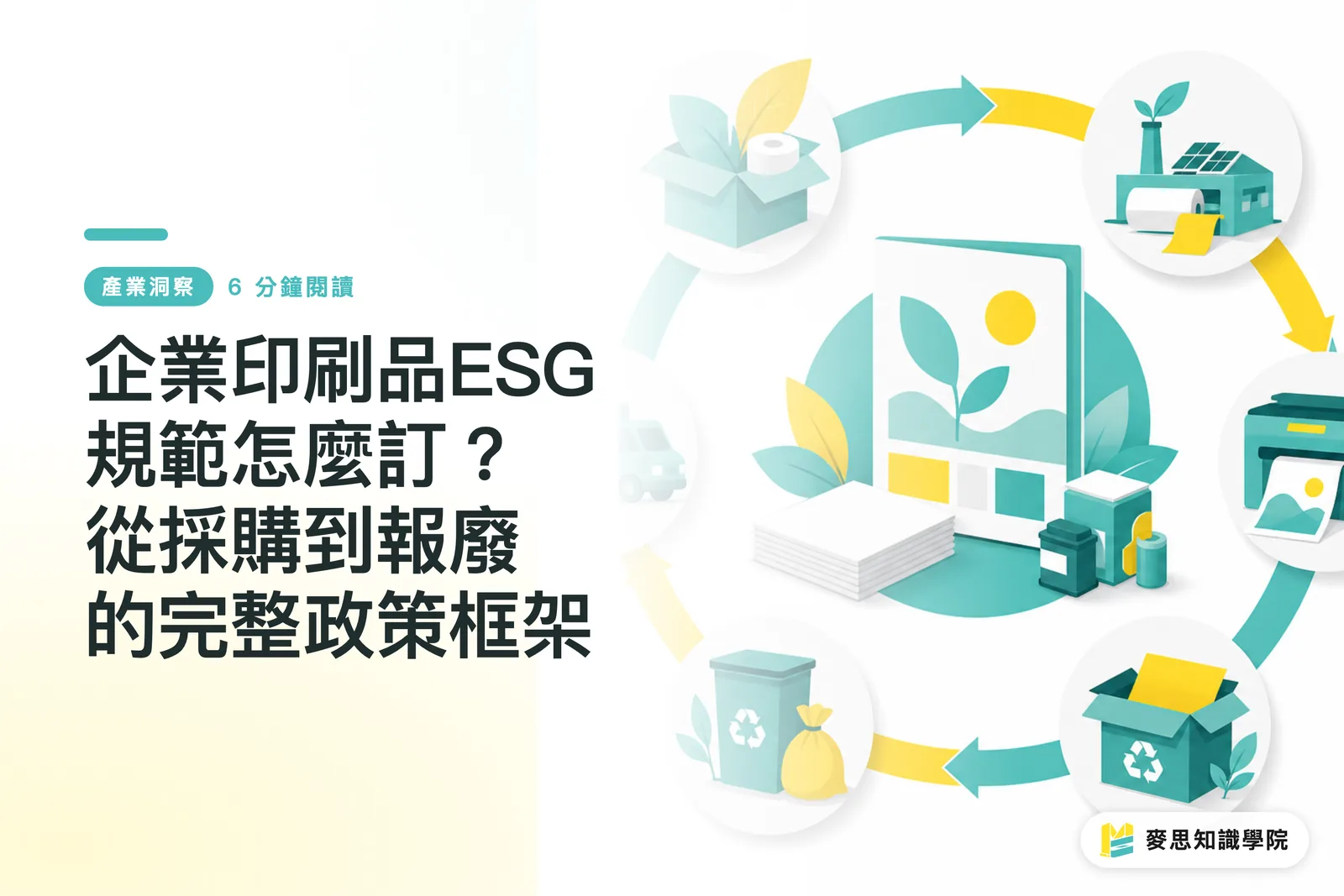
How to Set Corporate Print ESG Guidelines: A Complete Policy Framework from Procurement to Disposal
Many corporate sustainability commitments stop at swapping materials and adding labels, without any real change in ESG scores. This article provides an actionable policy framework integrating paper selection, minimum print runs, vendor audits, and waste disposal into unified rules. It turns print procurement ESG from case-by-case decisions into standard routines, perfect for Taiwan SMEs with notable annual print volumes

De-plasticizing Bottle Caps: The Real Hurdle Is the Closure
Sensoplast acquired Forewood, moving fiber-based closures from material news to practical packaging engineering. For small and medium print shops and brand clients in Taiwan, this issue hinges on sealing, moisture resistance, torque, filling line speed, and recyclability claims, not just whether the cap looks like paper

How to Choose Eco-Friendly Finishing? A Full Comparison of Six Processes for Recyclability and Feel
Gloss laminate makes packaging pop; hot foil stamping shoots brand perception through the roof. But what lands at the recycling plant may end up incinerated, the whole batch. Drawing on years of hands-on production experience, MINDS breaks down the durability, recyclability, and cost trade-offs of six common finishing processes, so designers and buyers can make evidence-based decisions before sending files to print, instead of guessing by gut feel

Invisible Labels, Visible Recycling
Packaging recycling used to rely on material, color, and human judgment. Now the label itself may carry a material history into the sorting line Looking at the invisible UV tag for IML from Polytag and MCC Global, printers and designers need to start treating "readable by recycling equipment" as part of artwork specifications

Are Canvas Tote Bags Really an Eco-Friendly Solution?
Canvas tote bags can absolutely become a more sustainable packaging choice, but only when they get reused, the material spec is right, and the print area stays restrained. The point we bring up most often at Mais with our commercial print clients is this: sustainability isn't decided by how much a bag looks like an eco-bag. This piece breaks down cotton, linen, recycled canvas, common print methods, and file prep the way you'd actually encounter them at the sourcing desk, so brands know how to write the spec and sidestep cost and yield issues before they hit Send on the PO

How to Write an RFQ for Sustainable Packaging: Must-Have Fields That Keep Quotes Accurate
An RFQ description like "eco-friendly materials, the greener the better" is almost the same as handing a printer a blank sheet. Written from a buyer's perspective, this article breaks down what a sustainable packaging RFQ really needs to include, how to ask about paper certifications and finishing limits, and how to get the question right the first time instead of losing time to three rounds of back-and-forth confirmation

Circular Packaging Can't Outsource Its Costs
Africa's plastic crisis is a reminder to brands: stamping "recyclable" on a package doesn't mean the ESG risk is over. This piece looks at the issue from the floor of printing and packaging procurement, discussing how brands, designers, and print suppliers should verify where materials actually end up, rather than just reading the label
EPR Fees Are Rising: Time to Recalculate Your Packaging
As EPR fees go up, the pressure on brand packaging is shifting from 'claiming to be eco-friendly' to 'how much waste is actually reduced and which recycling system it can enter.' Drawing from flexible packaging, UK brand waste reduction trials, and practical printing experience in Taiwan, this article offers brands, designers, and print procurement teams an actionable framework

Is Zero-Carbon Printing Real? A Senior Consultant Explains the Difference Between Carbon Neutrality and Reduced-Carbon Packaging
Brand clients are all demanding zero-carbon solutions, but can printing a piece of paper truly be carbon-free? Drawing from first-hand production line experience, this article breaks down the practical realities of carbon reduction versus carbon neutrality, helping you avoid supply chain greenwashing traps and make effective sustainable packaging decisions
Print Supplier ESG Checklist: Paper, Ink, and Waste
A quick list of verifiable sustainability metrics for procurement teams to cut through empty slogans and vet print and packaging partners with confidence

Cutting Packaging Carbon at the Source: A Print Consultant's 5 Green Rules
Carbon emissions don't start when the printing press fires up. Most of them are locked in the moment you choose materials, structure, and ink. Drawing on over a decade on the factory floor and working with clients, this guide helps designers and procurement teams curb carbon footprints right at the spec stage, saving costs that no downstream fix can recover
How to Design Packaging for Easier Recycling: A Materials and Finishing Pitfall Checklist for Designers
A recycling mark is only the entry ticket. Whether a paper box can actually enter the circular system depends on the full design of its structure, materials, and finishing. This article turns years of production-line and client-side recycling traps into a prepress checklist designers can use directly, helping you balance visual appeal with recycling convenience

Say No to Plastic Lamination! Water-Based Coatings and Eco-Friendly Finishing for Waterproof, Stain-Resistant Packaging
For paper packaging to be truly eco-friendly, the protective plastic film is usually where things get stuck. This article breaks down the protection and processing limits of water-based coatings and eco-friendly coatings, helping you find the sweet spot between texture and 100% paper recyclability

EU PPWR Countdown: Troubleshooting & Material Substitution Guide for Export Paper Packaging
New EU packaging rules are turning sustainability from a slogan into a hard trade barrier, directly hitting export order revenue. Here is how to unpack design-for-recyclability rules, avoid material pitfalls, and embed compliance specs into your packaging orders for the second half of the year

How to Print Food Packaging Boxes Safely? A Practical Guide to Oil-Resistant Materials and Food Safety Regulations
Many clients want shiny, eye-catching bento boxes, only to find out after proofing that they can't pass food safety inspections. This article breaks down everything you need to know about direct-contact food packaging and eco-friendly oil-resistant paper, so you don't end up paying for a reprint

How to Write Sustainable Packaging Copy Without Getting Burned: A Practical Anti-Greenwashing Guide
"Earth-friendly" sounds great on a label, but on a package it can land you straight on the wrong side of advertising law. Here's what you can safely say, and what you need to back up, drawn from a decade-plus on the production line and at the artboard

How Do You Build Lower-Carbon Packaging? A Senior Consultant's Guide to Zero-Waste Structures and Materials
Clients are all asking for lower-carbon packaging, but cutting material at random often sends logistics return rates through the roof This article breaks down the replacement logic for thickness, structure, and finishing from a production-floor perspective It helps designers and procurement teams get the most carbon reduction for the least cost at the specification stage

Why Was Packaging with a Recycling Symbol Still Rejected? A Practical Guide to Mono-material Packaging
Green packaging does not pass just because a mark is printed on it. Using the wrong composite materials can send all that work straight to the incinerator Starting from production-line practice, this guide breaks down the structural traps that get packaging rejected by recycling facilities and shows how mono-materials and paper structures create a real circular path

Recycled Paper Printing Gone Wrong? Practical Final Artwork Fixes for Color Shift and Dot Gain
The ESG wave has made recycled paper a popular packaging choice, but designs that look stunning on screen often print as a muddy blur This article takes a frontline industry view and breaks down the physical limits behind ink absorption and dot gain on recycled paper, showing how to handle everything from prepress contrast to total ink coverage so your sustainability story still looks polished and premium

Is Recycled Paper Always the Greener Choice? A Senior Consultant's Guide to Sustainable Packaging Materials
A lot of brands think switching to recycled paper means they've done their ESG duty. Drawing on over a decade of production-line experience, this article breaks down the real differences between recycled paper and FSC virgin paper, so you can sidestep the costly, bleed-prone eco pitfalls
Recycled, Stone, or Non-Wood Pulp Paper? A Printing Consultant's Guide to Avoiding Sustainable Paper Pitfalls
In recent years, eight out of ten clients ask about sustainable packaging, but eco-friendly paper is not something you can just print on by simply changing its name. Drawing on over a decade of hands-on production line experience, I will break down the true characteristics of recycled, stone, and non-wood pulp paper, from color performance to recycling systems, to help you choose green solutions that can actually be mass-produced